
Sapodilla Seeds
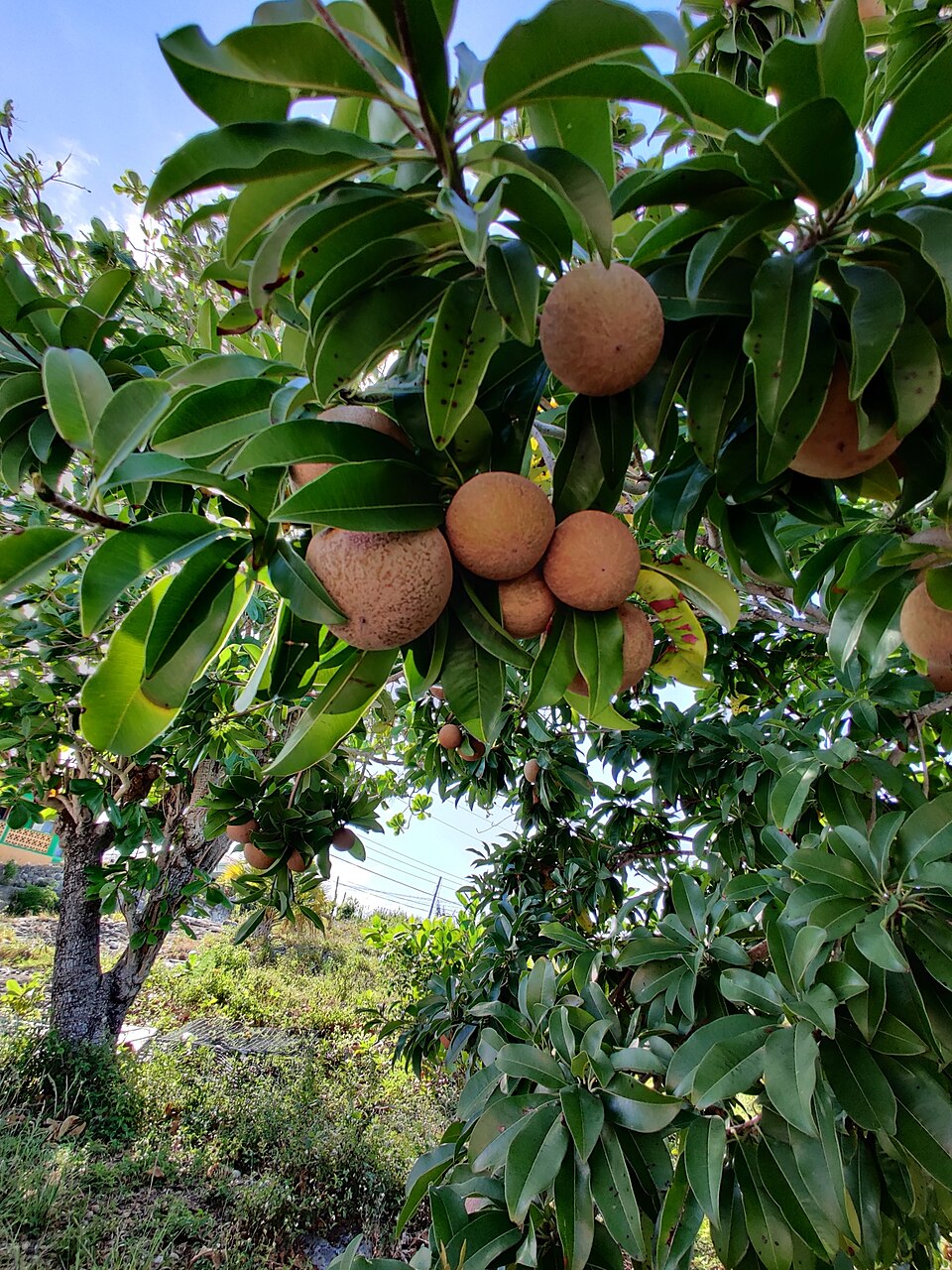

Sapodilla is a tropical evergreen fruit tree prized for its exceptionally sweet brown fruits and rich historical significance. Native to southern Mexico, Central America, and the Caribbean, Sapodilla produces fruits with a unique flavor often compared to brown sugar, caramel, pear, honey, and maple syrup. Few fruits possess such a naturally dessert-like taste.
The attractive evergreen tree features glossy foliage, drought tolerance, and remarkable longevity. Mature specimens can produce abundant crops for decades, making Sapodilla one of the most rewarding tropical fruit trees for warm climates and collectors of unusual edible plants.
Plant Characteristics- Botanical Name: Manilkara zapota
- Common Names: Sapodilla, Sapota, Chicozapote, Nispero
- Plant Type: Evergreen tropical fruit tree
- USDA Zones: 10-11
- Height: 30-60 feet
- Spread: 20-40 feet
- Sun Requirements: Full sun
- Flower Color: Small creamy white to pale yellow
- Bloom Time: Various times throughout the year
- Fruit Color: Brown, russet-brown, or sandy tan
Sapodilla fruits are round to oval and contain soft, sweet flesh with a smooth texture. When fully ripe, the flesh develops a rich caramel-like flavor that has earned the fruit a devoted following among tropical fruit enthusiasts.
Popular uses include:
- Fresh eating
- Fruit salads
- Smoothies and milkshakes
- Ice cream flavoring
- Desserts
- Jams and preserves
- Baked goods
- Tropical beverages
Fully ripe fruit is considered one of the sweetest naturally occurring fruits in the tropics.
Important NoteUnripe Sapodilla fruits contain significant amounts of latex and tannins, making them astringent and unpleasant to eat. Fruits should be allowed to soften naturally before consumption. Once ripe, the flesh becomes sweet, smooth, and highly enjoyable.
Germination Instructions- Use fresh seed whenever possible.
- Clean seeds thoroughly after removing them from ripe fruit.
- Plant seeds approximately 1 inch deep in a well-drained seed-starting mix.
- Maintain temperatures between 75-90°F.
- Keep soil consistently moist but not waterlogged.
- Provide bright light during germination.
- Germination generally occurs within 2-8 weeks.
- Transplant seedlings carefully once established.
Fresh seed germinates far more reliably than older stored seed.
Growing InformationSapodilla thrives in warm tropical and subtropical climates. It prefers full sun and well-drained soil but adapts surprisingly well to a range of growing conditions. Once established, the tree exhibits excellent drought tolerance and can withstand periods of dry weather.
Trees are slow to moderate in growth but extremely long-lived. Mature specimens can continue producing fruit for many decades.
The dense evergreen canopy makes Sapodilla both a productive fruit tree and an attractive landscape specimen.
Container GrowingYoung Sapodilla trees can be successfully grown in large containers.
- Use deep containers with excellent drainage.
- Provide full sun exposure.
- Use a rich, well-drained potting mix.
- Protect from frost.
- Prune periodically to control size.
- Repot as needed during growth.
Container growing allows gardeners in cooler climates to enjoy this tropical species in sunrooms, greenhouses, and protected patios.
Pollinator ValueThe small flowers attract bees and other pollinating insects. Flowering may occur multiple times throughout the year in suitable climates, providing a recurring nectar source.
Wildlife ValueBirds, mammals, and other wildlife are attracted to fallen ripe fruits. The dense evergreen canopy also provides shelter and nesting habitat for numerous species.
Historical and Cultural SignificanceSapodilla played an important role in the history of chewing gum. The tree produces a natural latex known as chicle, which was harvested for centuries and eventually became the original base ingredient used in commercial chewing gum.
The ancient Maya highly valued Sapodilla for both its fruit and its latex. Large Sapodilla trees were often protected and cultivated near settlements throughout Mesoamerica.
Before synthetic gum bases were developed, vast quantities of chicle were harvested from Sapodilla forests and exported worldwide.
Interesting Botanical Facts- Sapodilla trees can remain productive for over 100 years.
- The tree is the original source of natural chicle used in chewing gum.
- The wood is extremely hard and durable.
- Fruits contain naturally high sugar levels and a unique caramel flavor.
- The species belongs to the same family as Star Apple and Canistel.
Few fruits surprise first-time tasters as much as Sapodilla. Visitors expecting a typical tropical fruit often find themselves tasting flavors reminiscent of brown sugar, caramel, maple syrup, and pear all at once. Even more remarkable is the tree's connection to chewing gum history. Long before modern gum was invented, the Maya harvested Sapodilla's milky latex, known as chicle, which eventually became the foundation of the chewing gum industry. For gardeners seeking a fruit tree with both exceptional flavor and fascinating history, Sapodilla is hard to surpass.
For over a thousand more unique seed varieties, all in stock and ready to ship, visit our Seed Catalog Index Page .

Contact Us | Privacy Policy | About Us
| Returns
Serving gardeners since 1992
State of Mississippi Seedmen's Permit #C-391, Ohio 90152, Minnesota 20086777