
Schubert Chokeberry Seeds
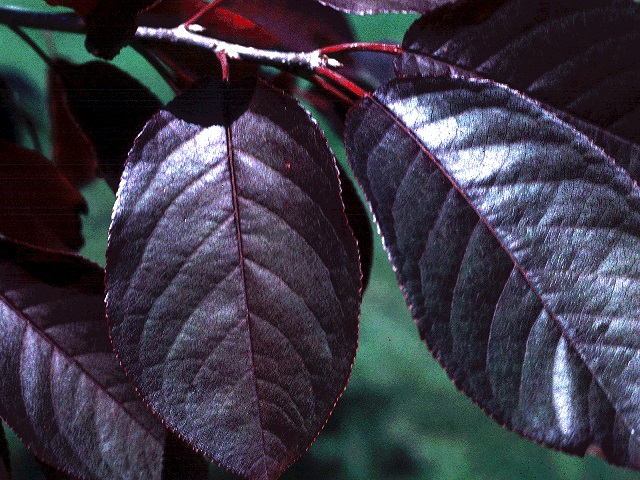
Schubert Chokecherry is a beautiful ornamental selection of the native Chokecherry, prized for its dramatic purple foliage, fragrant white spring flowers, edible fruits, and outstanding wildlife value. Unlike ordinary chokecherries, which retain green leaves throughout the season, Schubert develops striking burgundy-purple foliage after spring, creating a colorful landscape display that lasts for months.
Native chokecherries have long been valued throughout North America for food, wildlife habitat, and ornamental beauty. The Schubert variety enhances these qualities by adding rich ornamental foliage while retaining the hardiness and adaptability that make chokecherries so dependable.
Plant Characteristics- Botanical Name: Prunus virginiana 'Schubert'
- Common Names: Schubert Chokecherry, Canada Red Chokecherry, Purpleleaf Chokecherry
- Plant Type: Deciduous flowering fruit tree
- USDA Zones: 2-7
- Height: 20-30 feet
- Spread: 15-25 feet
- Sun Requirements: Full sun
- Flower Color: White
- Bloom Time: Spring
- Fruit Color: Dark purple to black
- Foliage: Green in spring, maturing to burgundy-purple
The fruits grow in hanging clusters and ripen from red to deep purple-black. While somewhat astringent when eaten fresh, they have long been prized for processing and traditional recipes.
- Jellies and jams
- Syrups
- Fruit wines
- Traditional preserves
- Wildlife food plantings
- Native food gardens
- Historic recipes
- Homestead orchards
The fruits become sweeter after full ripening and are particularly valued for preserves and specialty products.
Important NoteSchubert Chokecherry is often planted as much for its foliage as its fruit. New leaves emerge green but gradually develop rich reddish-purple coloration that provides season-long landscape interest.
Germination Instructions- Remove pits from ripe fruits.
- Clean thoroughly and allow to dry briefly.
- Cold stratify for 90-120 days at 34-40°F.
- Sow approximately 1 inch deep in a well-drained medium.
- Maintain even moisture.
- Provide temperatures of 65-75°F after stratification.
- Germination typically occurs during spring warming.
- Transplant seedlings when established.
Schubert Chokecherry grows best in full sun and adapts to a wide variety of soils and climate conditions. It tolerates cold winters, wind, drought, and urban conditions better than many ornamental trees.
The tree develops a rounded crown and attractive branching structure. Once established, it requires relatively little maintenance and remains dependable for many years.
Full sun encourages the richest purple foliage coloration.
Container GrowingYoung trees can be grown in large containers, but landscape planting is recommended for long-term growth.
- Use deep containers with excellent drainage.
- Provide full sun.
- Water regularly during establishment.
- Prune lightly if needed.
- Transplant before roots become restricted.
Permanent landscape planting allows the tree to reach its full ornamental potential.
Pollinator ValueThe fragrant white flower clusters attract honeybees, native bees, butterflies, and many other beneficial insects. Blooming trees often become major pollinator resources during spring.
Wildlife ValueFew ornamental trees provide as much wildlife value. Birds eagerly consume the fruits, while the dense canopy offers nesting sites and seasonal shelter. The flowers support pollinators, and the fruits feed numerous wildlife species.
Wildlife managers frequently include chokecherries in habitat improvement projects.
Historical and Cultural SignificanceChokecherries were among the most important native fruits used by Indigenous peoples across North America. The fruits were often dried, preserved, or incorporated into pemmican and other traditional foods.
The Schubert variety was selected for its outstanding ornamental characteristics while retaining the rugged hardiness of the native species.
Today it is widely planted in parks, landscapes, and wildlife gardens throughout northern regions.
Interesting Botanical Facts- The species name virginiana refers to Virginia, where the species was first documented by European botanists.
- Young leaves emerge green before turning burgundy-purple.
- The fruits grow in attractive hanging clusters.
- Chokecherries belong to the same genus as cherries, plums, peaches, and apricots.
- The tree is exceptionally cold hardy.
Schubert Chokecherry offers something many fruiting trees cannot—a true four-season display. Spring brings fragrant white flowers, summer develops rich burgundy foliage, late summer produces clusters of dark fruits, and autumn often adds brilliant red and orange color. Add in exceptional cold hardiness and tremendous wildlife value, and it becomes easy to understand why this tree remains a favorite for northern landscapes. For gardeners seeking a plant that combines ornamental beauty with edible and ecological benefits, Schubert Chokecherry is difficult to surpass.
One of the most remarkable features of this tree is its foliage transformation. Visitors often assume they are looking at an ornamental purple-leaf tree, only to discover later that it also produces edible fruits and supports wildlife. Few landscape plants deliver so many benefits from a single planting.
For additional growing details, see our Schubert Chokeberry Seeds AI fact sheet.
For over a thousand more unique seed varieties, all in stock and ready to ship, visit our Seed Catalog Index Page .

Contact Us | Privacy Policy | About Us
Serving gardeners since 1992
State of Mississippi Seedmen's Permit #C-391, Ohio 90152, Minnesota 20086777