
Siberian Crabapple Seeds
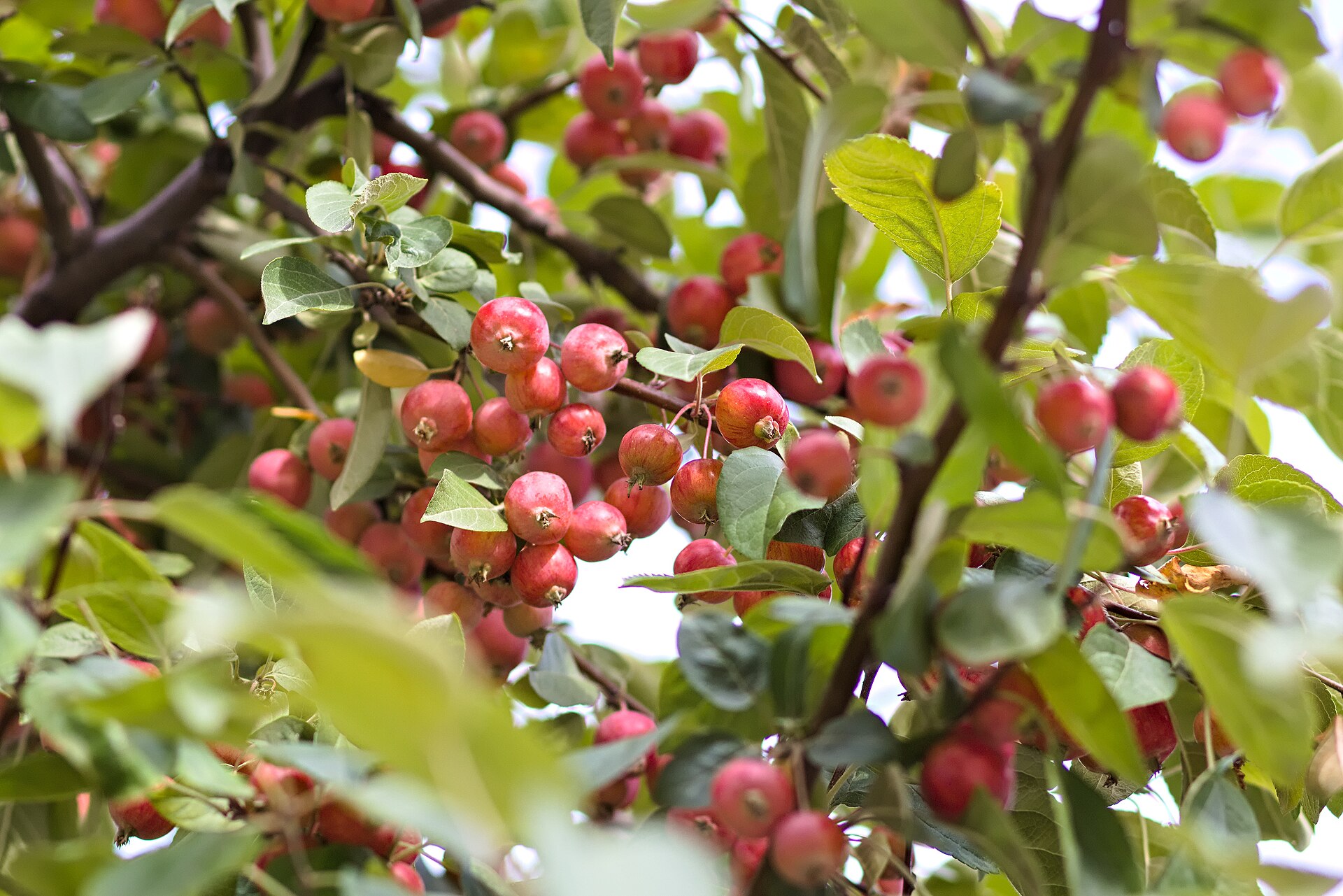

Siberian Crabapple is one of the hardiest and most useful crabapple species in the world. Native to northern Asia, including Siberia, Mongolia, northern China, and surrounding regions, this rugged small tree is famous for its extreme cold tolerance, beautiful spring flowers, abundant small fruits, and exceptional value as a wildlife and pollinator tree.
In spring, the tree becomes covered with fragrant white blossoms that attract bees and beneficial insects. By late summer and autumn, the flowers mature into clusters of small red, yellow, or orange-red crabapples that persist into winter and provide food for birds and wildlife.
Because of its toughness, beauty, and genetic importance, Siberian Crabapple has also been widely used in apple breeding and as a hardy rootstock for cold-climate orchards.
Plant Characteristics- Botanical Name: Malus baccata
- Common Names: Siberian Crabapple, Siberian Crab, Manchurian Crabapple
- Plant Type: Deciduous flowering fruit tree
- USDA Zones: 2-7
- Height: 20-35 feet
- Spread: 15-25 feet
- Sun Requirements: Full sun
- Flower Color: White, sometimes pink in bud
- Bloom Time: Spring
- Fruit Color: Red, yellow, or orange-red
The fruits are small crabapples, usually much smaller than standard apples, but they are highly ornamental and useful. While too tart or astringent for most fresh eating, they are excellent for processing.
- Jellies and preserves
- Crabapple syrup
- Cider blends
- Wildlife plantings
- Pollinator orchards
- Rootstock and breeding work
- Ornamental landscapes
- Cold-climate fruit gardens
The fruits are naturally high in pectin, making them especially useful for jelly making.
Important NoteSiberian Crabapple is prized for extreme cold hardiness. It is one of the toughest apple relatives available and has been used to help develop hardy apples for northern climates.
Germination Instructions- Remove seeds from ripe fruits.
- Clean thoroughly to remove all pulp.
- Cold stratify for 90-120 days at 34-40°F.
- Sow approximately 1/4 to 1/2 inch deep in a well-drained growing medium.
- Keep soil evenly moist but not waterlogged.
- Provide temperatures of 65-75°F after stratification.
- Germination generally occurs during spring warming.
- Transplant seedlings once they are well established.
Siberian Crabapple grows best in full sun and well-drained soil. It tolerates cold winters, wind, and challenging climates better than many fruit trees.
Once established, trees are relatively low maintenance and become dependable spring-flowering specimens. Pruning may be used to shape young trees and remove crossing branches.
The tree is especially valuable in northern regions where many ornamental and fruiting trees struggle.
Container GrowingYoung Siberian Crabapple trees can be grown in containers during the early stages.
- Use deep containers with good drainage.
- Provide full sun.
- Water regularly during establishment.
- Transplant before roots become crowded.
- Protect container-grown plants from extreme root freezing.
Because of its eventual size, permanent landscape planting is recommended.
Pollinator ValueThe abundant spring blossoms are highly attractive to honeybees, native bees, butterflies, and other beneficial insects. Crabapples are among the best flowering trees for supporting orchard pollinators.
Siberian Crabapple can also help pollinate many apple varieties that bloom at the same time.
Wildlife ValueThe small fruits are eagerly eaten by birds, deer, foxes, squirrels, and many other wildlife species. Fruits often persist into winter, providing valuable cold-season food.
The tree also provides nesting sites, shelter, and seasonal cover.
Historical and Cultural SignificanceSiberian Crabapple has played an important role in cold-climate apple breeding. Its natural hardiness made it valuable to horticulturists attempting to develop apples capable of surviving harsh northern winters.
In northern Asia, wild crabapples have long contributed to local food traditions, livestock forage, and wildlife habitat.
Today, Malus baccata remains important both as an ornamental tree and as a genetic resource for hardy apple development.
Interesting Botanical Facts- Malus baccata is one of the hardiest apple relatives known.
- The species name baccata refers to its berry-like fruits.
- The small fruits are naturally high in pectin.
- It is often used in apple breeding and rootstock development.
- Its spring flowers are valuable for supporting orchard pollinators.
Siberian Crabapple is a true northern survivor. While many fruit trees fail in harsh winter climates, this species thrives and still produces clouds of spring flowers followed by colorful fruits. For gardeners in cold regions, it offers ornamental beauty, wildlife value, pollinator support, and a direct connection to the history of hardy apple breeding. Few small trees provide so much usefulness in such a tough package.
One especially useful feature is its ability to support apple pollination. In many orchards, crabapples are planted not just for beauty, but because their abundant blossoms provide pollen for nearby apple trees.
Additional Seedman NoteSiberian Crabapple has helped make apple growing possible in places once considered too cold for reliable orchards. Breeders valued it because it could survive brutal winters and pass that toughness into future generations of apples. In that sense, this small-fruited wild apple has played an outsized role in helping expand apple culture into colder regions of the world.
For additional growing details, see our Siberian Crabapple Seeds AI fact sheet.
For over a thousand more unique seed varieties, all in stock and ready to ship, visit our Seed Catalog Index Page .

Contact Us | Privacy Policy | About Us
Serving gardeners since 1992
State of Mississippi Seedmen's Permit #C-391, Ohio 90152, Minnesota 20086777