
Sweet Cherry Seeds
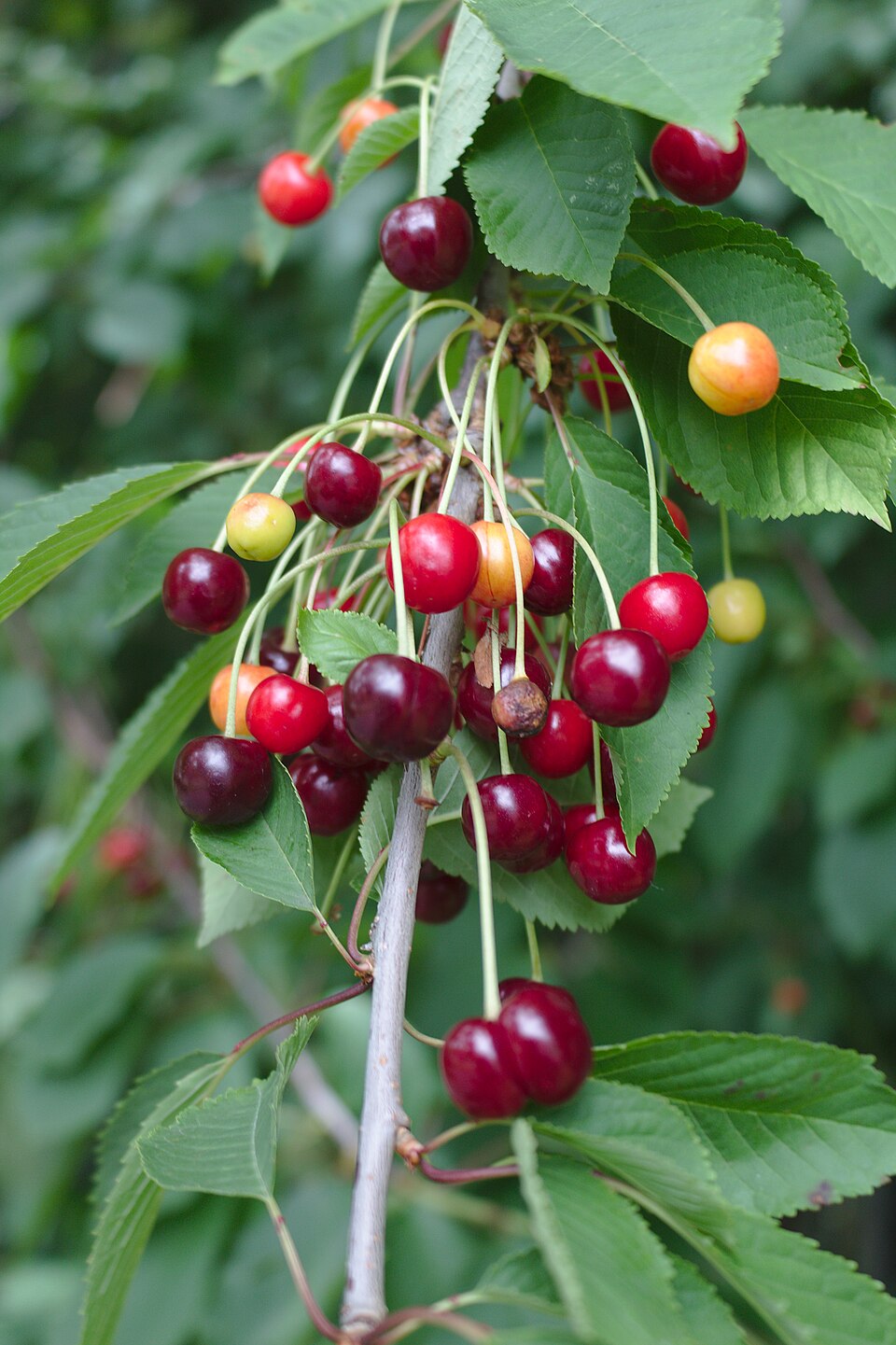
Sweet Cherry is a beautiful deciduous fruit tree prized for its masses of spring blossoms and delicious fruits. Native to Europe, western Asia, and parts of North Africa, it has been cultivated for thousands of years and remains one of the most important fruit crops in the world.
In spring, Sweet Cherry trees become covered with clouds of fragrant white flowers that attract bees and transform orchards into breathtaking displays. By early summer, the branches are loaded with glossy red, dark red, or nearly black cherries depending upon the variety. The fruits are among the most popular fresh fruits worldwide and are equally valued for desserts, preserves, and baking.
Combining ornamental beauty with abundant harvests, Sweet Cherry is one of the most rewarding fruit trees a gardener can grow.
Plant Characteristics- Botanical Name: Prunus avium
- Common Names: Sweet Cherry, Wild Cherry, Bird Cherry
- Plant Type: Deciduous fruit tree
- USDA Zones: 5-8
- Height: 20-50 feet
- Spread: 15-40 feet
- Sun Requirements: Full sun
- Flower Color: White
- Bloom Time: Early to mid spring
- Fruit Color: Red, dark red, burgundy, or nearly black
Sweet Cherries are famous for their juicy flesh, rich sweetness, and refreshing flavor. They are among the most widely consumed fresh fruits in the world.
- Fresh eating
- Pies and pastries
- Jams and preserves
- Fruit sauces
- Desserts
- Dried cherries
- Juices
- Home orchards
Depending on the variety, fruits may range from bright red to deep mahogany and can be exceptionally sweet when fully ripe.
Important NoteMany Sweet Cherry varieties require a second compatible cherry variety for pollination. When planting for fruit production, gardeners should verify pollination requirements for their chosen selections.
Germination Instructions- Remove pits from fully ripe cherries.
- Clean thoroughly and allow to dry briefly.
- Cold stratify for 90-120 days at 34-40°F.
- Sow approximately 1 inch deep in a well-drained growing medium.
- Keep evenly moist.
- Provide temperatures of 65-75°F after stratification.
- Germination usually occurs in spring.
- Transplant seedlings when well established.
Sweet Cherry performs best in full sun and fertile, well-drained soil. Trees appreciate good air circulation and benefit from locations protected from late spring frosts.
Once established, trees are relatively easy to maintain and can remain productive for decades. Proper pruning encourages strong structure, improves airflow, and helps maximize fruit production.
Regular watering during fruit development helps produce larger, higher-quality cherries.
Container GrowingTraditional Sweet Cherry trees are generally too large for permanent container culture, but young trees can be grown in containers temporarily.
- Use deep containers with excellent drainage.
- Provide full sun.
- Water consistently.
- Transplant to a permanent location as the tree matures.
- Dwarf selections are better suited for long-term container growing.
Sweet Cherry flowers are highly attractive to honeybees, native bees, and other beneficial pollinators. Blooming cherry orchards often become major nectar sources during spring.
Good pollinator activity is essential for optimal fruit production.
Wildlife ValueBirds are particularly fond of cherries and often compete with gardeners for ripe fruit. The trees also provide nesting habitat, seasonal shelter, and food resources for numerous wildlife species.
In nature, birds help disperse cherry seeds over wide areas.
Historical and Cultural SignificanceSweet Cherries have been cultivated since ancient times and were highly prized by the Greeks and Romans. Historical records suggest that Roman armies helped spread cultivated cherries throughout Europe over 2,000 years ago.
Over the centuries, countless varieties were developed, eventually making cherries one of the world's most important orchard fruits.
Today, Sweet Cherry production spans nearly every temperate fruit-growing region on Earth.
Interesting Botanical Facts- The species name avium means "of the birds."
- Wild birds helped spread cherries across much of Europe and Asia.
- Cherry wood is highly valued for fine furniture and woodworking.
- Some cherry trees can remain productive for many decades.
- Sweet Cherry is the ancestor of many modern cultivated cherry varieties.
Sweet Cherry may be one of the most universally loved fruits ever grown. Few experiences compare to picking sun-warmed cherries directly from a tree and enjoying them fresh in the orchard. Beyond the fruit, Sweet Cherry offers spectacular spring flowers, beautiful shade, and centuries of horticultural history. In many parts of the world, cherry harvest season is still celebrated as a special annual event. For gardeners seeking a fruit tree that combines beauty, productivity, and tradition, Sweet Cherry remains one of the finest choices available.
For additional growing details, see our Sweet Cherry Seeds AI fact sheet.
For over a thousand more unique seed varieties, all in stock and ready to ship, visit our Seed Catalog Index Page .

Contact Us | Privacy Policy | About Us
Serving gardeners since 1992
State of Mississippi Seedmen's Permit #C-391, Ohio 90152, Minnesota 20086777