
Tree Tomato Seeds
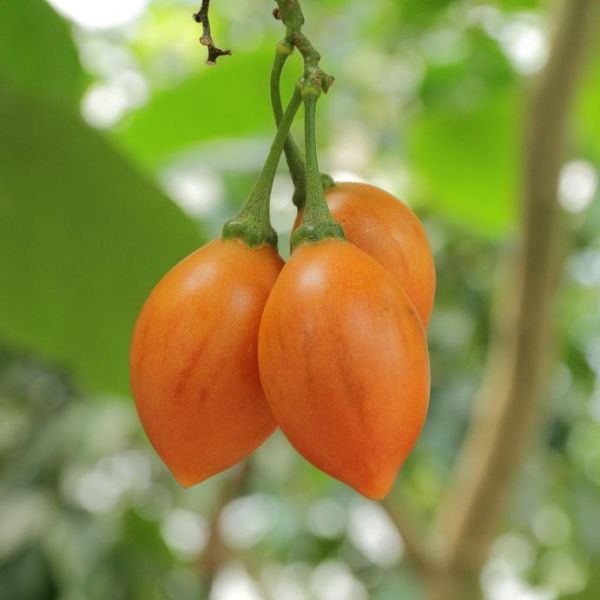
Tree Tomato, more commonly known today as Tamarillo, is a fast-growing fruiting shrub or small tree native to the Andes Mountains of South America. Unlike ordinary garden tomatoes, Tree Tomato develops into a handsome woody plant capable of producing heavy crops of colorful egg-shaped fruits year after year.
The fruits range in color from golden yellow and orange to bright red and deep crimson. Their flavor is often described as a unique blend of tomato, passion fruit, guava, and citrus, making them popular for fresh eating, juices, sauces, desserts, and preserves.
With its tropical appearance, rapid growth, and abundant fruit production, Tree Tomato is one of the most rewarding exotic fruit plants available to gardeners.
Plant Characteristics- Botanical Name: Solanum betaceum
- Common Names: Tree Tomato, Tamarillo, Andean Tomato
- Plant Type: Evergreen fruiting shrub or small tree
- USDA Zones: 9-11
- Height: 8-18 feet
- Spread: 6-12 feet
- Sun Requirements: Full sun to light shade
- Flower Color: Pinkish-white to lavender
- Bloom Time: Spring through summer
- Fruit Color: Yellow, orange, red, crimson, or purple-red
The colorful fruits contain juicy flesh with a distinctive sweet-tart flavor and numerous small edible seeds. Their taste is unique among fruits and highly prized in South America and New Zealand.
- Fresh eating
- Fruit juices
- Smoothies
- Desserts
- Jams and preserves
- Sauces and chutneys
- Fruit salads
- Specialty tropical fruit markets
Many people enjoy the fruits chilled and eaten directly from the skin with a spoon.
Important NoteTree Tomatoes are fast growing and may begin producing fruit within 2-3 years from seed. Under favorable conditions they can become productive surprisingly quickly.
Germination Instructions- Remove seeds from fully ripe fruits.
- Wash thoroughly to remove pulp.
- Allow seeds to dry for 24 hours.
- Sow on the surface or lightly cover with growing medium.
- Maintain temperatures between 70-85°F.
- Keep evenly moist but not waterlogged.
- Provide bright light.
- Germination usually occurs within 2-6 weeks.
Tree Tomato thrives in fertile, well-drained soil with regular moisture. It prefers mild climates and performs best where temperatures remain moderate year-round.
Plants appreciate protection from strong winds, which can damage their relatively brittle branches. Regular watering and occasional fertilization encourage vigorous growth and heavy fruit production.
In favorable climates, plants may produce fruit for many years.
Container GrowingTree Tomato is an excellent candidate for container growing.
- Use containers of at least 15-25 gallons.
- Provide rich, well-drained soil.
- Maintain regular watering.
- Place in full sun or bright light.
- Protect from frost.
- Prune lightly to maintain size and shape.
Container-grown plants are popular in cooler climates where they can be overwintered indoors or in greenhouses.
Pollinator ValueThe attractive pinkish-white flowers attract bees, butterflies, and other pollinating insects. Good pollinator activity helps improve fruit production.
Flowering plants often remain attractive to pollinators throughout the growing season.
Wildlife ValueBirds occasionally feed on ripe fruits, while flowering plants support pollinators. The dense foliage also provides seasonal shelter for beneficial insects.
Historical and Cultural SignificanceTree Tomato originated in the Andes region of South America, where it has been cultivated for centuries in countries such as Ecuador, Peru, Bolivia, and Colombia.
During the twentieth century, New Zealand growers adopted the crop and popularized the name "Tamarillo" to distinguish it from ordinary tomatoes. Today, the fruit enjoys worldwide popularity among collectors of exotic fruits.
It remains an important specialty crop throughout many subtropical regions.
Interesting Botanical Facts- Tree Tomato belongs to the same family as tomatoes, potatoes, peppers, and eggplants.
- Despite its name, it is not a true tomato.
- Plants can grow several feet in a single season.
- The fruits contain high levels of vitamins A and C.
- Modern commercial production is especially important in New Zealand.
Tree Tomato is one of those rare fruits that surprises almost everyone who tries it. Most people expect something resembling a giant tomato, only to discover a completely different flavor experience combining sweetness, tartness, and tropical fruit notes. Add in the plant's rapid growth, ornamental beauty, and heavy fruit production, and it becomes easy to understand why Tamarillo has developed such a loyal following among exotic fruit enthusiasts worldwide.
Its large tropical leaves and colorful fruits make it attractive enough to grow as an ornamental even before the first harvest arrives.
Additional Seedman NoteOne fascinating fact about Tree Tomato is that the name "Tamarillo" was actually invented in New Zealand during the 1960s as a marketing term. Growers wanted a name that sounded more exotic and distinguished the fruit from ordinary tomatoes. The new name proved so successful that many people today know the plant only as Tamarillo, despite its long history in the Andes Mountains centuries before it reached New Zealand.
For over a thousand more unique seed varieties, all in stock and ready to ship, visit our Seed Catalog Index Page.

Contact Us | Privacy Policy | About Us
Serving gardeners since 1992
State of Mississippi Seedmen's Permit #C-391, Ohio 90152, Minnesota 20086777