
Wild Black Cherry Seeds
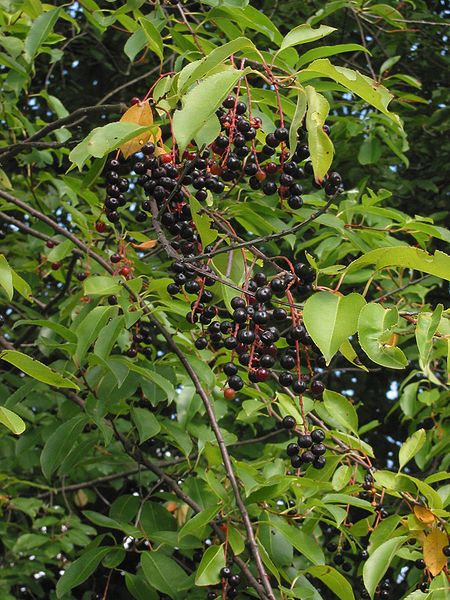
Wild Black Cherry is a large deciduous tree native to eastern and central North America. Famous for its beautiful spring flower clusters, edible fruits, wildlife value, and valuable lumber, it is one of the most important native trees found throughout forests, fencerows, and woodland edges.
In spring, long drooping clusters of fragrant white flowers cover the tree and attract countless pollinators. By late summer, these flowers mature into glossy purple-black cherries that provide food for birds, mammals, and people alike.
Its combination of beauty, ecological importance, and economic value has made Wild Black Cherry one of North America's most significant native tree species.
Plant Characteristics- Botanical Name: Prunus serotina
- Common Names: Wild Black Cherry, Black Cherry, Rum Cherry, Mountain Black Cherry
- Plant Type: Deciduous fruit and timber tree
- USDA Zones: 3-9
- Height: 50-100 feet
- Spread: 30-60 feet
- Sun Requirements: Full sun to partial shade
- Flower Color: White
- Bloom Time: Spring
- Fruit Color: Dark purple to black
The small cherries develop a rich sweet-tart flavor when fully ripe. While somewhat astringent when immature, ripe fruits are highly valued for culinary use.
- Fresh eating
- Jellies and jams
- Syrups
- Wine making
- Pies and desserts
- Traditional recipes
- Wildlife food plantings
- Native edible landscapes
The fruits are also widely harvested by wildlife throughout their native range.
Important NoteOnly the fully ripe fruit flesh is considered edible. Like many members of the cherry family, seeds, leaves, and wilted foliage contain compounds that should not be consumed.
Germination Instructions- Remove seeds from fully ripe fruits.
- Wash thoroughly to remove all pulp.
- Cold stratify for 90-120 days at 34-40°F.
- Sow approximately 1/2 inch deep.
- Maintain even moisture.
- Provide temperatures of 65-75°F after stratification.
- Germination generally occurs in spring.
- Transplant seedlings once well established.
Wild Black Cherry grows best in full sun and fertile, well-drained soil, but it adapts to a wide range of growing conditions. It is relatively fast growing when young and can develop into an impressive shade tree.
Trees tolerate heat, cold, and moderate drought once established.
The species naturally colonizes open fields, forest edges, and disturbed sites.
Container GrowingContainer culture is suitable during the seedling and young tree stages.
- Use deep containers with excellent drainage.
- Provide full sun exposure.
- Water regularly.
- Avoid allowing roots to become pot-bound.
- Transplant into the landscape while young.
Mature trees are best suited for permanent outdoor planting.
Pollinator ValueThe abundant flower clusters attract honeybees, native bees, butterflies, hoverflies, and numerous beneficial insects. The tree serves as an important nectar source during spring.
Flowering Black Cherries are often buzzing with pollinator activity.
Wildlife ValueFew native fruit trees surpass Wild Black Cherry in wildlife importance. The fruits are eaten by more than 40 species of birds, as well as foxes, raccoons, bears, squirrels, and many other mammals.
The tree also serves as a host plant for numerous native butterfly and moth species.
Historical and Cultural SignificanceNative American tribes utilized Wild Black Cherry fruits, bark, and wood for a variety of purposes long before European settlement. Early settlers adopted many of these uses and prized the tree for both food and lumber.
During the nineteenth and twentieth centuries, Black Cherry became one of America's most valuable hardwood species.
Today, its richly colored wood remains highly sought after for furniture, cabinetry, and fine woodworking.
Interesting Botanical Facts- Wild Black Cherry is the largest native cherry species in North America.
- Its wood is among the most valuable hardwoods harvested in the eastern United States.
- The tree often serves as a pioneer species in abandoned fields.
- More than 400 insect species utilize Black Cherry as a host plant.
- The bark develops distinctive dark, scaly plates as trees mature.
Wild Black Cherry is one of those remarkable trees that excels in nearly every category. It produces edible fruit, supports wildlife, attracts pollinators, provides beautiful spring flowers, offers excellent shade, and yields some of North America's most prized hardwood lumber. Few native trees have contributed more to both the natural landscape and American history.
Its value to wildlife alone makes it worthy of consideration for native habitat restoration and conservation plantings.
Additional Seedman NotePerhaps the most impressive statistic about Wild Black Cherry is the number of species that depend upon it. From songbirds and mammals to butterflies and moths, hundreds of creatures utilize this tree during some stage of their life cycle. In many eastern forests, Black Cherry functions as a true ecological cornerstone species, supporting an extraordinary web of life.
For additional growing details, see our Wild Black Cherry Seeds AI fact sheet.
For over a thousand more unique seed varieties, all in stock and ready to ship, visit our Seed Catalog Index Page .

Contact Us | Privacy Policy | About Us
Serving gardeners since 1992
State of Mississippi Seedmen's Permit #C-391, Ohio 90152, Minnesota 20086777