
Yumberry Fruit Seeds
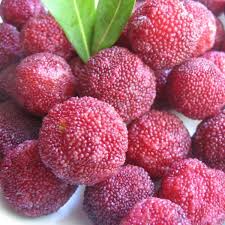
Yumberry, also known as Chinese Bayberry, Yangmei, Waxberry, or Chinese Strawberry Tree Fruit, is one of Asia's most prized and ancient fruits. Native to China and neighboring regions of East Asia, this attractive evergreen tree produces clusters of round, crimson-red to deep purple fruits with a distinctive textured surface resembling a raspberry-covered cherry.
The flavor is complex and refreshing, often described as a blend of strawberry, pomegranate, cranberry, cherry, and blackberry with a pleasantly sweet-tart balance. Revered in China for centuries, Yumberry is increasingly attracting attention worldwide among rare fruit enthusiasts and collectors seeking unusual and flavorful fruits.
Plant Characteristics- Botanical Name: Myrica rubra
- Common Names: Yumberry, Yangmei, Chinese Bayberry, Chinese Waxberry, Red Bayberry
- Plant Type: Evergreen fruit tree
- USDA Zones: 8-10
- Height: 20-50 feet
- Spread: 15-30 feet
- Sun Requirements: Full sun to partial shade
- Flower Color: Small greenish catkins
- Bloom Time: Spring
- Fruit Color: Bright red to dark purple-red
Yumberry fruits are juicy, aromatic, and packed with flavor. Their attractive appearance and refreshing sweet-tart taste have made them one of the most beloved fruits in many regions of China.
- Fresh eating
- Fruit juices
- Jams and preserves
- Wine making
- Smoothies
- Desserts
- Dried fruit
- Traditional beverages
The fruit is highly perishable and is rarely seen fresh outside growing regions, making home cultivation especially rewarding.
Important NoteYumberry trees are often dioecious, meaning separate male and female trees may be required for fruit production. Gardeners should plan accordingly when establishing a planting intended for fruit harvest.
Germination Instructions- Remove seeds from ripe fruit and clean thoroughly.
- Soak seeds in water for 24 hours.
- Cold stratify for approximately 60-90 days at 34-40°F.
- Sow seeds 1/4 inch deep in a well-drained seed-starting mix.
- Maintain temperatures of 70-80°F.
- Keep soil evenly moist.
- Germination may take several weeks to several months.
- Transplant seedlings carefully once established.
Yumberry grows best in fertile, well-drained soils and benefits from regular moisture during establishment. The tree appreciates warm summers and mild winters and develops an attractive rounded evergreen canopy.
Growth is moderate, and mature trees become highly ornamental landscape specimens. Once established, Yumberry demonstrates good adaptability and can provide decades of fruit production.
The glossy foliage and colorful fruit make the tree attractive even when not in harvest season.
Container GrowingYoung Yumberry trees can be grown in large containers for several years.
- Use deep containers with excellent drainage.
- Provide full sun or bright partial shade.
- Use acidic, well-drained potting media.
- Water consistently during active growth.
- Protect from severe freezes.
- Repot as needed.
Container culture can be useful in cooler regions where winter protection is necessary.
Pollinator ValueThe spring flowers provide seasonal resources for beneficial insects. Yumberry contributes to pollinator-friendly landscapes while supporting fruit production.
Wildlife ValueBirds are attracted to ripe fruits, and the evergreen canopy provides shelter and nesting habitat. The tree can become a valuable component of wildlife-friendly edible landscapes.
Historical and Cultural SignificanceYumberry has been cultivated in China for more than 2,000 years and is considered one of the country's most important traditional fruits. Ancient Chinese poets and scholars frequently mentioned Yangmei in literature, and the fruit was often presented as a prized seasonal delicacy.
The fruit remains deeply embedded in Chinese culture and is celebrated in regions where it is traditionally grown.
Modern interest in Yumberry has expanded internationally as growers and consumers discover its unique flavor and impressive nutritional profile.
Interesting Botanical Facts- Yumberry has been cultivated since before the Roman Empire.
- The fruits can vary from bright red to nearly purple-black.
- The tree remains evergreen in suitable climates.
- Yumberry belongs to the bayberry family rather than the berry family.
- The fruit is rich in antioxidants and natural plant pigments.
Yumberry may be one of the most underappreciated fruits in the Western world. While many Americans have never encountered the fruit, generations of Chinese gardeners have treasured it for centuries. Some enthusiasts describe the flavor as a blend of strawberry, cranberry, pomegranate, and cherry, while others insist there is nothing quite like it. Whatever the comparison, Yumberry offers a unique taste experience backed by more than two millennia of cultivation. For collectors of rare fruits, it represents one of Asia's true hidden treasures.
For additional growing details, see our Yumberry Fruit Seeds AI fact sheet.
For over a thousand more unique seed varieties, all in stock and ready to ship, visit our Seed Catalog Index Page .

Contact Us | Privacy Policy | About Us
Serving gardeners since 1992
State of Mississippi Seedmen's Permit #C-391, Ohio 90152, Minnesota 20086777