
Giant Sequoia Seeds
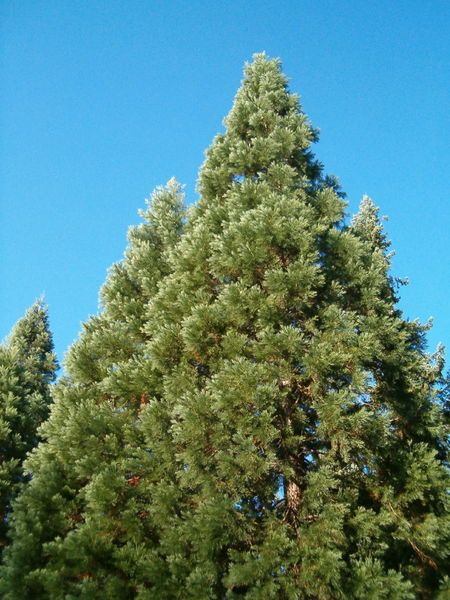
Landscape Rating: ⭐⭐⭐⭐⭐ (5/5 Stars)
Plant CharacteristicsGiant Sequoia is quite simply one of the most awe-inspiring trees on Earth. Native to a narrow band of the western slopes of California's Sierra Nevada Mountains, this legendary conifer produces the greatest volume of wood of any living organism and ranks among the largest and oldest trees in the world.
In its native habitat, Giant Sequoias can exceed 250 feet in height and develop trunk diameters greater than 30 feet. Even in cultivated landscapes, mature specimens commonly reach 60 to 100 feet tall and continue growing for generations.
The tree develops a magnificent pyramidal form when young, gradually becoming more massive and imposing with age. Its reddish-brown bark can become several feet thick, providing remarkable protection against insects, disease, and even wildfire.
As a specimen lawn tree, Giant Sequoia creates an unforgettable focal point and often becomes the defining feature of an entire property.
Landscape Uses- Specimen lawn tree
- Estate landscapes
- Legacy tree plantings
- Parks and arboretums
- Large acreage properties
- Memorial plantings
- Evergreen focal points
- Historic landscapes
Few trees command attention like a Giant Sequoia. Even relatively young specimens create an impressive sense of permanence and grandeur.
Important Landscape NotePlant Giant Sequoia only where ample room is available for future growth. Although growth is relatively moderate when young, these trees eventually become enormous and can outlive multiple generations of property owners.
Germination Information- Cold stratify seeds for 30-60 days.
- Sow on the soil surface and lightly press into the growing medium.
- Do not deeply bury the seed.
- Maintain temperatures between 60-75°F.
- Keep evenly moist but not saturated.
- Germination generally occurs within 2-8 weeks.
- Botanical Name: Sequoiadendron giganteum
- Plant Type: Evergreen Conifer Tree
- USDA Zones: 6-9
- Sun Exposure: Full Sun
- Mature Height: 60-100+ Feet in cultivation
- Mature Spread: 20-40 Feet
- Growth Rate: Moderate
- Soil Preference: Deep, well-drained soils
- Water Requirements: Moderate
Giant Sequoia prefers fertile soils with adequate moisture but excellent drainage. Once established, it demonstrates impressive resilience and can adapt to a variety of landscape conditions.
Container GrowingSeedlings may be grown in containers for several years, but the species is ultimately destined for permanent landscape planting. Due to its eventual size, long-term container culture is not practical.
Pollinator & Wildlife ValueThe dense evergreen canopy provides nesting sites and shelter for birds and wildlife throughout the year. Mature trees contribute valuable habitat while creating cool microclimates beneath their expansive branches.
Although wind-pollinated, Giant Sequoias play an important ecological role wherever they are grown.
Historical & Cultural SignificanceThe discovery of Giant Sequoias by early European explorers caused worldwide astonishment. Reports of trees larger than any previously known were initially dismissed as exaggerations until specimens and photographs proved their existence.
Many famous Giant Sequoias bear names and have become international landmarks. Some living trees were already centuries old before Columbus reached the Americas.
The species remains one of the most celebrated natural wonders in the world and symbolizes endurance, strength, and longevity.
Botanical Facts- Member of the Cypress Family (Cupressaceae).
- Produces the greatest volume of wood of any living tree.
- Can live for over 3,000 years.
- Native to California's Sierra Nevada Mountains.
- Bark may exceed two feet in thickness.
- Closely related to Coast Redwood but generally more massive.
Planting a Giant Sequoia is less about gardening and more about creating a legacy. Few landscape trees inspire the same sense of wonder, permanence, and connection to the natural world.
Additional Seedman NoteThe famous "General Sherman Tree" in California's Sequoia National Park is considered the largest tree on Earth by volume. It stands approximately 275 feet tall, contains an estimated 52,000 cubic feet of wood, and is believed to be over 2,000 years old. When you plant a Giant Sequoia, you are growing a descendant of one of nature's greatest achievements—a tree capable of surviving for millennia and becoming a living monument for future generations.
By nature, this is a low germinating seed, expect about 15-20 percent germination.
For over a thousand more unique seed varieties, all in stock and ready to ship, visit our Seed Catalog Index Page .

Contact Us | Privacy Policy | About Us
Serving gardeners since 1992
State of Mississippi Seedmen's Permit #C-391, Ohio 90152, Minnesota 20086777