
Gingko Biloba Seeds
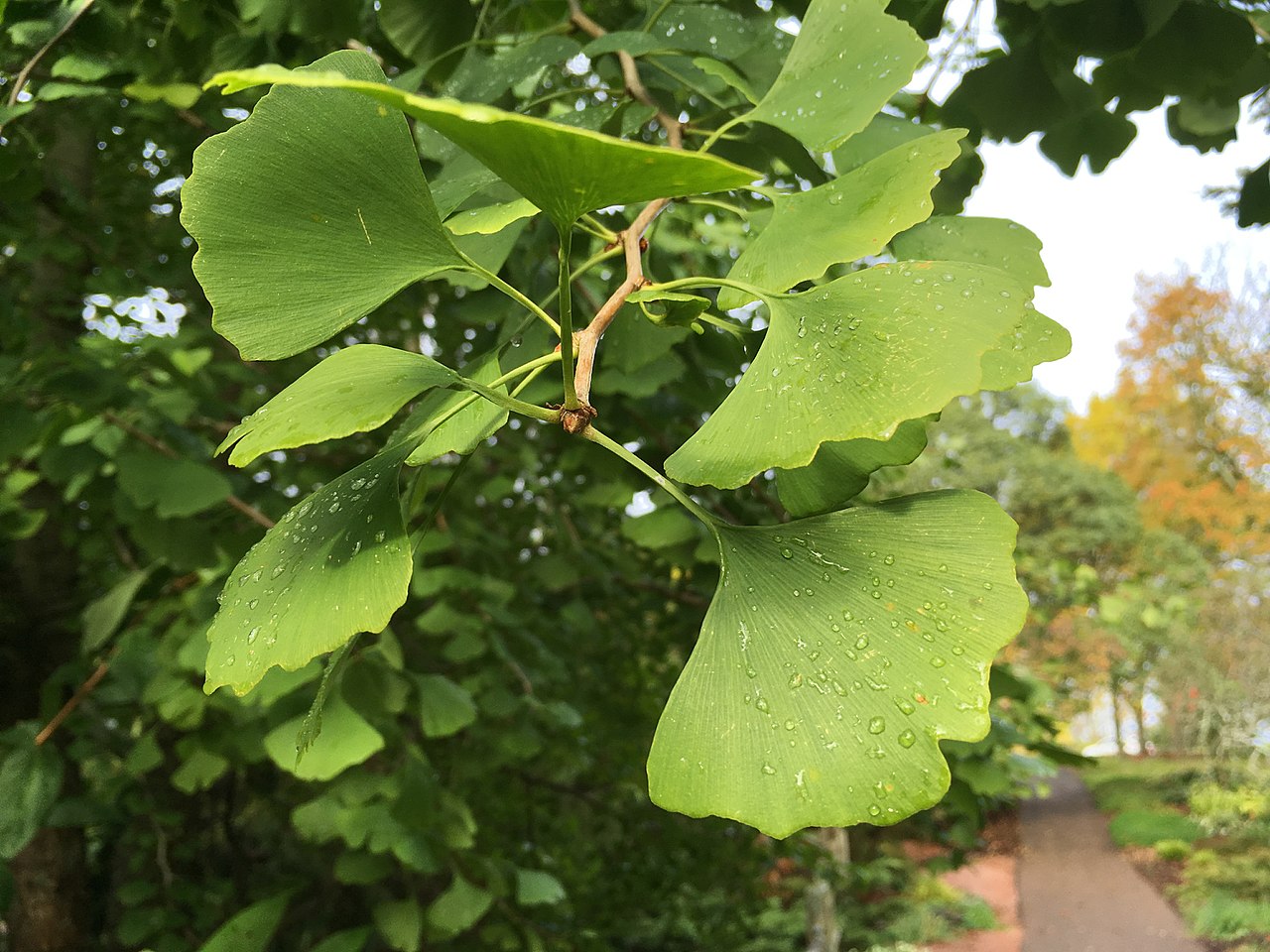

Ginkgo Biloba is one of the most remarkable trees on Earth and is often referred to as a "living fossil." Existing largely unchanged for over 200 million years, Ginkgo predates dinosaurs, flowering plants, and many modern tree species. Its distinctive fan-shaped leaves, brilliant golden fall color, and extraordinary longevity have made it one of the world's most treasured ornamental and historical trees.
Highly resistant to pollution, disease, insects, and urban stress, Ginkgo has become one of the finest shade and street trees available. Mature specimens develop into stately landscape trees that can live for centuries, making them a true legacy planting for future generations.
Plant Characteristics- Botanical Name: Ginkgo biloba
- Common Names: Ginkgo, Maidenhair Tree, Fossil Tree
- Plant Type: Deciduous shade tree
- Mature Height: 50 to 80 feet
- Mature Spread: 30 to 50 feet
- Growth Rate: Moderate
- USDA Zones: 3 to 9
- Fall Color: Brilliant golden yellow
- Foliage: Distinctive fan-shaped leaves
Ginkgo is widely planted as a specimen tree, shade tree, lawn tree, street tree, park tree, and campus tree. Its strong structure, exceptional adaptability, and beautiful fall display make it one of the most dependable landscape trees available.
Because of its resistance to pollution and compacted soils, it performs exceptionally well in urban environments where many other trees struggle.
Germination InformationFresh seeds generally provide the best germination results.
- Clean seeds thoroughly before planting.
- Cold stratify for 60 to 90 days if necessary.
- Sow approximately 1 inch deep.
- Use a well-drained growing medium.
- Maintain moderate moisture levels.
- Germination may occur within several weeks following stratification.
Ginkgo thrives in full sun and adapts to a wide variety of soil conditions. Once established, it is highly tolerant of drought, heat, pollution, salt spray, and urban growing conditions.
Young trees grow steadily and develop a strong central leader. Mature specimens require little maintenance beyond occasional pruning of damaged branches.
Fall color is often spectacular, with entire canopies turning brilliant gold before dropping their leaves within a short period.
Container GrowingYoung Ginkgo trees can be grown successfully in containers for several years. They are also highly valued for bonsai culture due to their unique foliage, longevity, and adaptability.
Long-term growth is best achieved in the landscape where the tree can reach its full majestic potential.
Historical and Cultural FactsGinkgo is often called a "living fossil" because it is the sole surviving member of an ancient plant lineage dating back more than 200 million years.
The species survived virtually unchanged through multiple mass extinction events that eliminated countless other plant and animal groups.
Ancient Ginkgo trees have been cultivated near temples in China, Korea, and Japan for centuries, where many specimens are believed to be over 1,000 years old.
Several Ginkgo trees survived the atomic bombing of Hiroshima and resumed growth shortly afterward, becoming powerful symbols of resilience and hope.
Botanical Facts- Only surviving member of the Ginkgoaceae family.
- Predates flowering plants by millions of years.
- Leaves have a unique fan shape unlike any other common tree.
- Individual trees can live well over 1,000 years.
- Male trees are generally preferred for landscaping because female trees produce odoriferous fruits.
- Among the most disease-resistant trees in cultivation.
For over a thousand more unique seed varieties, all in stock and ready to ship, visit our Seed Catalog Index Page .

Contact Us | Privacy Policy | About Us
Serving gardeners since 1992
State of Mississippi Seedmen's Permit #C-391, Ohio 90152, Minnesota 20086777