
Luffa Sponge Seeds
★★★★★ Ornamental & Useful Vine Rating: 5 out of 5 Stars
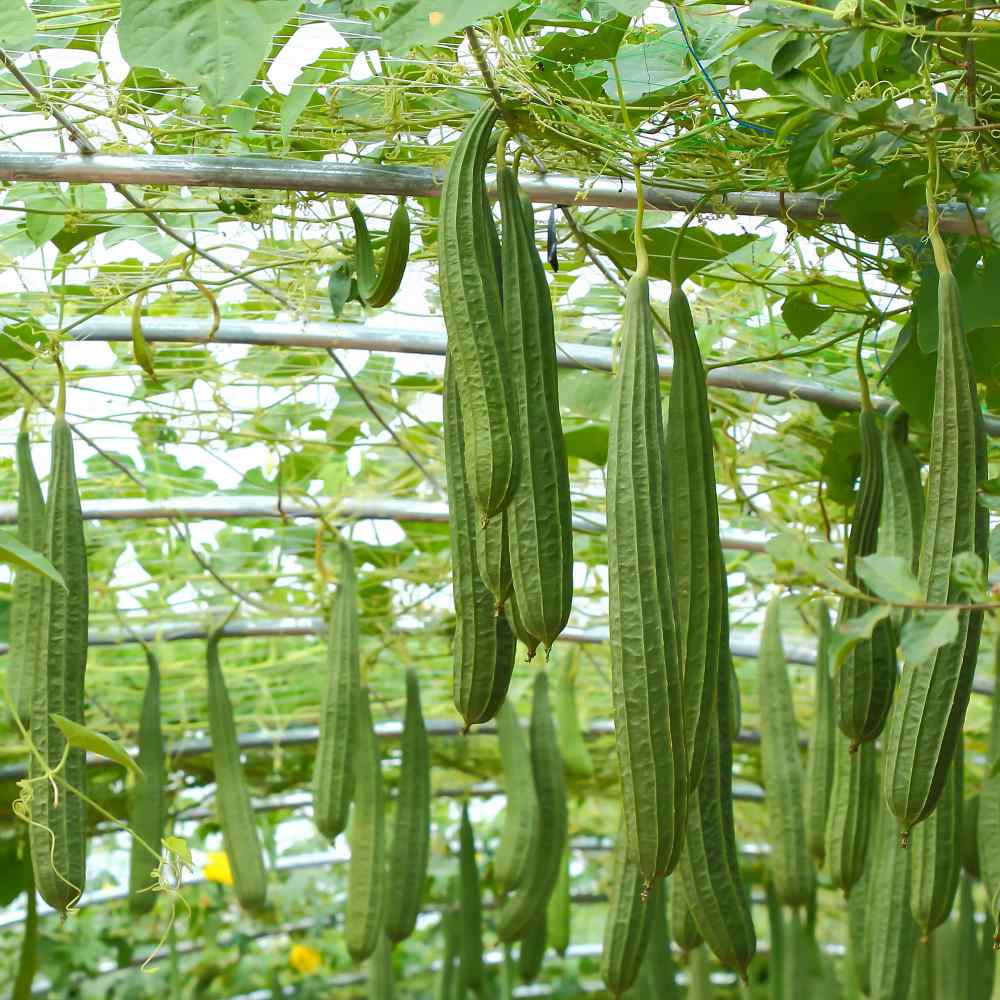
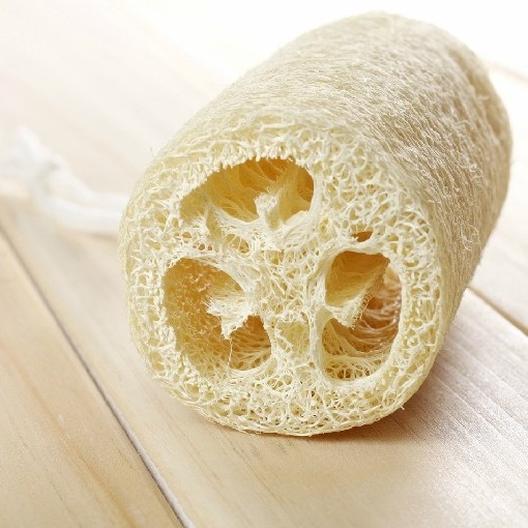
Common Luffa Sponge is one of the most fascinating and useful vines a gardener can grow. This vigorous tropical climber produces large cucumber-like fruits that mature into the natural bath sponges found in homes around the world. Combining ornamental beauty, edible harvests, and practical household uses, Luffa is truly one of nature's most versatile plants.
Fast-growing vines quickly cover fences, trellises, arbors, and garden structures with attractive foliage and cheerful yellow flowers. Young fruits may be harvested and eaten much like zucchini or squash, while mature fruits develop the fibrous interior that becomes the familiar natural sponge after drying and processing.
Plant Characteristics- Botanical Name: Luffa aegyptiaca
- Common Names: Common Luffa Sponge, Sponge Gourd, Dishrag Gourd, Vegetable Sponge
- Plant Type: Warm-season annual vine
- Mature Length: 15 to 30 feet
- Growth Rate: Very fast
- USDA Zones: Annual in all climates
- Flower Color: Bright yellow
- Bloom Time: Summer
- Fruit: Long green gourds maturing to sponge-filled fruits
Common Luffa Sponge is ideal for trellises, fences, pergolas, arbors, garden screens, vegetable gardens, edible landscapes, and children's gardens.
Its vigorous growth quickly creates seasonal privacy screens while producing an abundant harvest of useful fruits.
Germination InformationLuffa seeds germinate best under warm conditions.
- Soak seeds in warm water for 24 hours before planting.
- Sow seeds approximately 1 inch deep.
- Maintain temperatures between 75 and 90°F.
- Keep soil consistently moist.
- Provide bright light.
- Germination typically occurs within 7 to 14 days.
Starting seeds indoors 4 to 6 weeks before the last frost can improve production in shorter growing seasons.
Growing InformationCommon Luffa Sponge thrives in full sun and fertile, well-drained soils rich in organic matter.
The vines require a long growing season and perform best when provided regular moisture and occasional feeding during active growth.
Strong support structures are essential, as mature vines and fruits can become quite heavy.
Container GrowingLuffa can be grown in very large containers equipped with sturdy trellises. Containers should be at least 15 to 20 gallons in size to support healthy growth and fruit production.
Regular watering and fertilization are especially important when grown in containers.
Pollinator ValueThe bright yellow flowers attract honeybees, native bees, butterflies, and numerous beneficial pollinating insects.
Successful fruit production depends heavily upon pollinator activity.
Wildlife ValueThe flowers provide nectar resources while the dense vines create seasonal cover for beneficial insects and small wildlife.
Pollinator visitation often increases significantly when Luffa is grown alongside other flowering vegetables.
Historical and Cultural FactsLuffa has been cultivated for thousands of years throughout Asia, Africa, and the Middle East for both food and sponge production.
Before synthetic materials became common, natural Luffa sponges were widely used for bathing, household cleaning, and even industrial filtration applications.
Today Luffa remains one of the world's most popular renewable natural sponge sources.
Botanical Facts- Member of the Cucurbitaceae (Gourd) family.
- Related to cucumbers, melons, pumpkins, and squash.
- Young fruits are edible and commonly used in Asian cuisine.
- Mature fruits develop a fibrous internal skeleton.
- Produces both male and female flowers.
- One mature fruit may yield an entire natural bath sponge.
Few plants offer as much educational value and usefulness as Common Luffa Sponge. Watching ordinary-looking gourds transform into natural sponges never fails to fascinate gardeners of all ages.
Additional Seedman's NoteIf you're looking for a vine that combines beauty, productivity, and novelty, Common Luffa Sponge is an outstanding choice. It creates an impressive garden display while producing one of nature's most useful renewable products.
Here are some helpful links on growing and harvesting the loofa sponge:How to grow natural loofa sponges.
How to harvest your luffa and turn them into sponges.
For additional growing details, see our Luffa Sponge Seeds AI fact sheet.
For more Gourd varieties, all in stock and ready to ship, visit our Gourd seed page.

Contact Us | Privacy Policy | About Us
Serving gardeners since 1992
State of Mississippi Seedmen's Permit #C-391, Ohio 90152, Minnesota 20086777