
New Seed Arrivals | New Account |
Gift Certificates |
Gardening Products
SEEDS: Unusual | Annuals | Perennials | Vegetables | Herbs | Trees
Good King Henry Seeds
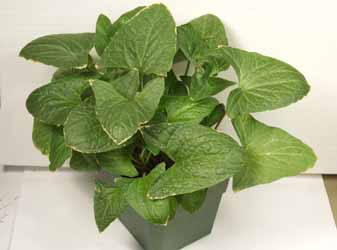
IP249 Good King Henry ( Chenopodium bonus-henricus )
Good King Henry has been used as a vegetable for centuries and was once a common sight in every garden. But this reliable kitchen garden staple has fallen by the wayside in recent years, since it is not easily cultivated in large commercial operations.
Good King Henry may have become something of a rarity today, but this unique herb still has much to offer to the home or cottage gardener.
A perennial herb in the family Chenopodiaceae, the same plant family as some familiar vegetables (including beetroot and chard) and some other useful but more unusual plants including quinoa and tree spinach. This unique herb possesses many unusual functions. One of its many common names is "All Good" and pretty much all of the plant can be eaten.
The succulent young leaves and flowering stems can be either eaten in salads or cooked like spinach. The seed can be ground and mixed with flour then used in making bread. Known as 'poor man's asparagus', the growing shoots can be tie together in bundles, cooked and eaten like asparagus. Considered to be a gourmet food, young flower buds can be sauteed in butter
It has been used as a herbal medicine to alleviate stomach-ache. The seed is a gentle laxative that is suitable for children. Chickens especially seem to have a special fondness for Good King Henry; one of its common names is "fat hen".
The root is used as a cough remedy for livestock such as sheep and goats.
Good King Henry may have become something of a rarity today, but this unique herb still has much to offer to the home or cottage gardener.
A perennial herb in the family Chenopodiaceae, the same plant family as some familiar vegetables (including beetroot and chard) and some other useful but more unusual plants including quinoa and tree spinach. This unique herb possesses many unusual functions. One of its many common names is "All Good" and pretty much all of the plant can be eaten.
The succulent young leaves and flowering stems can be either eaten in salads or cooked like spinach. The seed can be ground and mixed with flour then used in making bread. Known as 'poor man's asparagus', the growing shoots can be tie together in bundles, cooked and eaten like asparagus. Considered to be a gourmet food, young flower buds can be sauteed in butter
It has been used as a herbal medicine to alleviate stomach-ache. The seed is a gentle laxative that is suitable for children. Chickens especially seem to have a special fondness for Good King Henry; one of its common names is "fat hen".
The root is used as a cough remedy for livestock such as sheep and goats.
Note: Good King Henry seeds have a tough seed coat and require a cold dormancy period (stratification) to sprout. To successfully germinate them, cold-condition the seeds for 6–10 weeks by storing them in a damp paper towel or sand inside the fridge, followed by surface-sowing in light, moist soil.
For additional growing information, see our Good King Henry Seeds AI fact sheet.
For over a thousand more unique seed varieties, available and ready to ship, visit our Seed Catalog Index Page .

Contact Us | Privacy Policy | About Us
Serving gardeners since 1992
State of Mississippi Seedmen's Permit #C-391, Ohio 90152, Minnesota 20086777