
Lemon Balm Seeds
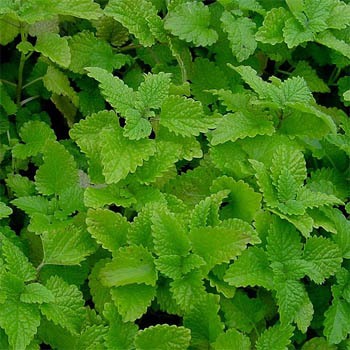
For centuries, Lemon Balm has been cultivated in monastery gardens, cottage gardens, and medicinal herb gardens throughout Europe and beyond. Its cheerful appearance, pleasant fragrance, and ease of cultivation have earned it a place among the most widely grown herbal plants.
The aromatic leaves are commonly used fresh or dried in herbal teas, fruit drinks, lemonades, desserts, jellies, salads, and potpourris. The pleasant lemon flavor blends beautifully with mint, chamomile, lavender, and other herbs, making Lemon Balm one of the most useful plants for homemade tea blends.
During summer, plants produce clusters of small white flowers that are highly attractive to bees and beneficial insects. In fact, the botanical name Melissa is derived from the Greek word for honeybee, reflecting the plant's long-standing reputation as an excellent bee plant.
Uses and Benefits- Fresh lemon fragrance and flavor.
- One of the finest herbs for teas and tea blends.
- Excellent in lemonades, desserts, and fruit dishes.
- Traditional medicinal herb with centuries of use.
- Outstanding pollinator and bee plant.
- Attracts butterflies and beneficial insects.
- Beautiful addition to herb gardens.
- Excellent for potpourri and sachets.
- Suitable for edible landscapes.
- Easy to grow and highly productive.
- Excellent container herb.
- Returns year after year as a hardy perennial.
Lemon Balm is a hardy perennial in USDA Zones 4-9.
Germination Instructions- Start seeds indoors 6-8 weeks before the last frost or sow outdoors after danger of frost has passed.
- Press seeds lightly onto the soil surface.
- Do not cover deeply, as light aids germination.
- Maintain temperatures between 65-75°F (18-24°C).
- Keep soil evenly moist during germination.
- Seeds typically germinate in 10-21 days.
- Provide bright light after seedlings emerge.
- Plant in full sun to partial shade.
- Prefers fertile, well-drained soil.
- Harvest foliage frequently for best flavor.
- Cut plants back periodically to encourage fresh growth.
- Allow some flowers to bloom for pollinators.
- Excellent for herb gardens, tea gardens, and pollinator plantings.
- May self-sow in favorable conditions.
Lemon Balm is exceptionally well suited for container culture and is often easier to manage in pots than in garden beds. Use a container at least 10-12 inches deep with good drainage. Regular harvesting encourages dense, bushy growth and provides a continual supply of fragrant leaves throughout the growing season.
Combining delightful fragrance, culinary versatility, traditional herbal value, and outstanding pollinator appeal, Lemon Balm is one of the most rewarding herbs a gardener can grow. Whether planted for tea, bees, butterflies, potpourri, or simply its refreshing citrus scent, this easy-care perennial brings beauty and usefulness to every garden.
For over a thousand more unique seed varieties, all in stock and ready to ship, visit our Seed Catalog Index Page .

Contact Us | Privacy Policy | About Us
Serving gardeners since 1992
State of Mississippi Seedmen's Permit #C-391, Ohio 90152, Minnesota 20086777