
Meadowsweet Seeds
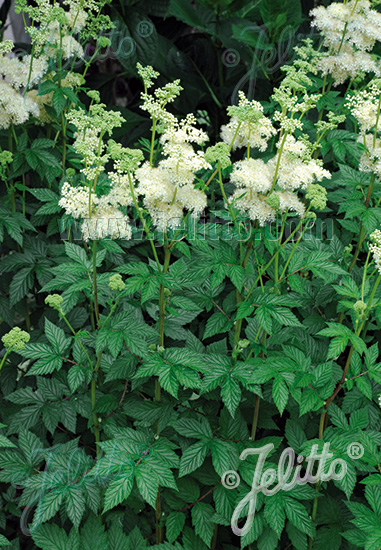
An herbal answer to aspirin that will not upset the stomach. An infusion made by steeping two teaspoons of dried leaves in a cup of water for 15 minutes can relieve discomfort due to fever, respiratory problems and arthritis. This infusion should not be given to children. The plant has very fragrant leaves that make a delicious herbal tea that is good for headaches. A hardy perennial that grows 4-6 feet tall. Best suited for zones 3-8.
For additional growing information, see our Meadowsweet Seeds AI fact sheet.
For over a thousand more unique seed varieties, available and ready to ship, visit our Seed Catalog Index Page .

Contact Us | Privacy Policy | About Us
Serving gardeners since 1992
State of Mississippi Seedmen's Permit #C-391, Ohio 90152, Minnesota 20086777