
Mugwort Seeds
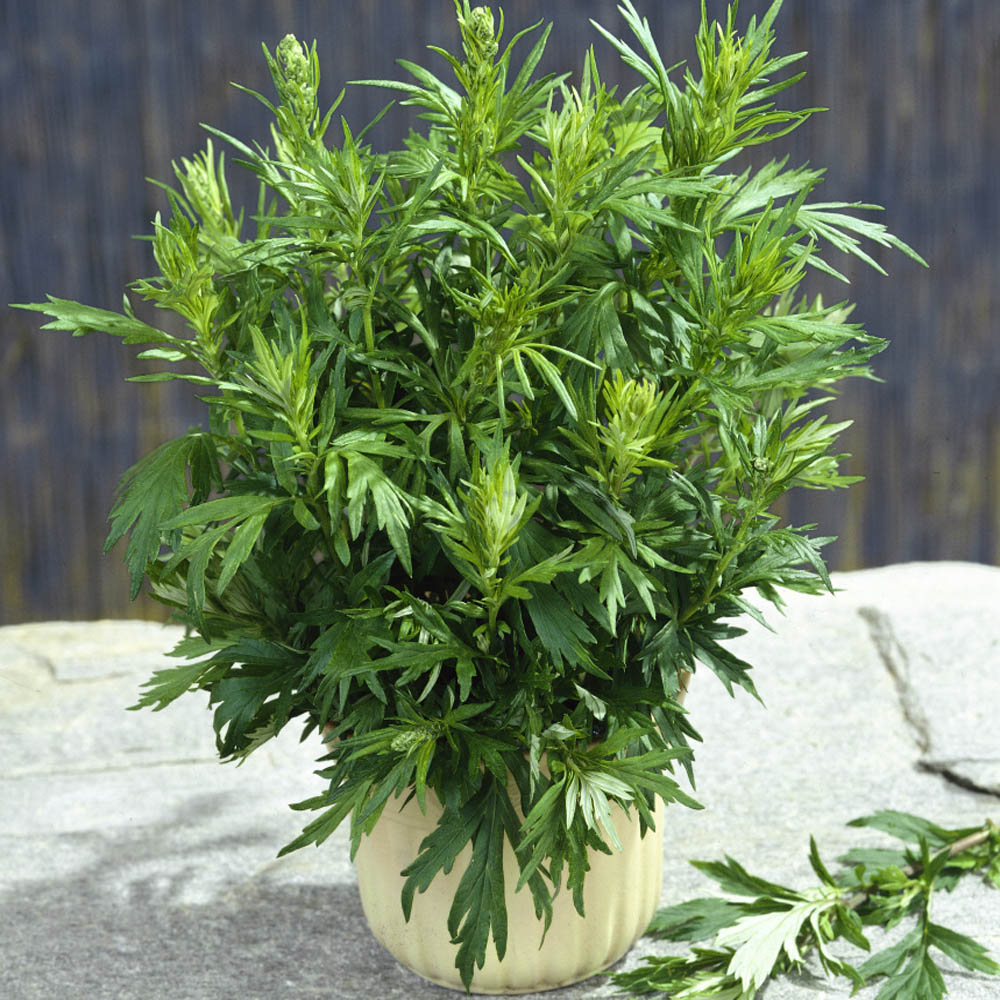
The deeply divided foliage displays a beautiful contrast of dark green upper surfaces and silvery undersides that shimmer in the breeze. Mature plants form impressive clumps that can reach 3 to 6 feet tall, creating a dramatic presence in the garden. During summer, delicate clusters of small flowers appear, attracting pollinators and beneficial insects.
Historically, Mugwort was one of the most widely used herbs in Europe. It was commonly grown in monastery gardens, cottage gardens, and medicinal herb collections. The aromatic leaves have been used for teas, sachets, potpourris, ceremonial purposes, and traditional herbal preparations for centuries.
In the garden, Mugwort is appreciated for its drought tolerance, adaptability, and ornamental foliage. It thrives in a wide range of conditions and provides season-long interest with very little maintenance.
Uses and Benefits- Traditional herb with thousands of years of history.
- Attractive silver-green aromatic foliage.
- Excellent ornamental perennial.
- Useful for herbal gardens and historical plant collections.
- Traditionally used in teas and herbal preparations.
- Excellent for sachets and potpourri.
- Attracts pollinators and beneficial insects.
- Drought tolerant once established.
- Thrives in poor soils and difficult conditions.
- Useful in naturalized and cottage gardens.
- Deer and rabbit resistant.
- Returns reliably year after year.
Mugwort is a hardy perennial in USDA Zones 3-9.
Germination Instructions- Start seeds indoors 6-8 weeks before the last frost or sow outdoors after danger of frost has passed.
- Press seeds lightly onto the soil surface.
- Do not cover deeply, as light aids germination.
- Maintain temperatures between 65-75°F (18-24°C).
- Keep soil evenly moist during germination.
- Seeds typically germinate in 14-28 days.
- Provide bright light after seedlings emerge.
- Plant in full sun to partial shade.
- Prefers well-drained soil.
- Tolerates drought and poor soils once established.
- Cut back plants in late winter or early spring.
- Excellent for herb gardens, cottage gardens, and naturalized areas.
- Allow room for mature growth.
- Divide plants every few years if desired.
Mugwort can be grown successfully in large containers, which is often beneficial because it helps control the plant's vigorous growth. Choose a container at least 14-18 inches deep and wide with good drainage. Container growing allows gardeners to enjoy the attractive foliage and historical significance of Mugwort while keeping its spreading habit under control.
Combining striking silver-green foliage, drought tolerance, historical importance, and ease of cultivation, Mugwort remains one of the most fascinating herbs available to gardeners. Whether grown for its ornamental beauty, traditional uses, pollinator value, or place in herbal history, Mugwort provides years of interest and enjoyment.
For over a thousand more unique seed varieties, all in stock and ready to ship, visit our Seed Catalog Index Page .

Contact Us | Privacy Policy | About Us
Serving gardeners since 1992
State of Mississippi Seedmen's Permit #C-391, Ohio 90152, Minnesota 20086777