
Cabbage Tree Palm Seeds
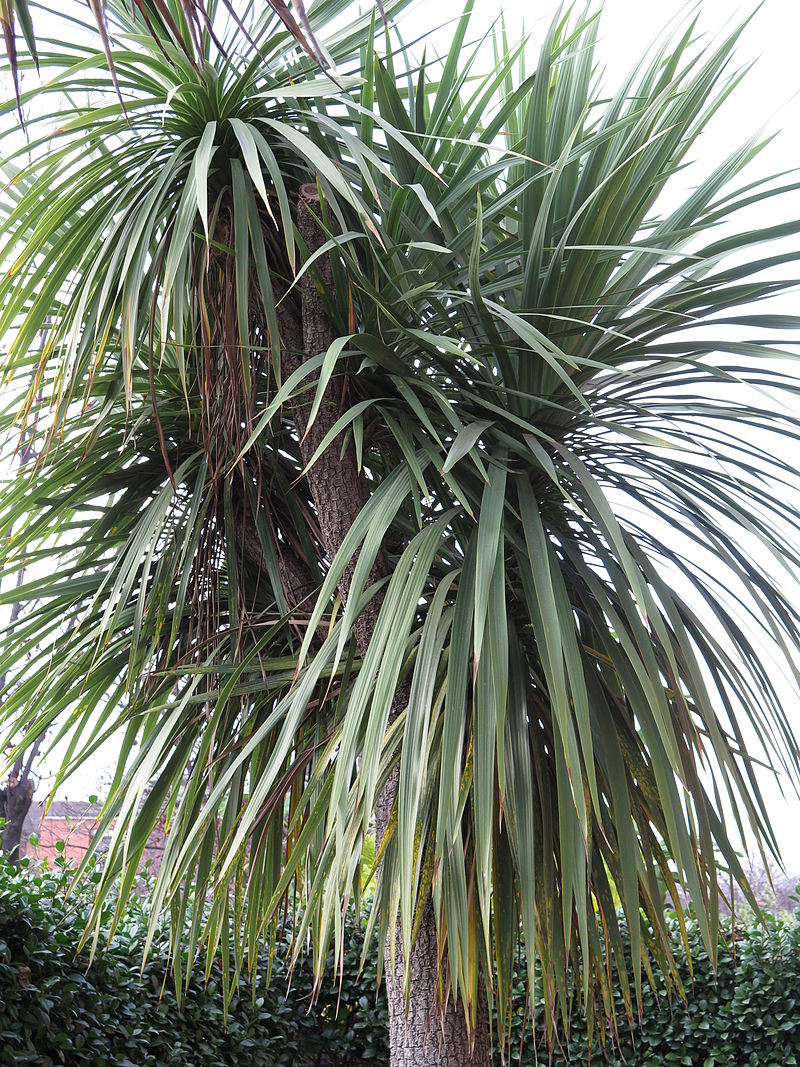
Cabbage Tree Palm, botanically known as Cordyline australis, is a striking architectural plant that brings a dramatic tropical appearance to homes, patios, conservatories, and sunrooms. Despite its common name, it is not a true palm, but its slender trunk and fountain-like crown of sword-shaped leaves create a palm-like silhouette that has made it a favorite ornamental plant around the world.
Native to New Zealand, this remarkable species combines rugged durability with exotic beauty. Its bold foliage, distinctive branching habit, and easy-going nature make it an outstanding choice for container culture and indoor growing.
Why Grow Cabbage Tree Palm?- Creates a dramatic tropical appearance indoors.
- Unique palm-like form with architectural appeal.
- Excellent specimen plant for containers.
- Adaptable and easy to grow.
- Long-lived and highly ornamental.
- Outstanding focal point for bright rooms and sunrooms.
Although commonly called a palm, Cordyline australis belongs to an entirely different plant family. Its palm-like appearance comes from its upright trunk and crown of narrow leaves, but botanically it is more closely related to other Cordylines and ornamental foliage plants than to true palms.
This distinction surprises many gardeners who first encounter the species.
A Symbol of New ZealandCabbage Tree Palm is one of New Zealand's most iconic native plants. In its homeland, it can be seen growing across open landscapes, river valleys, coastal areas, and farmland, often standing as a distinctive landmark visible from great distances.
Its unusual form has made it one of the country's most recognizable native plants.
The Origin of the NameThe common name "Cabbage Tree" comes from the edible growing tip found at the center of the plant. Early settlers and indigenous Maori people occasionally used portions of the plant as a food source, although today it is valued primarily as an ornamental specimen.
The species has a long history of practical and cultural significance in New Zealand.
Growing as a Houseplant- Light: Bright light with some direct sun.
- Water: Water regularly but allow slight drying between waterings.
- Soil: Well-drained potting mix.
- Humidity: Adaptable to average household conditions.
- Temperature: Prefers mild to warm temperatures.
- Fertilizer: Feed during active growth.
Cabbage Tree Palm performs exceptionally well in large decorative containers. Young plants develop attractive rosettes of foliage, while older specimens gradually form trunks that create the dramatic tree-like appearance for which the species is famous.
Container culture allows gardeners to enjoy its tropical appearance even in regions where outdoor cultivation is limited by climate.
Indoor Decorating ValueFew plants create such a strong architectural statement. The long, narrow leaves provide a striking contrast to broad-leaved tropical plants and flowering houseplants.
Its upright form makes it particularly useful in corners, entryways, offices, and bright living spaces where vertical interest is desired.
Flowers and FragranceMature outdoor specimens may eventually produce large sprays of fragrant creamy-white flowers that attract pollinators. These blooms are followed by decorative berries that are enjoyed by birds.
While flowering is less common indoors, the foliage alone makes the plant highly desirable.
Seed GerminationSow seeds in a moist, well-drained growing medium and provide warmth and bright light. Maintain consistent moisture during germination. Seedlings establish steadily and gradually develop the characteristic strap-like leaves that make the species so distinctive.
Ratings
Architectural Appeal: ★★★★★
Houseplant Value: ★★★★☆
Container Performance: ★★★★★
Ease of Growing: ★★★★★
Conversation Value: ★★★★☆
In New Zealand, mature Cabbage Trees can live for many decades and often develop multiple branching trunks after flowering. Some specimens become treasured landscape landmarks that have stood for generations.
Cabbage Tree Palm combines tropical elegance, New Zealand heritage, and striking architectural beauty, making it one of the most distinctive foliage plants available for indoor and container growing.
For additional growing information, see our Cabbage Tree Palm Seeds AI fact sheet.
For over a thousand more unique seed varieties, all in stock and ready to ship, visit our Seed Catalog Index Page .

Contact Us | Privacy Policy | About Us
Serving gardeners since 1992
State of Mississippi Seedmen's Permit #C-391, Ohio 90152, Minnesota 20086777