
Cat Palm Seeds
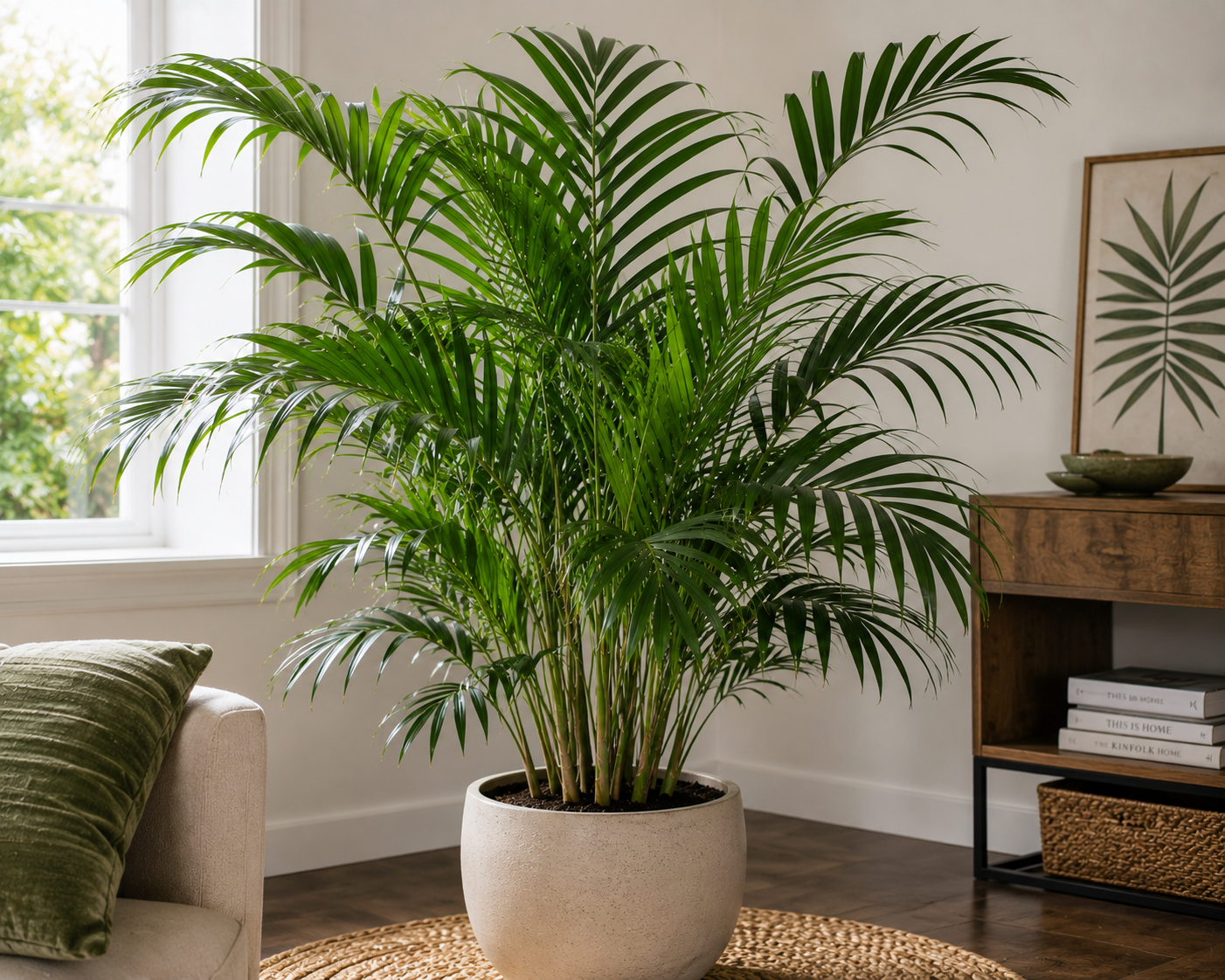
Cat Palm is one of the lushest and most attractive palms available for both indoor and outdoor cultivation. Native to southeastern Mexico where it naturally grows along streams and moist forest edges, this beautiful clustering palm is prized for its dense growth, graceful arching fronds, and exceptional adaptability.
Unlike many palms that develop a visible trunk, Chamaedorea cataractarum forms a thick fountain-like clump of rich green foliage that creates an immediate tropical effect. Its compact size and elegant appearance have made it one of the most popular palms for interiors, patios, and tropical landscapes.
Plant CharacteristicsCat Palm develops multiple stems arising from the base, creating a dense mound of arching feather-like fronds. Mature plants typically reach 4 to 8 feet in height and width, forming a lush, full specimen.
The rich green foliage is finer and denser than many other palms, giving the plant a soft, luxurious appearance.
Its naturally clumping habit creates the look of a miniature tropical oasis.
One of the Best Houseplant PalmsCat Palm is highly valued as a houseplant because of its attractive appearance and ability to adapt to indoor conditions.
It performs exceptionally well in:
- Living rooms.
- Sunrooms.
- Offices.
- Atriums.
- Hotel lobbies.
- Large decorative containers.
- Bright indoor corners.
Unlike many palms that can appear sparse indoors, Cat Palm develops a naturally full and dense appearance that requires little shaping.
Outdoor Landscape UsesIn frost-free regions, Cat Palm excels as a tropical accent plant, understory palm, patio specimen, poolside planting, foundation accent, or mass planting.
Its dense foliage makes it especially useful for softening walkways, walls, and landscape edges.
The outdoor image you requested demonstrates one of its greatest strengths—creating a lush tropical effect without requiring a large amount of space.
Cold HardinessCat Palm is generally suitable for USDA Zones 10-11.
It prefers warm conditions and should be protected from frost and prolonged cold weather.
Container GrowingThis species is exceptionally well suited to container culture and often remains attractive in containers for many years.
Use a rich, well-drained potting mix and maintain consistent moisture.
Unlike some palms, Cat Palm appreciates slightly more water than average, reflecting its natural habitat near streams and moist forest areas.
GerminationSow fresh seeds in a warm, moist growing medium and maintain temperatures between 80°F and 90°F.
Consistent warmth and humidity encourage successful germination.
Seedlings are relatively slow-growing initially but become vigorous once established.
Growing InformationCat Palm thrives in bright indirect light, partial shade, or filtered sunlight. Outdoors, it performs best in locations protected from intense afternoon sun.
Regular watering, fertile soil, and moderate humidity promote lush growth and rich green foliage.
Unlike many palms, it dislikes prolonged drought.
Wildlife ValueIn its native habitat, the flowers attract pollinating insects, while fruits may be utilized by birds and other wildlife.
Dense clumps can also provide shelter for small animals and beneficial insects.
Interesting Botanical FactsThe species name cataractarum refers to waterfalls and rushing water, a nod to the palm's natural preference for moist environments.
Unlike many palms, Cat Palm rarely develops an obvious trunk and instead maintains its attractive clumping habit throughout its life.
Its lush appearance often causes people to mistake it for multiple plants growing together.
Historical NotesCat Palm entered cultivation as tropical landscaping became increasingly popular during the twentieth century. Its adaptability and beauty quickly earned it a place among the most widely used landscape and interior palms.
Today it remains a staple of resorts, hotels, botanical gardens, and tropical-themed landscapes worldwide.
Growing TipDo not allow the soil to become completely dry for extended periods. Cat Palm appreciates consistent moisture and generally looks its best when evenly watered.
Seedman NoteCat Palm is one of the few palms that excels equally well as both a houseplant and a landscape specimen. Its dense foliage and naturally elegant form make it a favorite in virtually any tropical setting.
Additional Seedman NoteIf Parlour Palm represents Victorian elegance and Kentia Palm represents timeless sophistication, Cat Palm represents tropical abundance. The fountain of rich green foliage instantly transforms any space into a lush retreat. Whether growing indoors beside a sunny window or outdoors along a tropical pathway, Cat Palm consistently delivers the kind of beauty gardeners imagine when they think of paradise.
For over a thousand more unique seed varieties, all in stock and ready to ship, visit our Seed Catalog Index Page .