
Common Olive Seeds
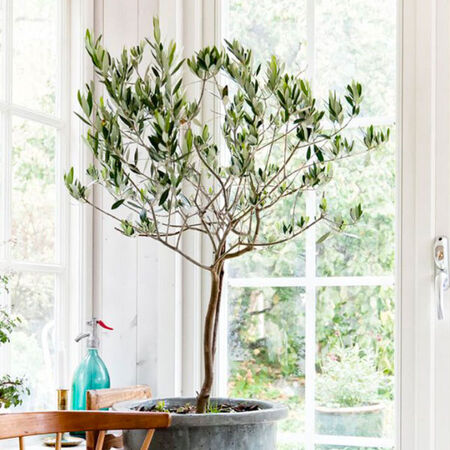
Common Olive is one of the oldest cultivated plants in human history and one of the most elegant small trees that can be grown indoors. With its silvery-green foliage, naturally gnarled trunk, and classic Mediterranean character, the Olive Tree brings timeless beauty and Old World charm to sunrooms, bright windows, and indoor gardens.
Unlike many tropical houseplants, the Olive Tree offers a refined architectural appearance that becomes increasingly attractive with age. Young plants make excellent houseplants, gradually developing the rugged trunk and graceful branching that have made olive trees symbols of peace, wisdom, and longevity for thousands of years.
Indoor Growing InformationOlive Trees require bright light and perform best when given as much direct sunlight as possible. A south-facing window, sunroom, enclosed porch, or conservatory provides ideal growing conditions. Supplemental grow lights can be beneficial during winter months in northern climates.
Allow the soil to dry slightly between waterings. Olive Trees are naturally drought tolerant and generally prefer slightly drier conditions than many common houseplants. Consistently soggy soil should be avoided.
With proper care, indoor Olive Trees can remain attractive for decades.
Container GrowingOlives adapt exceptionally well to container culture and are often grown in decorative pots throughout the Mediterranean region. Use a well-drained potting mix and a container with excellent drainage.
Young plants typically maintain a manageable size indoors and respond well to occasional pruning, making them easy to shape and maintain.
The naturally attractive branching habit also makes Olive Trees popular candidates for bonsai culture.
Temperature and HumidityIdeal temperatures range between 60°F and 80°F. Olive Trees tolerate warm indoor conditions well and generally prefer average household humidity levels.
Unlike many tropical plants, they do not require elevated humidity and often perform better in drier indoor environments.
Flowers and FruitMature plants may eventually produce clusters of small creamy-white flowers under favorable conditions. These blossoms can be followed by green olives that gradually mature and darken with time.
While indoor fruit production is not guaranteed, the possibility of harvesting olives from a houseplant adds an extra level of interest for many growers.
Seed GerminationFresh seeds germinate most reliably. Clean seeds thoroughly and sow approximately ½ inch deep in a well-drained growing medium. Maintain temperatures between 70°F and 80°F and keep the soil lightly moist.
Germination can be slow and may require several weeks or even months, depending upon seed quality and growing conditions.
Houseplant Uses- Mediterranean-themed indoor tree.
- Architectural floor specimen.
- Sunroom centerpiece.
- Bonsai candidate.
- Edible plant collection.
- Long-lived heirloom houseplant.
Olive Trees are among the longest-lived cultivated plants on Earth. Some ancient specimens growing around the Mediterranean are believed to be over 1,000 years old, with a few claimed to be more than 2,000 years old.
The silvery appearance of the leaves comes from tiny reflective scales that help the plant conserve moisture and tolerate intense sunlight.
Historical NotesOlive cultivation dates back more than 6,000 years and played a central role in the development of many ancient civilizations. Olive branches became symbols of peace in ancient Greece and remain powerful symbols today.
Throughout history, olives have provided food, oil, medicine, fuel, and economic prosperity to countless cultures around the world.
Growing TipProvide the brightest location available and rotate the container periodically to encourage balanced growth. Strong light produces denser foliage and helps maintain the compact shape that makes Olive Trees such attractive houseplants.
Seedman NoteFew houseplants offer the combination of beauty, history, and longevity found in the Olive Tree. Its silvery foliage and rugged character bring a touch of the Mediterranean indoors, while its remarkable lifespan makes it a plant that can be enjoyed for generations.
Additional Seedman NoteAn Olive Tree is more than just a houseplant—it's a living piece of history. Every leaf reflects a heritage stretching back thousands of years, and every branch carries the timeless symbolism of peace and endurance. For gardeners seeking a truly meaningful indoor tree, Common Olive remains one of the finest choices available.
For over a thousand more unique seed varieties, all in stock and ready to ship, visit our Seed Catalog Index Page .

Contact Us | Privacy Policy | About Us
Serving gardeners since 1992
State of Mississippi Seedmen's Permit #C-391, Ohio 90152, Minnesota 20086777