
Elephant Ear Fig Seeds
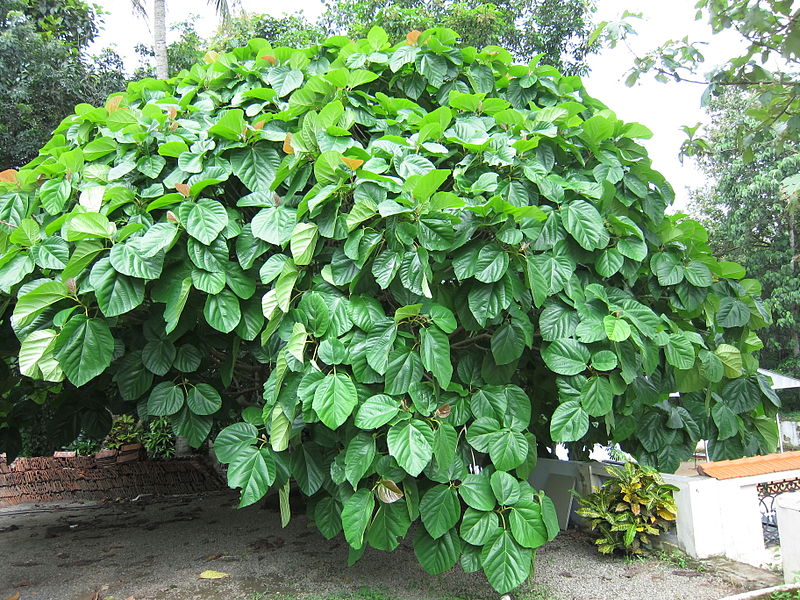

Elephant Ear Fig is one of the most dramatic foliage plants that can be grown indoors. Famous for its enormous rounded leaves that can resemble elephant ears, this tropical fig creates an instant focal point wherever it is displayed. The lush foliage, bold texture, and impressive size give it a distinctly tropical appearance that rivals many of the most popular indoor specimen plants.
Native to tropical regions of Asia, Ficus auriculata combines the toughness of other ficus species with some of the largest leaves found in the genus. Young plants adapt remarkably well to container culture and make outstanding houseplants for bright rooms, sunrooms, and conservatories.
Indoor Growing InformationElephant Ear Fig thrives in bright indirect light and benefits from several hours of gentle morning sun. A location near a bright south-facing or east-facing window provides ideal conditions. While it tolerates moderate light, brighter conditions encourage stronger growth and larger leaves.
Keep the soil consistently moist but never saturated. Allow the upper inch of soil to dry slightly between waterings. Consistent moisture encourages healthy foliage development and vigorous growth.
Young plants grow relatively quickly and can become impressive specimens within a few years.
Container GrowingUse a large container with excellent drainage and a rich, fertile potting mix. The plant develops an extensive root system and appreciates adequate growing space.
Container-grown plants can be maintained through occasional pruning and shaping. Regular repotting helps sustain vigorous growth and encourages larger leaves.
As plants mature, they become excellent floor specimens capable of transforming an ordinary room into a tropical retreat.
Temperature and HumidityIdeal temperatures range between 65°F and 85°F. Elephant Ear Fig enjoys warm conditions and should be protected from temperatures below 55°F.
Moderate to high humidity promotes the healthiest foliage. Bathrooms, sunrooms, and rooms with humidifiers often provide ideal environments.
Foliage and FruitThe enormous heart-shaped leaves are the primary attraction, often reaching impressive sizes even indoors. The foliage is rich green with prominent veins and a slightly textured surface.
Mature plants may occasionally produce unusual fig-like fruits that develop directly on older stems and branches, a fascinating characteristic known as cauliflory.
Seed GerminationSow seeds on the surface of a moist seed-starting mix and press lightly into the growing medium. Do not cover deeply, as light helps promote germination. Maintain temperatures between 75°F and 85°F while keeping the medium consistently moist.
Provide bright light and warm conditions after seedlings emerge.
Houseplant Uses- Tropical floor specimen.
- Sunroom centerpiece plant.
- Large foliage display.
- Conservatory collection plant.
- Architectural interior accent.
- Collector's tropical fig.
Elephant Ear Fig belongs to the same genus as the familiar edible fig, rubber tree, and banyan tree. However, its gigantic leaves make it one of the most visually distinctive members of the ficus family.
The species name auriculata refers to the ear-like shape of the leaves, which inspired its common name.
Historical NotesThroughout tropical Asia, Elephant Ear Fig has long been valued for both ornamental and practical purposes. In some regions, the fruits are consumed fresh or cooked, while the plant itself is admired for its dramatic appearance.
Botanical gardens worldwide frequently showcase this species because of its remarkable foliage and unusual fruiting habit.
Growing TipRotate the container regularly to encourage balanced growth and symmetrical leaf development. Occasional cleaning of the leaves helps maintain their glossy appearance and improves light absorption.
Seedman NoteFew houseplants can rival the sheer visual impact of Elephant Ear Fig. The massive tropical leaves create an instant jungle effect and provide a bold statement that draws attention from across the room.
Additional Seedman NoteIf Coffee Plant brings elegance and Olive Tree brings history, Elephant Ear Fig brings drama. Its gigantic leaves and lush tropical character make it one of the most unforgettable foliage plants in the entire Houseplant Collection. For gardeners seeking a true indoor showpiece, Elephant Ear Fig is difficult to surpass.
For additional growing information, see our Elephant Ear Fig Seeds AI fact sheet.
For over a thousand more unique seed varieties, all in stock and ready to ship, visit our Seed Catalog Index Page .

Contact Us | Privacy Policy | About Us
Serving gardeners since 1992
State of Mississippi Seedmen's Permit #C-391, Ohio 90152, Minnesota 20086777