
Kentucky Coffee Tree Seeds
Landscape Rating: ⭐⭐⭐⭐⭐ (5/5 Stars)
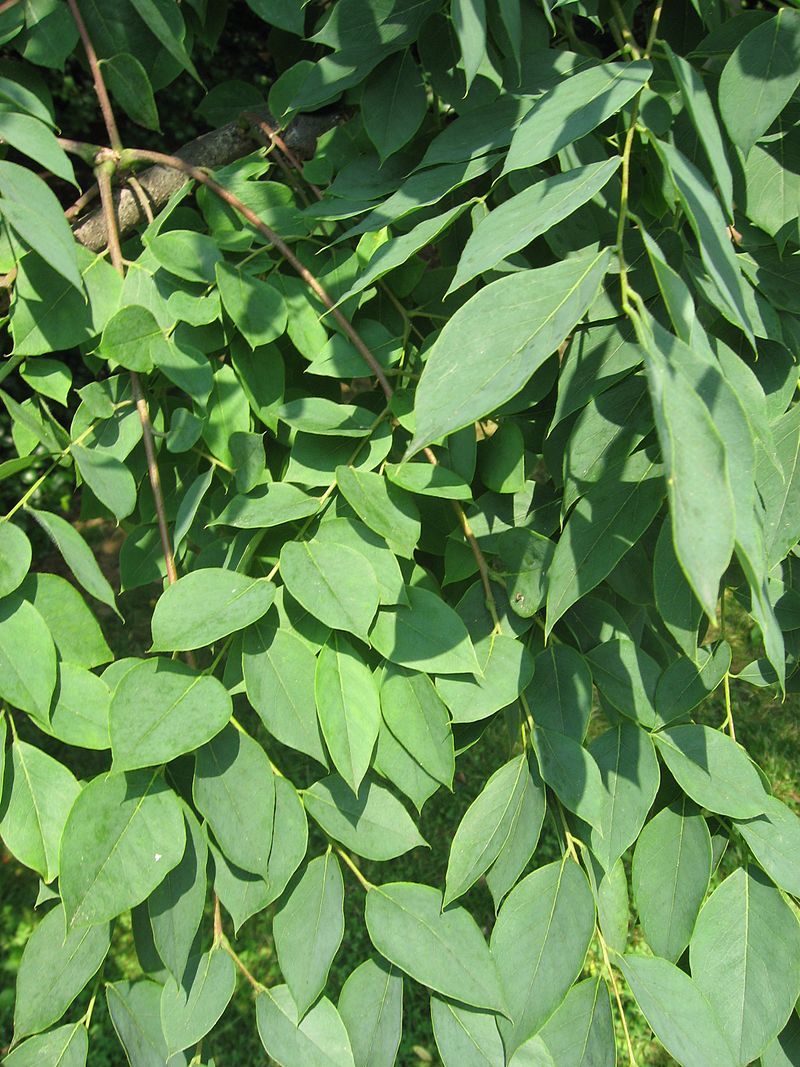
Plant CharacteristicsKentucky Coffee Tree is one of North America's most distinctive native shade trees. Native to the Midwest and eastern United States, this remarkable species is known for its bold branching structure, enormous compound leaves, rugged bark, and fascinating historical connection to early settlers.
Mature trees typically reach 60 to 80 feet in height with a broad, open crown that provides filtered shade. The huge bipinnate leaves can exceed two feet in length, creating a lush tropical appearance during the growing season despite the tree's excellent cold hardiness.
During winter, the tree reveals a striking architectural framework of thick branches and stout twigs, making it attractive even when dormant. Female trees may produce large dark seed pods that add further ornamental interest.
Its unique appearance makes Kentucky Coffee Tree one of the most memorable specimen trees available for lawns and parks.
Landscape Uses- Specimen lawn tree
- Large shade tree
- Estate landscapes
- Park plantings
- Native tree collections
- Street tree plantings
- Wildlife landscapes
- Historic gardens
The tree's bold texture and open canopy make it particularly effective as a lawn specimen where its unusual form can be fully appreciated.
Important Landscape NoteKentucky Coffee Tree leafs out later than many shade trees in spring and drops its leaves relatively early in autumn. This characteristic allows more sunlight to reach lawns and landscapes during spring and fall.
Germination Information- Scarify seeds by nicking or filing the hard seed coat.
- Soak seeds in warm water for 24 hours.
- Cold stratify for 60-90 days if desired.
- Sow approximately 1 inch deep.
- Maintain temperatures between 70-85°F.
- Germination typically occurs within 2-8 weeks.
- Botanical Name: Gymnocladus dioicus
- Plant Type: Deciduous Shade Tree
- USDA Zones: 3-8
- Sun Exposure: Full Sun
- Mature Height: 60-80 Feet
- Mature Spread: 40-60 Feet
- Growth Rate: Moderate
- Soil Preference: Adaptable, well-drained soils
- Water Requirements: Low to Moderate
Kentucky Coffee Tree adapts to a wide range of soil types and tolerates drought, urban conditions, heat, and pollution once established. Its toughness has made it increasingly popular as a modern landscape tree.
Container GrowingYoung seedlings can be grown in containers for several years, but the species ultimately requires permanent landscape planting due to its large mature size and deep root system.
Pollinator & Wildlife ValueThe spring flowers attract bees and other pollinating insects. Birds often utilize the tree's branching structure for nesting and shelter, while mature trees contribute significant habitat value to the landscape.
The open canopy also allows understory plants and native wildflowers to thrive beneath the tree.
Historical & Cultural SignificanceThe common name comes from early American settlers who roasted and ground the seeds as a coffee substitute. While the raw seeds and pods contain compounds that make them unsuitable for consumption, proper roasting was historically used to create a beverage resembling coffee.
Native American tribes were familiar with the tree long before European settlement, and its durable wood was occasionally used for tools and construction.
Today, the Kentucky Coffee Tree is valued more for its ornamental beauty and adaptability than its historical use as a coffee substitute.
Botanical Facts- Member of the Legume Family (Fabaceae).
- Native to central and eastern North America.
- Produces some of the largest leaves of any native tree.
- Develops large dark seed pods on female trees.
- Extremely tolerant of urban conditions.
- The species name "dioicus" refers to separate male and female trees.
Kentucky Coffee Tree offers a rare combination of toughness, beauty, and uniqueness. Its tropical-looking foliage, strong branch structure, and adaptability make it one of the finest native shade trees for modern landscapes.
Additional Seedman NoteMany botanists believe Kentucky Coffee Tree once relied on now-extinct Ice Age megafauna, such as mammoths and giant ground sloths, to disperse its large seeds. Today, gardeners and wildlife enthusiasts help continue the survival story of this fascinating "living relic" from North America's prehistoric past.
It has been noted that the bruised foliage when sprinkled with sweetened water will attract and kill flies.
For over a thousand more unique seed varieties, all in stock and ready to ship, visit our Seed Catalog Index Page .

Contact Us | Privacy Policy | About Us
Serving gardeners since 1992
State of Mississippi Seedmen's Permit #C-391, Ohio 90152, Minnesota 20086777