
Korean Kousa Dogwood Seeds
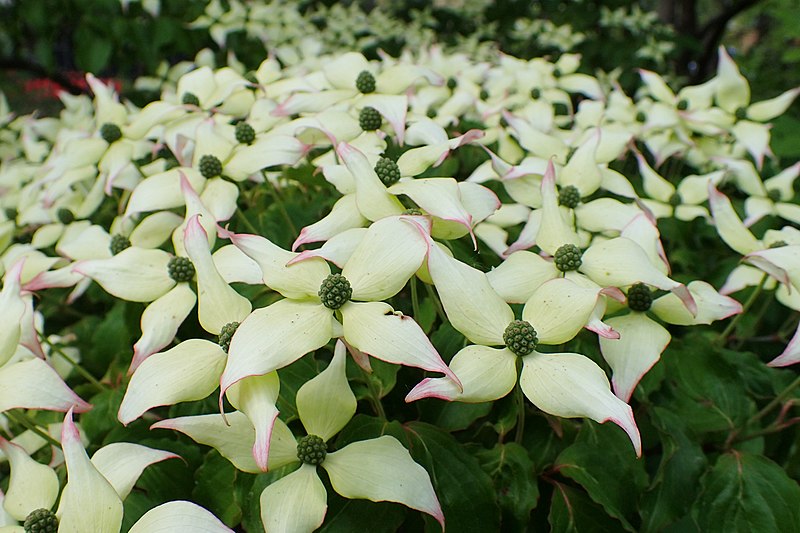
Korean Kousa Dogwood is one of the most beautiful flowering trees for home landscapes, prized for its spectacular floral display, attractive edible fruits, brilliant fall color, and exceptional disease resistance. Native to Korea, China, and Japan, Cornus kousa has become one of the most sought-after ornamental trees for gardeners seeking year-round beauty and reliable performance.
In late spring and early summer, the tree becomes covered with large creamy-white flower bracts that appear to float above the foliage. Unlike many flowering dogwoods that bloom before leaf emergence, Kousa Dogwood flowers after the leaves have developed, creating a striking layered effect that can last for weeks.
Following the flowering display, unusual raspberry-like fruits develop. These round red fruits are edible when fully ripe and have a sweet, tropical flavor often compared to a blend of mango, apricot, and persimmon. Birds and wildlife are also highly attracted to the fruits.
As autumn arrives, the foliage transforms into brilliant shades of red, scarlet, orange, and burgundy, providing one final spectacular display before winter. Mature trees develop attractive mottled bark that adds year-round ornamental interest.
Uses- Ornamental specimen tree.
- Edible landscaping.
- Wildlife gardens.
- Pollinator plantings.
- Small shade tree.
- Woodland garden accents.
- Landscape focal point.
- Bird-friendly gardens.
- Remove seeds from fully ripe fruit.
- Clean away all pulp thoroughly.
- Mix seeds with moist peat moss or vermiculite.
- Cold stratify for 90-120 days at 35-40°F (2-4°C).
- Sow seeds 1/4 inch deep in a well-drained seed-starting mix.
- Keep soil evenly moist.
- Provide bright indirect light.
- Germination may occur gradually over several weeks.
- Botanical Name: Cornus kousa
- Plant Type: Deciduous flowering tree
- USDA Zones: 5-8
- Sun Exposure: Full sun to partial shade
- Soil: Rich, well-drained soil
- Water: Moderate moisture
- Height: 15-30 feet
- Spread: 15-25 feet
- Growth Rate: Moderate
- Bloom Time: Late spring to early summer
Kousa Dogwood performs best in fertile, well-drained soils with regular moisture. Once established, it is more drought tolerant and generally more disease resistant than many native flowering dogwoods, making it an excellent choice for a wide range of landscapes.
Edible FruitOne of the lesser-known features of Kousa Dogwood is its unusual edible fruit. The strawberry-like fruits ripen to red and contain a sweet, custard-like pulp. While not commonly sold in stores, they are enjoyed fresh by gardeners and wildlife alike.
Wildlife ValueThe flowers attract bees and other pollinators, while the fruits provide food for songbirds, squirrels, and other wildlife. The dense branching structure also offers shelter and nesting sites for birds.
Special Features- Spectacular flowering display.
- Produces edible fruits.
- Outstanding fall color.
- Attractive exfoliating bark.
- Excellent disease resistance.
- Wildlife-friendly.
- Four-season ornamental interest.
- Ideal specimen tree.
Kousa Dogwood has been cultivated in Asia for centuries and was introduced to Western gardens during the nineteenth century. Today it is widely planted as an ornamental tree and is often recommended as an alternative to native flowering dogwoods in areas where dogwood diseases are problematic.
The species name kousa comes from a Japanese name for the plant, reflecting its long history of cultivation in East Asia.
Seedman Growing NoteMany gardeners plant Kousa Dogwood for its spectacular flowers and never realize the fruits are edible. While the fruits are somewhat messy to harvest because of their soft texture, they are surprisingly sweet and enjoyable when fully ripe.
Another advantage is the tree's excellent disease resistance. Kousa Dogwood generally experiences fewer problems with Dogwood Anthracnose than many native dogwoods, making it a dependable landscape performer.
Korean Kousa Dogwood (Cornus kousa) offers beauty in every season—from spring flowers and summer fruits to brilliant autumn foliage and attractive winter bark. It is one of the finest ornamental trees available for home gardens and landscapes.
For additional growing information, see our Korean Kousa Dogwood Seeds AI fact sheet.
For over a thousand more unique seed varieties, all in stock and ready to ship, visit our Seed Catalog Index Page .

Contact Us | Privacy Policy | About Us
Serving gardeners since 1992
State of Mississippi Seedmen's Permit #C-391, Ohio 90152, Minnesota 20086777