
Vicenza Blue Lavender Seeds
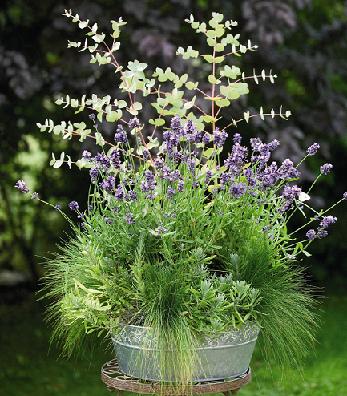
Vicenza Blue (Lavandula angustifolia 'Vicenza Blue') is a compact English lavender distinguished by its rich violet-blue flower spikes, exceptionally fragrant silver-gray foliage, and outstanding garden performance. Named after the beautiful Italian city of Vicenza, this elegant variety combines classic lavender fragrance with a dense, uniform growth habit that makes it equally at home in borders, herb gardens, containers, and pollinator plantings. From late spring through midsummer, graceful flower stems rise above neat mounds of aromatic foliage, filling the garden with both color and the unmistakable scent of true lavender.
Growing into tidy rounded plants approximately 12 to 18 inches tall, Vicenza Blue offers the beauty of traditional English lavender in a compact form that's easy to incorporate into gardens of every size. Its abundant blooms attract countless bees and butterflies, while the highly aromatic flowers are prized for drying, potpourri, sachets, wreaths, and fresh-cut arrangements. Once established, this hardy perennial provides years of dependable beauty with remarkably little maintenance.
Garden Uses
Vicenza Blue is ideal for herb gardens, cottage gardens, Mediterranean landscapes, rock gardens, pollinator gardens, borders, edging, fragrance gardens, and decorative containers. Its compact habit makes it particularly effective along walkways, patios, and entryways where visitors can enjoy its soothing fragrance.
The vivid blue flower spikes pair beautifully with roses, thyme, rosemary, salvia, catmint, echinacea, yarrow, dianthus, gaura, ornamental grasses, and other drought-tolerant perennials. The flowers are also excellent for dried arrangements, lavender wands, sachets, soaps, and culinary use.
Growing Information
Vicenza Blue grows best in full sun and sharply drained soil. Sandy, gravelly, rocky, or slightly alkaline soils are ideal, while poorly drained or consistently wet locations should be avoided. Mature plants generally reach 12 to 18 inches in height with a spread of 14 to 18 inches.
Seeds may be started indoors 8 to 10 weeks before the last expected frost. Surface sow or cover very lightly, as light aids germination. Cold stratification for 2 to 4 weeks may improve germination rates. Maintain temperatures between 65 and 70°F while keeping the growing medium lightly moist. Germination generally occurs within 14 to 30 days.
Once established, water sparingly and avoid excessive fertilization, which encourages lush foliage at the expense of flowers and fragrance. Lightly prune after flowering to maintain a dense, rounded habit and promote vigorous new growth. Avoid pruning deeply into mature woody stems.
For over a thousand more unique seed varieties, all in stock and ready to ship, visit our Seed Catalog Index Page .

Contact Us | Privacy Policy | About Us
Serving gardeners since 1992
State of Mississippi Seedmen's Permit #C-391, Ohio 90152, Minnesota 20086777