
Black Elderberry Seeds
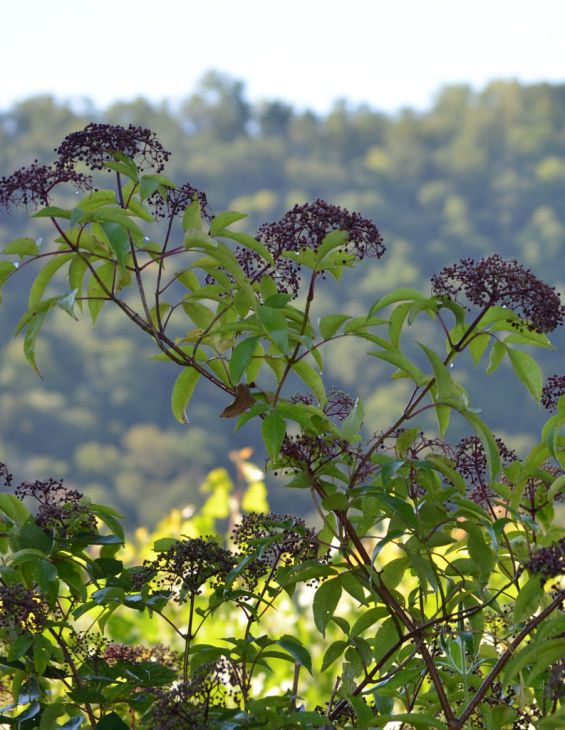
Landscape Rating: ⭐⭐⭐⭐⭐ (5/5 Stars)
Plant CharacteristicsAmerican Black Elderberry is one of North America's most valuable native shrubs, prized for its ornamental beauty, wildlife value, fragrant flowers, and highly useful berries. This vigorous deciduous shrub typically grows 6 to 12 feet tall and wide, forming a dense multi-stemmed plant with graceful arching branches and attractive compound foliage.
In early to midsummer, large flat-topped clusters of creamy white flowers cover the plant, creating a spectacular display while filling the garden with a pleasant fragrance. These blooms are followed by heavy clusters of glossy purple-black berries that ripen in late summer and attract an abundance of birds and wildlife.
Throughout the growing season, Elderberry provides beauty, shade, fragrance, and food, making it one of the most rewarding native shrubs for the landscape.
Landscape Uses- Specimen lawn shrub
- Wildlife gardens
- Naturalized plantings
- Pollinator gardens
- Rain gardens
- Native plant landscapes
- Edible landscapes
- Property borders and screens
American Black Elderberry works exceptionally well as a specimen shrub while also blending naturally into woodland and meadow-style landscapes.
Important Landscape NoteElderberry grows rapidly and can become a substantial shrub within only a few years. It performs best with adequate moisture and benefits from occasional pruning to maintain shape and encourage vigorous new growth.
Germination Information- Seeds benefit from warm stratification followed by cold stratification.
- Mix seeds with moist medium and maintain warm temperatures for 60 days.
- Follow with 90-120 days of cold stratification at 35-40°F.
- Sow approximately ¼ inch deep.
- Keep evenly moist during germination.
- Germination may occur over several weeks or months.
- Botanical Name: Sambucus canadensis
- Plant Type: Deciduous Native Shrub
- USDA Zones: 3-9
- Sun Exposure: Full Sun to Partial Shade
- Mature Height: 6-12 Feet
- Mature Spread: 6-12 Feet
- Growth Rate: Fast
- Soil Preference: Moist, fertile soils
- Water Requirements: Moderate
American Black Elderberry thrives in moist soils and is commonly found growing naturally along streams, pond edges, fence rows, and woodland margins. It tolerates occasional flooding and adapts well to a variety of soil types.
Container GrowingYoung Elderberry plants can be grown successfully in large containers for several years. Due to their vigorous growth and eventual size, permanent landscape planting is recommended for best long-term performance and fruit production.
Pollinator & Wildlife ValueFew native shrubs rival Elderberry for wildlife benefits. The large flower clusters attract bees, butterflies, hoverflies, and numerous beneficial insects. The ripe berries provide an important late-summer food source for songbirds, game birds, and small mammals.
More than fifty species of birds have been documented feeding on elderberries, making this one of the finest wildlife shrubs available.
Historical & Cultural SignificanceAmerican Black Elderberry has been used by Native American tribes for centuries as a food, medicinal, and utility plant. The berries were used for preserves, beverages, and dyes, while the hollow stems were fashioned into flutes, whistles, and blowguns.
European settlers quickly adopted Elderberry for wines, syrups, jams, pies, and traditional remedies. It remains one of the most widely recognized medicinal and culinary native fruits in North America.
Botanical Facts- Member of the Adoxaceae family.
- Native throughout much of North America.
- Produces large flat-topped flower clusters known as cymes.
- Berries are rich in antioxidants and natural pigments.
- Flowers are often used to make teas, cordials, and fritters.
- One mature shrub can produce many pounds of fruit annually.
If you are looking for a shrub that combines ornamental beauty, pollinator value, wildlife benefits, edible fruit, and historical significance, American Black Elderberry is one of the finest native plants available. It offers year-round interest while supporting an incredible diversity of beneficial wildlife.
Additional Seedman NoteDuring peak berry season, a mature Elderberry can become one of the busiest plants in the landscape. Birds often arrive in waves to harvest the fruit, creating a constantly changing display of wildlife activity. Combined with its spectacular flowers and rich history, Elderberry remains one of North America's true landscape treasures.
For over a thousand more unique seed varieties, all in stock and ready to ship, visit our Seed Catalog Index Page .

Contact Us | Privacy Policy | About Us
Serving gardeners since 1992
State of Mississippi Seedmen's Permit #C-391, Ohio 90152, Minnesota 20086777