
Jellybean Tree Seeds
Landscape Rating: ⭐⭐⭐⭐½ (4.5/5 Stars)
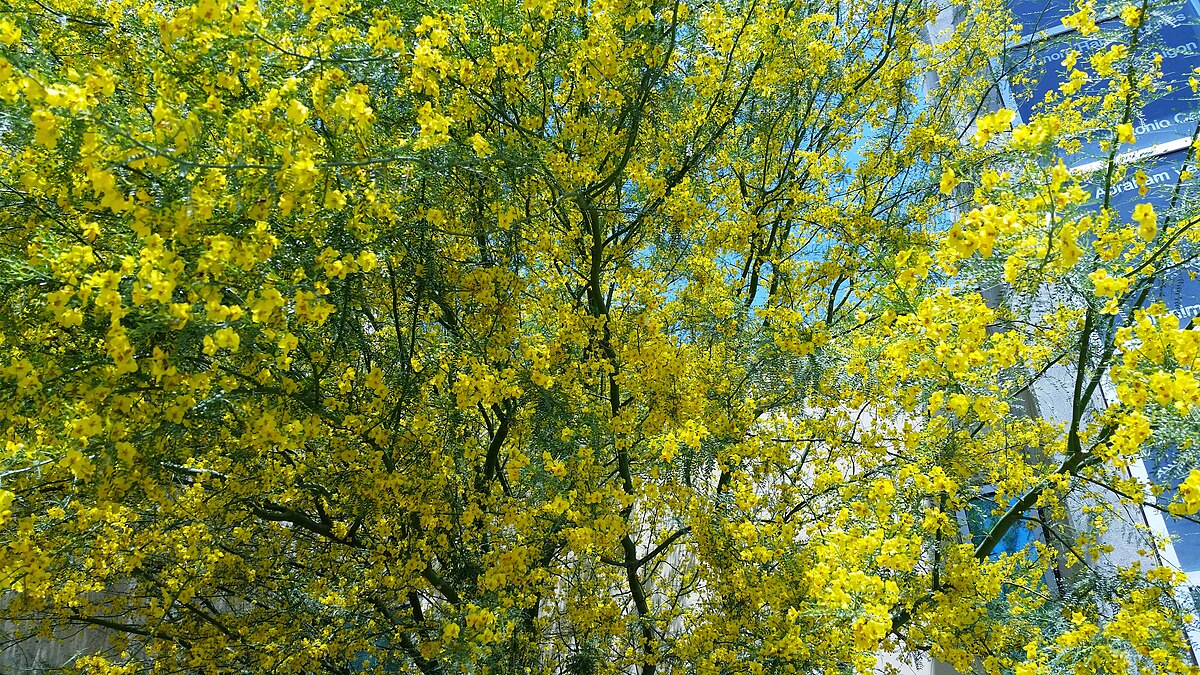
Plant CharacteristicsJelly Bean Tree, also known as Jerusalem Thorn, is a striking small ornamental tree native to the Americas that thrives in hot, sunny climates. This graceful tree typically grows 15 to 30 feet tall with an open, airy canopy composed of slender green branches and delicate, fern-like foliage. Throughout much of the warm season, it produces masses of cheerful golden-yellow flowers often marked with orange or reddish accents.
The tree's bright green stems remain photosynthetically active even during drought, allowing it to stay attractive when many other landscape plants struggle. Long, narrow seed pods follow the flowers and may persist on the tree for extended periods, adding further ornamental interest.
Landscape Uses- Specimen lawn tree
- Xeriscape landscapes
- Desert gardens
- Southwestern-themed landscapes
- Drought-tolerant plantings
- Wildlife gardens
- Accent tree for patios
- Roadside and median plantings
Its airy canopy provides filtered shade without creating heavy darkness beneath the tree, making it especially useful around patios, walkways, and outdoor living spaces.
Important Landscape NoteJelly Bean Tree performs best in warm climates and excellent drainage. The species develops sharp thorns along its branches, so care should be taken when placing it near walkways, children's play areas, or heavily trafficked locations.
Germination Information- Seeds possess a hard seed coat and benefit from scarification.
- Nick the seed coat or soak seeds in hot water for 24 hours.
- Sow approximately ¼ to ½ inch deep.
- Maintain temperatures of 75-90°F.
- Keep soil lightly moist.
- Germination generally occurs within 1-4 weeks.
- Botanical Name: Parkinsonia aculeata
- Plant Type: Flowering Ornamental Tree
- USDA Zones: 8-11
- Sun Exposure: Full Sun
- Mature Height: 15-30 Feet
- Mature Spread: 15-25 Feet
- Growth Rate: Fast
- Soil Preference: Well-drained soils
- Water Requirements: Low
Once established, Jelly Bean Tree is exceptionally drought tolerant and thrives in sandy, rocky, or poor soils where many ornamental trees fail. It flourishes under intense heat and full sun conditions.
Container GrowingYoung specimens can be grown in large containers for several years. However, the tree's rapid growth and eventual size make landscape planting the preferred long-term option. Container-grown trees require excellent drainage and occasional pruning to maintain shape.
Pollinator & Wildlife ValueThe abundant yellow flowers attract bees, butterflies, and numerous beneficial pollinators throughout the blooming season. Birds frequently utilize the branches for nesting and shelter, while the tree's canopy provides cover for wildlife in otherwise open landscapes.
Historical & Cultural SignificanceJelly Bean Tree has long been valued throughout arid regions of the Americas for its ability to thrive where few trees can survive. Early settlers and ranchers often planted it near homes and water sources for shade and ornamental value.
The species became particularly popular in desert communities during the twentieth century as water conservation became increasingly important. Today it remains one of the signature flowering trees of many Southwestern landscapes.
Botanical Facts- Member of the Legume Family (Fabaceae).
- Closely related to palo verde trees.
- Green bark performs photosynthesis during drought periods.
- Produces fragrant yellow flowers over a long season.
- Develops long seed pods after flowering.
- Highly tolerant of heat, drought, and poor soils.
For gardeners in warm climates seeking a flowering tree that combines beauty with extreme drought tolerance, Jelly Bean Tree is difficult to surpass. Its graceful habit, bright flowers, and resilience make it one of the finest choices for water-wise landscapes.
Additional Seedman NoteThe common name "Jelly Bean Tree" comes from its distinctive seed pods, which resemble strings of elongated jelly beans when mature. Combined with the tree's clouds of golden flowers, these unusual pods create a landscape specimen that draws attention throughout much of the year.