
Ornamental Jetbead Lawn Shrub Seeds
Landscape Rating: ⭐⭐⭐⭐½ (4.5/5 Stars)
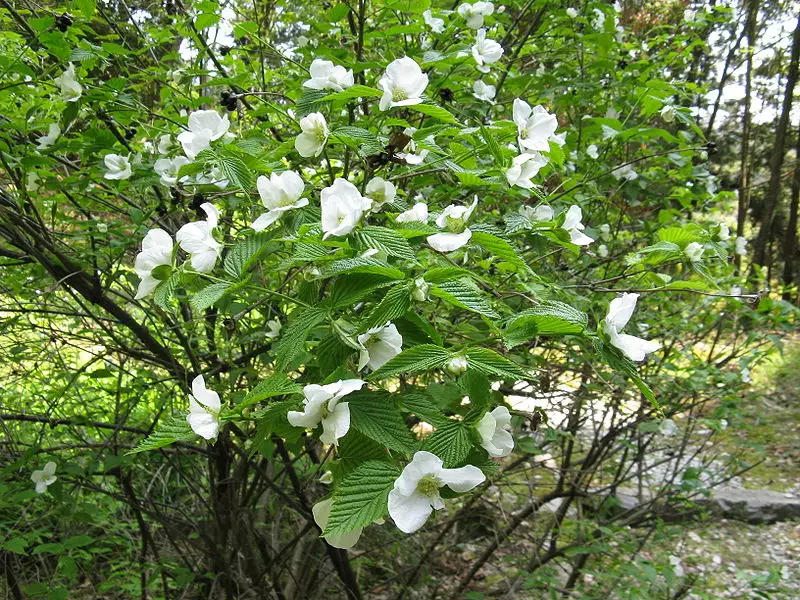
Plant CharacteristicsJetbead is an attractive, easy-care deciduous flowering shrub prized for its graceful arching branches, abundant spring blooms, and unusual glossy black fruits. Native to China, Korea, and Japan, this elegant shrub typically reaches 4 to 8 feet in height and width, forming a rounded, fountain-like shape that works beautifully in both formal and naturalistic landscapes.
In late spring, Jetbead becomes covered with masses of bright white four-petaled flowers that resemble small single roses. Unlike many spring-flowering shrubs, the blooms are produced over an extended period, creating a long-lasting display. Following flowering, shiny jet-black berries develop and persist well into winter, providing ornamental interest long after the leaves have fallen.
Landscape Uses- Specimen lawn shrub
- Foundation plantings
- Woodland gardens
- Naturalized landscapes
- Mixed shrub borders
- Pollinator gardens
- Shade gardens
- Historic and cottage gardens
Jetbead performs exceptionally well as a standalone specimen where its arching form, spring flowers, and decorative fruit can be fully appreciated.
Important Landscape NoteJetbead is highly adaptable and tolerant of both sun and partial shade. It requires little maintenance and is remarkably resistant to pests and diseases. Older plants may slowly spread by suckers, creating attractive colonies if allowed to naturalize.
Germination Information- Seeds benefit from cold stratification for 60-90 days.
- Sow seeds approximately ¼ inch deep.
- Use a moist, well-drained germination medium.
- Maintain temperatures of 65-75°F after stratification.
- Germination can be somewhat irregular and may require patience.
- Botanical Name: Rhodotypos scandens
- Plant Type: Deciduous Flowering Shrub
- USDA Zones: 4-8
- Sun Exposure: Full Sun to Partial Shade
- Mature Height: 4-8 Feet
- Mature Spread: 4-8 Feet
- Growth Rate: Moderate
- Soil Preference: Adaptable, well-drained soils
- Water Requirements: Moderate
Jetbead tolerates a wide range of soil types and growing conditions. It performs best in fertile, moderately moist soils but adapts well to average garden conditions. Once established, it demonstrates good drought tolerance.
Container GrowingYoung Jetbead plants can be successfully grown in large containers for several years. Container-grown specimens make attractive patio accents, particularly during flowering season. Long-term growth is best achieved when plants are eventually transplanted into the landscape.
Pollinator & Wildlife ValueThe abundant spring flowers attract bees, butterflies, and other beneficial pollinators. Birds occasionally utilize the shrub for nesting cover, while the dense branching provides shelter throughout the year. Although the berries are not a primary wildlife food source, they add seasonal interest and contribute to garden biodiversity.
Historical & Cultural SignificanceJetbead has been cultivated in ornamental gardens since the nineteenth century and became popular in Victorian landscapes due to its reliability, graceful habit, and long season of interest. It remains a favorite among collectors of unusual flowering shrubs and gardeners seeking low-maintenance landscape plants.
Its common name derives from the highly polished black fruits, which resemble small beads of jet, a gemstone-like material historically used in jewelry and decorative carvings.
Botanical Facts- Member of the Rose Family (Rosaceae).
- Native to East Asia.
- Produces distinctive four-petaled flowers rather than the five petals common to many rose relatives.
- The glossy black fruits often persist well into winter.
- Closely related to Kerria and other ornamental flowering shrubs.
- Highly resistant to most common shrub pests and diseases.
Jetbead is one of those overlooked landscape treasures that deserves far more attention. It offers attractive flowers, handsome foliage, decorative fruit, and exceptional adaptability while requiring very little care. For gardeners seeking a dependable flowering shrub with multi-season interest, Jetbead is an outstanding choice.
Additional Seedman NoteOne of Jetbead's most unusual characteristics is its combination of bright white flowers followed by shiny black fruits. Very few ornamental shrubs produce such a striking color contrast during the growing season, making it a distinctive addition to specimen plantings and collector gardens.
For additional growing information, see our Ornamental Jetbead Lawn Shrub Seeds AI fact sheet.
For over a thousand more unique seed varieties, all in stock and ready to ship, visit our Seed Catalog Index Page .

Contact Us | Privacy Policy | About Us
Serving gardeners since 1992
State of Mississippi Seedmen's Permit #C-391, Ohio 90152, Minnesota 20086777