
Redbud Tree Seeds
Landscape Rating: ⭐⭐⭐⭐⭐ (5/5 Stars)
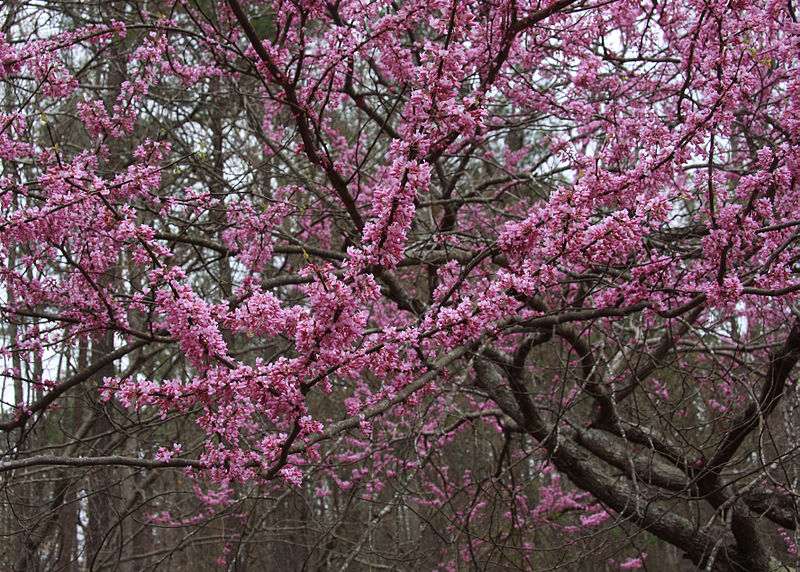
Plant CharacteristicsEastern Redbud is one of North America's most beloved flowering trees and is often considered the unofficial herald of spring. Native throughout much of the eastern United States, this small ornamental tree bursts into bloom before its leaves emerge, covering every branch with thousands of brilliant rosy-pink blossoms.
Typically growing 20 to 30 feet tall with a broad rounded crown, Redbud develops an elegant branching structure that provides year-round beauty. The heart-shaped leaves emerge shortly after flowering, creating a lush canopy of fresh green foliage that often turns golden-yellow in autumn.
One of the tree's most fascinating characteristics is its tendency to produce flowers directly from older branches and even the trunk itself, a botanical trait known as cauliflory.
When planted as a specimen lawn tree, Redbud delivers one of the most spectacular spring displays available in temperate landscapes.
Landscape Uses- Specimen lawn tree
- Spring flowering focal point
- Native plant landscapes
- Woodland gardens
- Pollinator gardens
- Entryway accent tree
- Courtyard plantings
- Small property shade tree
Its manageable size and exceptional spring bloom make Redbud one of the finest ornamental trees for residential landscapes.
Important Landscape NoteEastern Redbud performs best when planted where its spring flowers can be viewed from windows, patios, walkways, or entrances. The brief but spectacular bloom period makes it one of the most anticipated seasonal events in the garden.
Germination Information- Scarify seeds lightly or soak in hot water.
- Cold stratify for 60-90 days.
- Sow approximately ¼ to ½ inch deep.
- Maintain temperatures between 65-75°F.
- Keep evenly moist.
- Germination generally occurs within several weeks after stratification.
- Botanical Name: Cercis canadensis
- Plant Type: Deciduous Flowering Tree
- USDA Zones: 4-9
- Sun Exposure: Full Sun to Partial Shade
- Mature Height: 20-30 Feet
- Mature Spread: 20-35 Feet
- Growth Rate: Moderate
- Soil Preference: Well-drained soils
- Water Requirements: Moderate
Eastern Redbud adapts well to a wide range of soils and conditions. It thrives in woodland edges, open lawns, and mixed ornamental plantings while tolerating both sun and light shade.
Container GrowingYoung Redbud trees can be grown in large containers for several years and make attractive patio specimens. Long-term growth is best achieved in the landscape where roots can fully develop.
Pollinator & Wildlife ValueThe early spring flowers provide an important nectar source for native bees, honeybees, butterflies, and other pollinators emerging after winter. Birds utilize the tree for nesting and shelter, while wildlife may browse young growth.
Because Redbud blooms before many other trees and shrubs, it plays a valuable role in supporting early-season pollinator populations.
Historical & Cultural SignificanceEastern Redbud has been admired by Native American tribes and early settlers for centuries. Various tribes utilized different parts of the tree for food, medicinal applications, and ornamental purposes.
The blossoms are edible and have traditionally been added to salads, baked goods, and garnishes. Their mildly sweet flavor continues to make them popular among foraging enthusiasts today.
Redbud eventually became one of America's most cherished ornamental landscape trees and remains widely planted throughout the country.
Botanical Facts- Member of the Legume Family (Fabaceae).
- Native throughout eastern North America.
- Produces flowers before leaves emerge.
- Flowers develop directly on branches and trunk.
- Heart-shaped leaves provide summer interest.
- Produces flattened seed pods similar to other legumes.
If there is a tree that perfectly captures the arrival of spring, it is Eastern Redbud. Its clouds of vivid pink flowers transform ordinary landscapes into unforgettable displays and provide beauty long before most trees awaken from winter dormancy.
Additional Seedman NoteIn many parts of the United States, experienced gardeners know that when the Redbuds begin to bloom, spring has truly arrived. Hillsides and woodland edges suddenly become washed in shades of rose-pink, creating one of nature's most beautiful seasonal spectacles and signaling the beginning of another gardening season.
For over a thousand more unique seed varieties, all in stock and ready to ship, visit our Seed Catalog Index Page .

Contact Us | Privacy Policy | About Us
Serving gardeners since 1992
State of Mississippi Seedmen's Permit #C-391, Ohio 90152, Minnesota 20086777