
Silk Tree Seeds
Landscape Rating: ⭐⭐⭐⭐⭐ (5/5 Stars)
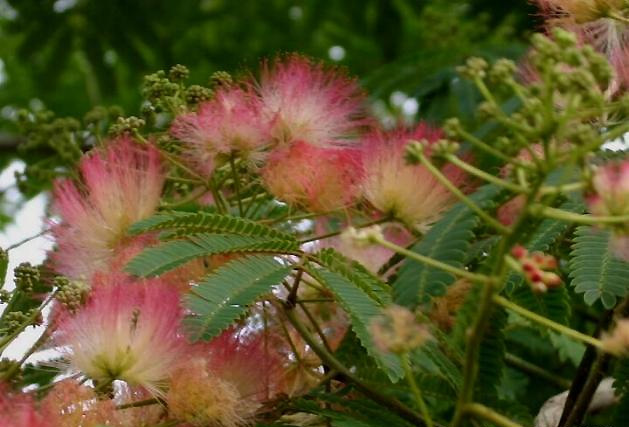
Plant CharacteristicsSilk Tree, commonly known as Mimosa Tree, is one of the most exotic-looking flowering trees that can be grown across much of the United States. Native to Asia and introduced to North America in the eighteenth century, this fast-growing ornamental tree is prized for its graceful umbrella-shaped canopy, fern-like foliage, and unique silky pink flowers.
Mature trees typically reach 20 to 40 feet in height with an equally broad spread. The finely divided foliage resembles that of tropical ferns, creating a soft, airy texture unlike most landscape trees. During summer, the canopy becomes covered with fluffy pink blossoms composed of hundreds of silky stamens that resemble powder puffs or delicate feathers.
The flowers are lightly fragrant and stand out brilliantly against the rich green foliage, creating one of the most distinctive floral displays found in ornamental landscapes.
At night, the leaves fold together, giving the tree a fascinating "sleeping" behavior that adds to its charm.
Landscape Uses- Specimen lawn tree
- Tropical-style landscapes
- Patio shade tree
- Pollinator gardens
- Courtyard plantings
- Fast-growing ornamental tree
- Accent tree for large beds
- Summer flowering focal point
The broad canopy and airy foliage create pleasant filtered shade, making Silk Tree a popular choice for patios and lawn seating areas.
Important Landscape NoteSilk Tree grows rapidly and flowers at a relatively young age. Gardeners looking for quick landscape impact often appreciate its ability to provide shade and blooms within only a few years from planting.
Germination Information- Scarify seeds lightly or nick the seed coat.
- Soak seeds in warm water for 24 hours.
- Sow approximately ¼ to ½ inch deep.
- Maintain temperatures between 70-85°F.
- Keep evenly moist.
- Germination generally occurs within 1-3 weeks.
- Botanical Name: Albizia julibrissin
- Plant Type: Deciduous Flowering Tree
- USDA Zones: 6-9
- Sun Exposure: Full Sun
- Mature Height: 20-40 Feet
- Mature Spread: 20-40 Feet
- Growth Rate: Fast
- Soil Preference: Adaptable to most soils
- Water Requirements: Low to Moderate
Silk Tree adapts well to a variety of soils including clay, loam, and sandy conditions. Once established, it demonstrates excellent heat and drought tolerance.
Container GrowingYoung Silk Trees can be maintained in large containers for several years. Due to their rapid growth and eventual canopy spread, permanent landscape planting is recommended for long-term success.
Pollinator & Wildlife ValueThe nectar-rich flowers attract butterflies, honeybees, native bees, hummingbirds, and numerous beneficial insects. During peak bloom, the tree often becomes one of the most active pollinator plants in the landscape.
The broad canopy also provides shelter and nesting opportunities for songbirds.
Historical & Cultural SignificanceSilk Tree originated in China, Korea, Iran, and other parts of Asia, where it has been cultivated for centuries. It was introduced to Europe and later to North America by the famous French botanist Philippe de Albizzi, whose name became attached to the genus.
In traditional Chinese culture, Silk Tree has long been associated with happiness, love, and emotional well-being. It is sometimes referred to as the "Tree of Happiness."
Botanical Facts- Member of the Legume Family (Fabaceae).
- Native to Asia.
- Leaves fold at night and during rain.
- Produces silky pink powder-puff flowers.
- Capable of fixing nitrogen in the soil.
- One of the most recognizable flowering trees in summer landscapes.
Silk Tree remains one of the easiest ways to add a tropical appearance to temperate landscapes. Its fern-like foliage, umbrella-shaped canopy, and spectacular pink flowers create a dramatic focal point that few other hardy trees can match.
Additional Seedman NoteMany gardeners first fall in love with Silk Tree while watching butterflies drift among its silky pink flowers on a warm summer afternoon. The combination of delicate foliage, fragrant blooms, filtered shade, and constant pollinator activity gives the tree an almost tropical resort-like character, even in regions that experience winter freezes.
For over a thousand more unique seed varieties, all in stock and ready to ship, visit our Seed Catalog Index Page .

Contact Us | Privacy Policy | About Us
Serving gardeners since 1992
State of Mississippi Seedmen's Permit #C-391, Ohio 90152, Minnesota 20086777