
Princess Tree Seeds
Landscape Rating: ⭐⭐⭐⭐⭐ (5/5 Stars)
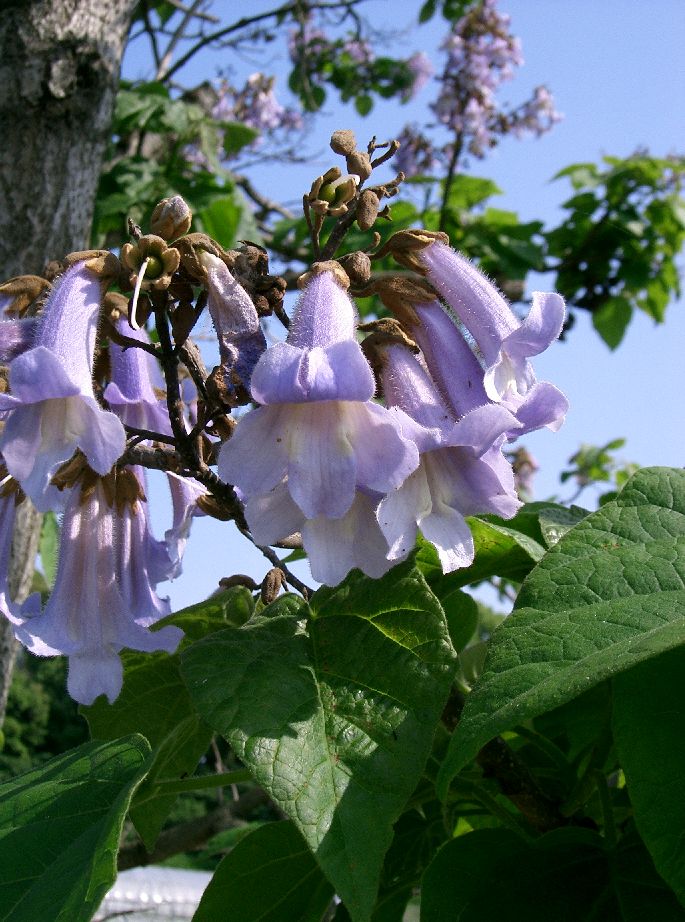
Plant CharacteristicsPrincess Tree, also known as Empress Tree or Royal Paulownia, is one of the fastest-growing flowering trees in the world. Native to China, this spectacular deciduous tree is admired for its enormous heart-shaped leaves, massive clusters of lavender-purple flowers, and its ability to rapidly create shade and visual impact in the landscape.
Mature trees typically reach 30 to 60 feet in height with a broad rounded crown. In early spring, before the leaves emerge, the branches become covered with upright clusters of fragrant trumpet-shaped blossoms in shades of lavender, violet, and pale purple. The floral display can rival that of flowering cherries, redbuds, and magnolias, often stopping visitors in their tracks.
The giant tropical-looking leaves may reach 12 to 18 inches across and create a bold architectural effect throughout the growing season.
Landscape Uses- Specimen lawn tree
- Fast shade tree
- Flowering focal point
- Estate landscapes
- Pollinator gardens
- Large property plantings
- Reforestation projects
- Collector tree collections
Few trees provide such a dramatic combination of flowers, foliage, and rapid growth. Princess Tree quickly becomes a focal point wherever it is planted.
Important Landscape NotePrincess Tree grows extremely rapidly and should be planted where adequate space exists for its mature size. In some regions it may self-seed freely, so gardeners should consult local recommendations before planting.
Germination Information- Surface sow seeds; do not cover deeply.
- Seeds require light for germination.
- Use a fine, well-drained seed-starting medium.
- Maintain temperatures between 70-80°F.
- Keep the surface consistently moist.
- Germination often occurs within 1-3 weeks.
- Botanical Name: Paulownia tomentosa
- Plant Type: Deciduous Flowering Tree
- USDA Zones: 5-9
- Sun Exposure: Full Sun
- Mature Height: 30-60 Feet
- Mature Spread: 25-50 Feet
- Growth Rate: Extremely Fast
- Soil Preference: Well-drained soils
- Water Requirements: Moderate
Princess Tree adapts to a wide variety of soils, including clay, sandy, and rocky locations. Once established, it demonstrates considerable drought tolerance while maintaining vigorous growth.
Container GrowingYoung seedlings can be grown in large containers for several years. Due to the tree's extraordinary growth rate and eventual size, landscape planting is recommended as soon as practical.
Pollinator & Wildlife ValueThe large, fragrant flowers attract bees, butterflies, hummingbirds, and other pollinating insects. The tree's broad canopy provides shade and shelter for birds, while mature specimens create valuable habitat in larger landscapes.
Historical & Cultural SignificancePrincess Tree has a fascinating history dating back centuries in China, where it was associated with prosperity, good fortune, and nobility. It was often planted upon the birth of a daughter. When she came of age and married, the tree would be harvested and its valuable wood used to construct furniture, chests, or household items as part of her dowry.
The tree was introduced to Europe and North America during the nineteenth century, where it quickly became admired for its spectacular flowers and remarkable growth rate.
Botanical Facts- Member of the Paulowniaceae family.
- Native to central and western China.
- Produces some of the largest leaves of any hardy tree.
- Flowers appear before leaves emerge.
- Wood is lightweight, strong, and highly valued.
- Among the fastest-growing temperate-climate trees in the world.
If your goal is to create a dramatic flowering specimen in the shortest possible time, Princess Tree is hard to surpass. Its massive leaves, fragrant spring flowers, and astonishing growth rate make it one of the most unforgettable trees in the landscape.
Additional Seedman NoteIn Japan, Princess Tree became known as the "Kiri Tree" and was often used as a symbol of honor and prestige. The wood is so lightweight and stable that it has traditionally been used for fine furniture, musical instruments, ceremonial boxes, and even imperial emblems. Few ornamental trees combine beauty, history, and usefulness to the degree found in Paulownia tomentosa.
For over a thousand more unique seed varieties, all in stock and ready to ship, visit our Seed Catalog Index Page .

Contact Us | Privacy Policy | About Us
Serving gardeners since 1992
State of Mississippi Seedmen's Permit #C-391, Ohio 90152, Minnesota 20086777