
Cucumber Tree Magnolia Seeds
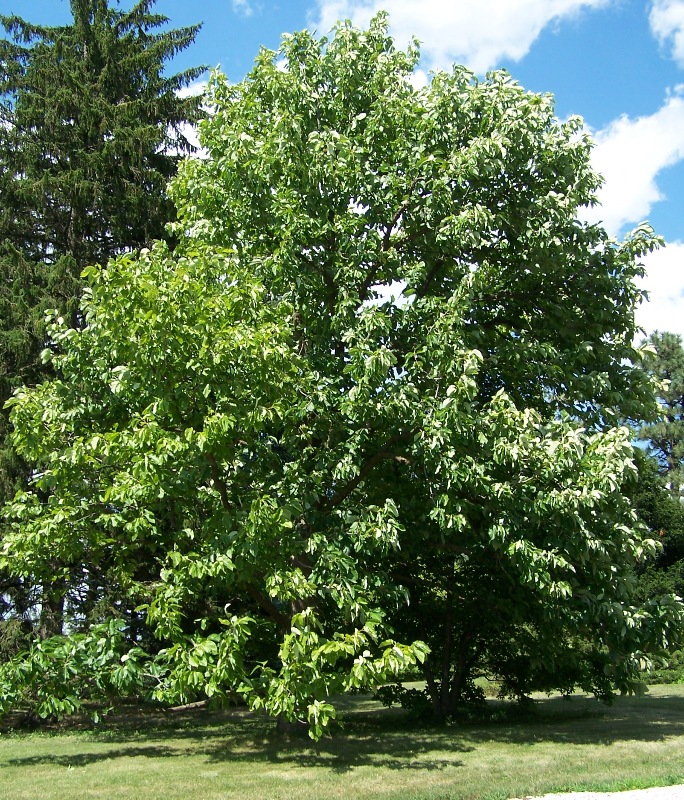
Cucumber Tree (Magnolia acuminata) is one of North America's largest native magnolias and a majestic shade tree prized for its handsome foliage, unusual fruit, wildlife value, and impressive size. Unlike many magnolias grown primarily for their flowers, the Cucumber Tree is valued as much for its stately presence and landscape performance as for its blooms. Native to the eastern United States, this magnificent species can become a towering specimen that provides beauty, shade, and ecological benefits for generations.
The common name comes from its distinctive immature fruits, which resemble small green cucumbers hanging from the branches. These unusual fruits eventually mature to attractive red seed clusters that are highly favored by birds and wildlife.
⭐⭐⭐⭐⭐ Landscape Tree Rating: 5 out of 5 Stars Plant Characteristics- Botanical Name: Magnolia acuminata
- Common Names: Cucumber Tree, Cucumber Magnolia
- Plant Type: Deciduous Shade Tree
- Mature Height: 50 to 80 feet
- Mature Spread: 30 to 50 feet
- Growth Rate: Moderate to Fast
- Sun Exposure: Full Sun to Partial Shade
- USDA Zones: 4-8
Cucumber Tree is an excellent choice for large properties where its impressive size and stately form can be fully appreciated.
- Specimen lawn tree
- Shade tree
- Estate landscapes
- Native plant gardens
- Parks and arboretums
- Wildlife habitat plantings
- Reforestation projects
- Historic landscapes
This species eventually becomes a large forest-sized tree and should be planted where it has adequate room to mature. Unlike many ornamental magnolias, Cucumber Tree develops into a substantial shade tree capable of living for many decades.
Germination InformationMagnolia seeds require a period of cold stratification before germination.
- Remove the fleshy red seed coating.
- Soak seeds for 24 hours.
- Place in moist peat moss or vermiculite.
- Cold stratify for 90 to 120 days at 34-40°F.
- Sow approximately ½ inch deep.
- Maintain temperatures of 65-75°F after planting.
- Germination may occur over several weeks or months.
Cucumber Tree thrives in rich, moist, well-drained soils and appreciates regular moisture, especially during establishment. It performs particularly well in deep woodland soils and areas receiving consistent rainfall.
- Prefers fertile, slightly acidic soils
- Tolerates partial shade
- Excellent cold hardiness
- Long-lived species
- Low maintenance once established
Mulching around the root zone helps conserve moisture and encourages vigorous growth.
Container GrowingDue to its eventual size, Cucumber Tree is not recommended for long-term container culture. Seedlings may be grown in containers for several years before transplanting into the landscape.
Pollinator ValueThe greenish-yellow flowers attract a variety of native pollinating insects.
- Native bees
- Beetles
- Beneficial insects
- Early-season pollinators
Like other magnolias, Cucumber Tree evolved before bees became widespread and retains a strong relationship with beetle pollinators.
Wildlife BenefitsThe bright red seeds are highly attractive to birds and other wildlife.
- Food source for songbirds
- Shelter for wildlife
- Nesting habitat
- Supports pollinator populations
- Excellent native ecosystem tree
Cucumber Tree is one of the most important native magnolias in eastern North American forests. Its wood has historically been used for furniture, cabinetry, veneer, and specialty woodworking applications.
It is also of great horticultural importance because it contributed its cold-hardiness and yellow flower color to many modern hybrid magnolias.
Botanical Facts- The largest native magnolia species in much of North America.
- Named for its cucumber-like immature fruits.
- Flowers are typically greenish-yellow rather than white or pink.
- Parent species of many yellow-flowered magnolia hybrids.
- Can live for well over 100 years.
Select a permanent planting location with ample room for future growth. Cucumber Trees develop extensive root systems and reward thoughtful placement with decades of beauty, shade, and wildlife value.
Seedman NoteWhile many gardeners know magnolias for their spectacular flowers, the Cucumber Tree offers something even more impressive—a magnificent native shade tree that combines ornamental beauty, ecological importance, and remarkable longevity. Its unusual fruits, stately form, and wildlife benefits make Magnolia acuminata one of the finest native trees available for large landscapes.
Historical Seedman Fact: Cucumber Tree played an important role in the development of many modern yellow magnolia hybrids. Without this native American species, some of today's most popular yellow-flowering magnolias would not exist.
For over a thousand more unique seed varieties, all in stock and ready to ship, visit our Seed Catalog Index Page .

Contact Us | Privacy Policy | About Us
Serving gardeners since 1992
State of Mississippi Seedmen's Permit #C-391, Ohio 90152, Minnesota 20086777