
Lily Magnolia Seeds
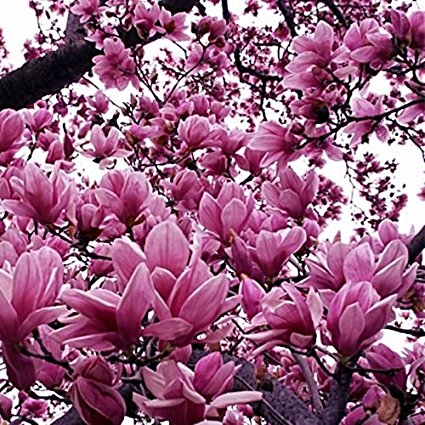
Lily Magnolia (Magnolia liliiflora) is one of the most elegant flowering small trees available for the landscape. Native to southwestern China, this ornamental magnolia is treasured for its spectacular tulip-shaped blooms that appear in spring before or alongside the emerging foliage. The rich pink, purple, rose, or reddish-purple flowers create a dazzling display that transforms the garden into a showpiece of color.
Unlike the massive Southern Magnolias of the American South, Lily Magnolia remains compact and manageable, making it an excellent choice for home landscapes, foundation plantings, cottage gardens, and specimen lawns. Its graceful branching structure and prolific spring flowering have made it a favorite among gardeners for generations.
⭐⭐⭐⭐⭐ Landscape Tree Rating: 5 out of 5 Stars Plant Characteristics- Botanical Name: Magnolia liliiflora
- Common Names: Lily Magnolia, Mulan Magnolia, Purple Magnolia
- Plant Type: Flowering Deciduous Tree or Large Shrub
- Mature Height: 8 to 15 feet
- Mature Spread: 8 to 12 feet
- Growth Rate: Moderate
- Sun Exposure: Full Sun to Partial Shade
- USDA Zones: 5-9
Lily Magnolia is ideal for smaller landscapes where its spring blooms can be appreciated up close. It serves as a stunning focal point and provides exceptional seasonal interest.
- Specimen lawn tree
- Foundation plantings
- Cottage gardens
- Asian-themed landscapes
- Entryway accent tree
- Mixed shrub borders
- Patio gardens
- Spring flowering displays
For best flowering performance, plant Lily Magnolia where it receives protection from strong winds. Late spring frosts may occasionally damage flower buds in colder regions, so sheltered locations are preferred.
Germination InformationMagnolia seeds require a period of cold stratification before germination.
- Remove any fleshy seed coating.
- Soak seeds in water for 24 hours.
- Place in moist peat moss or vermiculite.
- Cold stratify for 90 to 120 days at 34-40°F.
- Sow ½ inch deep in a quality seed-starting mix.
- Maintain temperatures of 65-75°F after planting.
- Germination may take 30-90 days.
Lily Magnolia grows best in rich, slightly acidic, well-drained soil with regular moisture. It appreciates mulching around the root zone to maintain cool soil temperatures and conserve moisture.
- Prefers fertile soils
- Moderate moisture requirements
- Excellent ornamental value
- Low maintenance once established
- Rarely troubled by serious pests
Pruning is seldom necessary except to remove damaged or crossing branches after flowering.
Container GrowingYoung Lily Magnolias can be grown in large decorative containers for several years. Their relatively compact size makes them one of the better magnolia species for patio and courtyard gardens, although long-term performance is best when planted in the ground.
Pollinator ValueThe large fragrant flowers attract a variety of early-season pollinators.
- Native bees
- Beetles
- Early spring pollinating insects
- Beneficial garden insects
Magnolias are among the oldest flowering plants on Earth and evolved before bees became widespread, relying heavily on beetles for pollination.
Wildlife BenefitsThe seeds produced after flowering are attractive to several bird species, while the branching structure provides shelter and nesting opportunities.
- Bird food source
- Nesting habitat
- Seasonal shelter
- Supports pollinator populations
Lily Magnolia has been cultivated in Chinese gardens for centuries and is highly valued in traditional landscape design. It became one of the parent species used to develop many of today's popular hybrid magnolias, including the famous Saucer Magnolia.
The flowers have long symbolized beauty, purity, dignity, and perseverance in Asian cultures.
Botanical Facts- Native to China.
- One of the parent species of Saucer Magnolia.
- Flowers often appear before leaves emerge.
- Belongs to one of the oldest flowering plant families on Earth.
- Magnolias existed millions of years before bees evolved.
Plant Lily Magnolia where its spring blooms can be viewed from windows, patios, or walkways. The spectacular floral display lasts only a few weeks each year, so placing it in a prominent location maximizes its landscape impact.
Seedman NoteFew ornamental trees can rival the breathtaking beauty of a Lily Magnolia in full bloom. Covered in hundreds of elegant tulip-shaped blossoms, it becomes the centerpiece of the spring garden. Its manageable size, reliable flowering, and rich history make Magnolia liliiflora an outstanding choice for homeowners seeking a truly memorable flowering tree.
For over a thousand more unique seed varieties, all in stock and ready to ship, visit our Seed Catalog Index Page .

Contact Us | Privacy Policy | About Us
Serving gardeners since 1992
State of Mississippi Seedmen's Permit #C-391, Ohio 90152, Minnesota 20086777