
Southern Magnolia Seeds
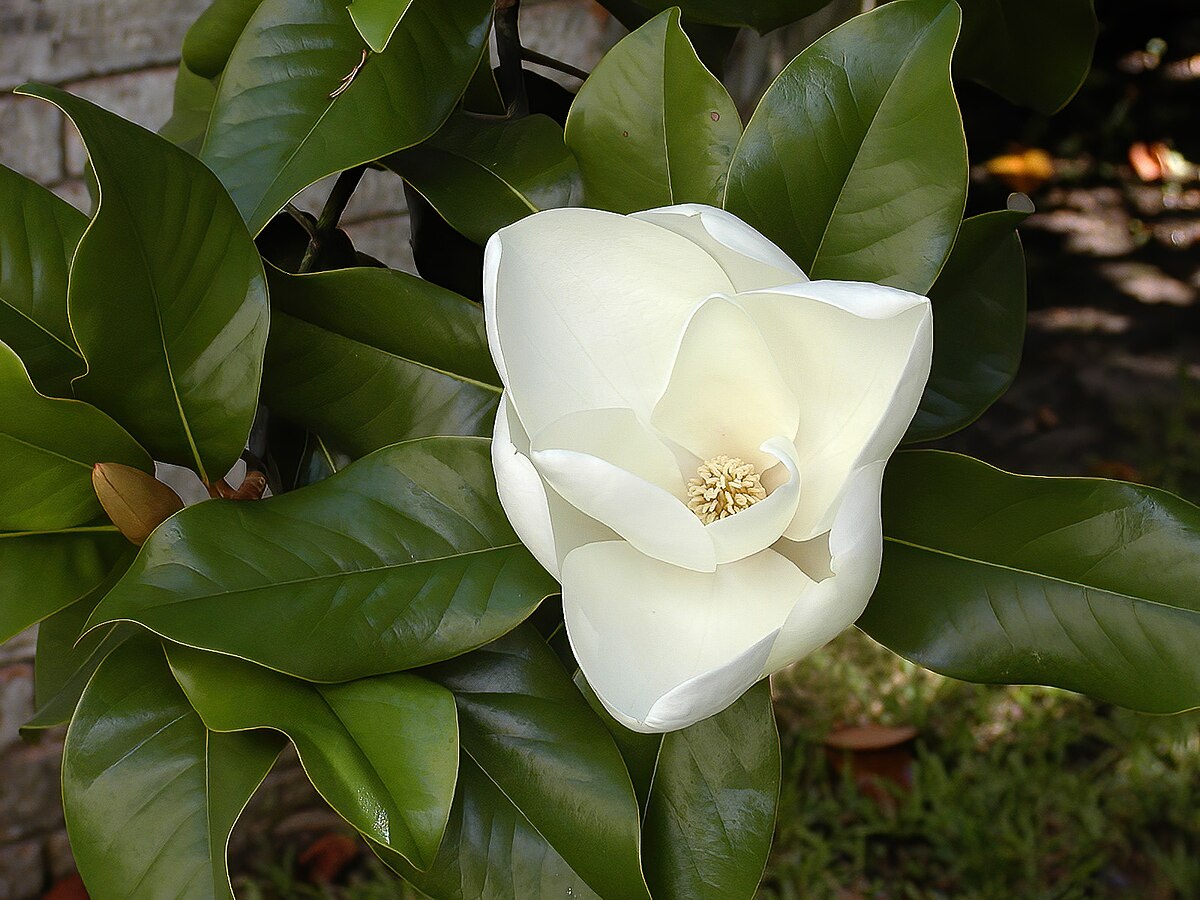
Southern Magnolia (Magnolia grandiflora) is one of the most iconic and beloved flowering trees of the American South. Famous for its enormous creamy-white blossoms, glossy evergreen foliage, and stately appearance, this magnificent tree has been a symbol of grace, hospitality, and Southern charm for centuries. Few landscape trees can rival its combination of beauty, fragrance, longevity, and year-round appeal.
During late spring and summer, Southern Magnolia produces spectacular flowers that may reach 8 to 12 inches across. These highly fragrant blooms fill the air with a sweet lemon-like perfume and contrast beautifully against the tree's dark green leaves. The undersides of the leaves are often covered with a rich rusty-brown fuzz, adding additional ornamental interest.
⭐⭐⭐⭐⭐ Landscape Tree Rating: 5 out of 5 Stars Plant Characteristics- Botanical Name: Magnolia grandiflora
- Common Names: Southern Magnolia, Bull Bay Magnolia
- Plant Type: Evergreen Flowering Tree
- Mature Height: 40 to 80 feet
- Mature Spread: 20 to 50 feet
- Growth Rate: Moderate
- Sun Exposure: Full Sun to Partial Shade
- USDA Zones: 6-10
Southern Magnolia is one of the finest specimen trees available for lawns and large landscapes. Its evergreen foliage provides year-round structure while its massive flowers create unforgettable seasonal displays.
- Specimen lawn tree
- Estate landscapes
- Shade tree
- Street tree
- Southern gardens
- Park plantings
- Privacy screens
- Historic landscape restoration
Allow plenty of room when planting Southern Magnolia. Mature trees develop broad canopies and extensive root systems. Lower branches often sweep gracefully toward the ground and contribute significantly to the tree's natural beauty.
Germination InformationMagnolia seeds require cold stratification to break dormancy.
- Remove the red fleshy coating from fresh seeds.
- Soak seeds in water for 24 hours.
- Place in moist peat moss or vermiculite.
- Cold stratify for 90 to 120 days at 34-40°F.
- Sow ½ inch deep in well-drained soil.
- Maintain temperatures of 65-75°F.
- Germination may occur over several weeks to several months.
Southern Magnolia thrives in rich, fertile, slightly acidic soils but adapts to many soil types once established. It appreciates regular moisture during establishment but becomes surprisingly resilient with age.
- Prefers well-drained soils
- Excellent heat tolerance
- Moderate drought tolerance when mature
- Adaptable to urban environments
- Long-lived and durable
Mulching around the root zone helps conserve moisture and promotes healthy growth.
Container GrowingYoung Southern Magnolias can be grown in large containers for several years. Due to their eventual size, however, they are best planted in the landscape where they can develop into majestic specimen trees.
Pollinator ValueThe enormous fragrant flowers attract a variety of pollinating insects.
- Native bees
- Beetles
- Beneficial insects
- Early and mid-season pollinators
Magnolias evolved long before bees became widespread and are among the oldest flowering plants known, relying heavily on beetles for pollination.
Wildlife BenefitsThe bright red seeds produced in fall provide food for numerous bird species.
- Food source for songbirds
- Nesting habitat
- Year-round shelter
- Cover for wildlife
- Supports pollinator populations
Southern Magnolia is native to the southeastern United States and has become one of the most recognizable symbols of the American South. It has been planted around homes, plantations, churches, and public buildings for centuries.
The species was named after French botanist Pierre Magnol, whose work helped establish the modern concept of plant families.
Southern Magnolia is the state flower of both Mississippi and Louisiana, further cementing its place in Southern culture and history.
Botanical Facts- Produces some of the largest flowers of any native North American tree.
- Flowers may reach 12 inches across.
- Leaves remain attractive throughout the year.
- Can live well over 100 years.
- Belongs to one of the oldest flowering plant lineages on Earth.
Choose a permanent planting location carefully. Southern Magnolias dislike root disturbance once established and reward thoughtful placement with decades of spectacular growth and flowering.
Seedman NoteFew trees embody elegance quite like the Southern Magnolia. Its massive fragrant blossoms, glossy evergreen foliage, and stately form have captivated gardeners for generations. Whether planted as a lawn centerpiece, shade tree, or family heirloom for future generations, Magnolia grandiflora remains one of the most magnificent ornamental trees available for the landscape.
Historical Seedman Fact: Southern Magnolia is the official state flower of Mississippi, making it especially beloved throughout the region. Many historic Southern homes still feature magnolias planted more than a century ago, standing as living landmarks that continue to bloom each year.
For over a thousand more unique seed varieties, all in stock and ready to ship, visit our Seed Catalog Index Page .

Contact Us | Privacy Policy | About Us
Serving gardeners since 1992
State of Mississippi Seedmen's Permit #C-391, Ohio 90152, Minnesota 20086777