

Food and Culinary Uses:
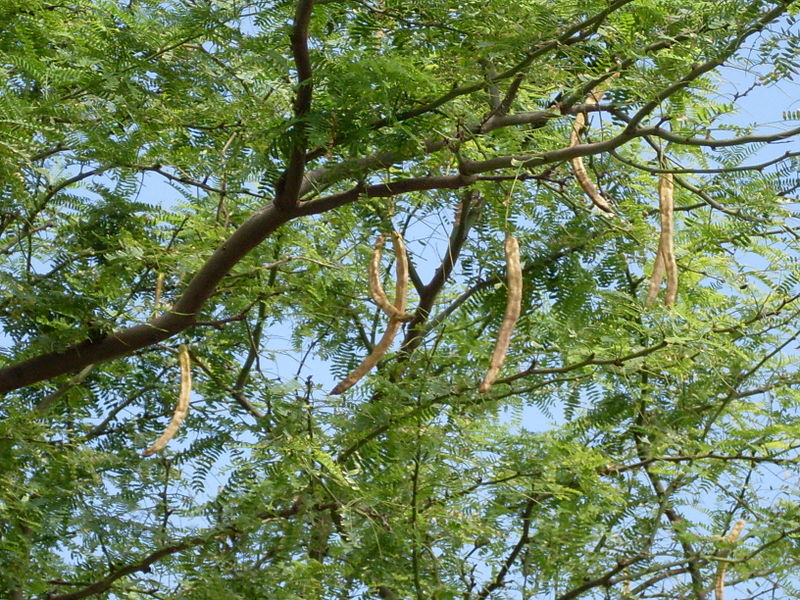
Edible Pods: The sweet, sugar-rich seed pods can be eaten raw when young or processed into a sweet pulp and beverage.
Mesquite Flour: Dried pods and seeds are traditionally pounded or ground into a high-protein, carbohydrate-dense flour to make meal, cakes, and bread.
Flowers: The nectar-rich flower spikes provide forage for bees to produce mesquite honey and can be brewed into herbal teas.
Bark Gum: The tree's sap/gum can be harvested and eaten or used historically for adhesives and other remedies.
Medicinal and Health Applications:
Traditional Remedies: Indigenous groups used leaf and bark infusions to treat eye troubles, skin conditions, open wounds, and fevers.
Blood Sugar Support: Modern research and traditional supplements utilize ground pods for their potential blood glucose-stabilizing and anti-hypertensive properties.
Firewood and Charcoal: The dense, heavy wood burns slow and hot, making it highly prized for campfires and heating.
Barbecue Smoke: Wood chunks and shavings are widely used to impart a distinct, sweet smoky flavor when grilling and barbecuing meats.
Nitrogen Fixation: As a legume, it enriches poor, arid desert soils by fixing atmospheric nitrogen. Erosion Control & Windbreaks: Deep taproots stabilize soil, and the canopy provides shade, wildlife shelter, and windbreaks in arid landscapes.
Golden Honey Mesquite is one of the finest shade trees for warm, dry climates. This graceful desert native develops a broad, spreading canopy adorned with delicate fern-like foliage and spectacular clusters of golden-yellow flowers that create a glowing display across the tree during bloom season.
Mature trees typically reach 20 to 40 feet in height with an equally broad canopy, producing filtered shade that cools the landscape without creating deep darkness beneath. The twisting trunks and sculptural branching patterns add year-round character, making each tree a unique living work of art.
Golden Honey Mesquite thrives in hot, sunny locations where many traditional shade trees struggle. Once established, it requires very little supplemental water and often performs best when not overwatered.
Germination Information- Scarify seeds by nicking the seed coat or soaking in hot water.
- Allow seeds to soak for 12-24 hours.
- Sow approximately ¼ to ½ inch deep.
- Maintain temperatures between 75-95°F.
- Keep lightly moist during germination.
- Germination typically occurs within 1-3 weeks.
Mesquite trees are famous for their deep root systems, which allow them to locate moisture far below the soil surface. They tolerate sandy, rocky, alkaline, and poor soils with ease and are among the most drought-resistant landscape trees available.
Container GrowingYoung trees may be grown in large containers for several years. Due to their rapidly developing root systems and eventual size, permanent planting in the landscape is recommended for long-term growth.
Seedman Landscape NoteFew trees provide as much beauty with as little maintenance as Golden Honey Mesquite. Its graceful canopy, glowing yellow flowers, drought tolerance, and distinctive Southwestern character make it an outstanding choice for warm-climate landscapes.
Additional Seedman NoteMesquite honey is considered among the finest honey varieties in North America. During peak bloom, a mature Golden Honey Mesquite can literally hum with activity as thousands of bees gather nectar from its fragrant golden blossoms.
For additional growing information, see our Golden Honey Mesquite Seeds AI fact sheet.
For over a thousand more unique seed varieties, all in stock and ready to ship, visit our Seed Catalog Index Page .

Contact Us | Privacy Policy | About Us
Serving gardeners since 1992
State of Mississippi Seedmen's Permit #C-391, Ohio 90152, Minnesota 20086777