
Ole Southern Black Mustard Seeds
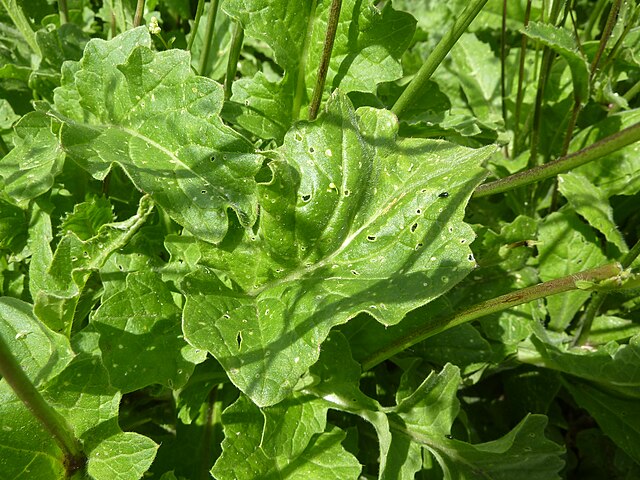
Southern Black Mustard (Brassica nigra) is the old-fashioned heirloom mustard that once grew in nearly every Southern kitchen garden. Long before modern hybrid greens became popular, generations of families relied on this vigorous, flavorful variety for dependable harvests of nutritious cooking greens and its famous spicy mustard seed. Producing tall plants with rich green leaves and bright yellow flowers, Southern Black Mustard offers a bold, robust flavor that has been cherished for centuries. This historic heirloom remains a favorite among gardeners who appreciate authentic Southern vegetables and the rich gardening traditions they represent.
Introduction
For many older gardeners, Southern Black Mustard brings back memories of rows of mustard greens growing beside collards, turnips, and cabbage in family gardens throughout the South. It was a dependable crop that thrived during the cool months, providing fresh greens when few other vegetables were available. Young leaves offered a pleasantly spicy addition to fresh salads, while mature foliage became the hearty cooking greens that have long been a staple of Southern kitchens. Its bright yellow spring flowers also signaled the beginning of another gardening season, attracting bees before producing the tiny black seeds that gave the plant its name.
Flavor & Culinary Uses
Southern Black Mustard is known for its full-bodied, peppery flavor that is stronger than many modern mustard varieties. Young leaves have a lively, spicy bite that livens up fresh salads and sandwiches, while mature leaves become wonderfully rich and mellow after cooking. Traditionally, the greens are slow-cooked with smoked ham hocks, bacon, onions, garlic, or smoked turkey, but they are equally delicious sautéed, stir-fried, added to soups, stews, or combined with collards and turnip greens. If allowed to mature, the tiny black seeds can also be harvested and ground into authentic homemade mustard or used as a flavorful spice.
Growing Information
Southern Black Mustard thrives in cool weather and grows quickly in fertile, well-drained soil with consistent moisture. Sow seeds directly outdoors in early spring or late summer for abundant fall harvests. Plants tolerate frost well, and cool temperatures naturally sweeten the leaves while reducing their sharpness. Harvest young leaves for fresh eating or allow plants to mature for larger cooking greens.
- Botanical Name: Brassica nigra
- Plant Type: Cool-season annual leafy vegetable
- Days to Maturity: 40–50 days for greens
- Plant Height: 3–5 feet if allowed to flower
- Sun Requirements: Full sun to partial shade
- Spacing: 8–12 inches
For over a thousand more unique seed varieties, all in stock and ready to ship, visit our Seed Catalog Index Page .

Contact Us | Privacy Policy | About Us
Serving gardeners since 1992
State of Mississippi Seedmen's Permit #C-391, Ohio 90152, Minnesota 20086777