
Northern Sea Oats Seeds
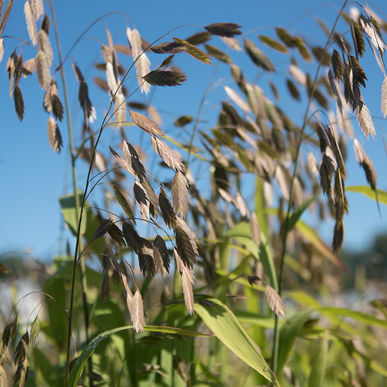
Northern Sea Oats is one of North America's most graceful native ornamental grasses and is widely admired for its distinctive dangling seed heads that resemble flattened oat kernels. Native to woodlands, streambanks, and shaded river valleys throughout the eastern and central United States, this elegant grass combines beauty, wildlife value, and adaptability in a way few ornamental grasses can match.
Its unique seed heads emerge green in summer before maturing to bronze and tan, providing months of visual interest. Even in winter, the dried seed heads continue to add movement and texture to the landscape.
Plant Characteristics- Botanical Name: Chasmanthium latifolium
- Common Names: Northern Sea Oats, River Oats, Inland Sea Oats, Wood Oats
- Plant Type: Warm-Season Native Ornamental Grass
- Mature Height: 24 to 48 inches
- Mature Spread: 18 to 36 inches
- Growth Rate: Moderate to Fast
- USDA Zones: 4 to 9
- Sun Exposure: Full Sun to Partial Shade
- Soil Requirements: Adaptable; prefers moist, well-drained soil
Northern Sea Oats grows surprisingly well in large containers and can become a dramatic focal point when its arching seed heads spill outward above the foliage.
- Use containers at least 14 to 16 inches deep.
- Provide regular moisture during active growth.
- Use quality potting soil with good drainage.
- Place in morning sun or partial shade in warmer climates.
- Leave seed heads intact for fall and winter interest.
Its elegant movement makes it especially attractive on patios, porches, and shaded garden terraces.
Landscape Uses- Woodland gardens
- Native plant landscapes
- Container displays
- Rain gardens
- Naturalized areas
- Streambank stabilization
- Shade gardens
Northern Sea Oats is one of the few ornamental grasses that performs exceptionally well in partial shade.
Germination Information- Sow seed approximately 1/8 inch deep.
- Maintain temperatures between 65°F and 75°F.
- Keep evenly moist during germination.
- Germination generally occurs within 14 to 30 days.
- Cold stratification may improve germination rates.
Seedlings establish readily and often develop into attractive clumps within their first growing season.
Growing Information- Plant in full sun to partial shade.
- Water regularly during establishment.
- Tolerates occasional drought once mature.
- Cut back old growth in late winter.
- Allow seed heads to remain for seasonal interest and wildlife value.
This adaptable native grass performs well across a broad range of growing conditions.
Pollinator and Wildlife ValueNorthern Sea Oats is highly valued by wildlife. The seeds are consumed by numerous songbirds, while the dense foliage provides nesting material and shelter for beneficial insects and small animals.
It also serves as a larval host plant for several butterfly and skipper species.
Deer ResistanceNorthern Sea Oats is generally considered moderately deer resistant. Mature plants are often ignored once established.
Drought ToleranceAlthough naturally found in moist woodland environments, established plants exhibit good drought tolerance and recover quickly when rainfall returns.
Historical and Cultural TidbitsLong before ornamental grasses became fashionable, Northern Sea Oats was already an important component of native American woodlands and river ecosystems. Indigenous peoples would have encountered this graceful grass throughout much of its natural range.
The distinctive seed heads became popular in dried flower arrangements during the Victorian era and remain a favorite among floral designers today.
Because the seed heads persist well into winter, the species became increasingly popular in naturalistic landscape design during the late twentieth century.
Botanical Facts- Chasmanthium latifolium is the only widely cultivated species in its genus.
- The flattened seed heads can reach nearly two inches in length.
- The seed heads transition from green to bronze and tan as they mature.
- Foliage often develops attractive bronze tones in autumn.
- The species naturally occurs throughout much of the eastern United States.
The dangling seed heads are so distinctive that many gardeners can identify Northern Sea Oats from across a landscape. When backlit by morning or evening sunlight, the translucent seed heads appear to glow like dozens of tiny lanterns suspended above the foliage.
Seedman NoteFew ornamental grasses offer the versatility of Northern Sea Oats. Its ability to thrive in shade, support wildlife, provide months of ornamental interest, and produce one of the most recognizable seed displays in the grass world make it an outstanding choice for both beginner and experienced gardeners.
Ornamental Grass Rating: ★★★★★An exceptional native ornamental grass prized for its unique dangling seed heads, wildlife benefits, shade tolerance, and year-round garden appeal.
For over a thousand more unique seed varieties, all in stock and ready to ship, visit our Seed Catalog Index Page .

Contact Us | Privacy Policy | About Us
Serving gardeners since 1992
State of Mississippi Seedmen's Permit #C-391, Ohio 90152, Minnesota 20086777