
Wind Dancer Ornamental Grass Seeds
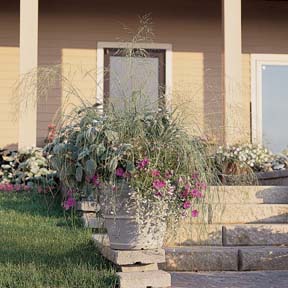
Wind Dancer Lovegrass is one of the most graceful native ornamental grasses available, producing clouds of delicate, airy flower panicles that seem to float above the foliage like a soft mist. Native to the southeastern United States, this elegant selection of Elliott's Lovegrass is prized for its fine texture, exceptional movement, and ability to create a dreamy, almost ethereal effect in the landscape.
As summer progresses, thousands of tiny flowers emerge on slender branching stems, creating a shimmering haze that dances with every breeze. The effect is so captivating that the plant earned its fitting name, "Wind Dancer."
Plant Characteristics- Botanical Name: Eragrostis elliottii 'Wind Dancer'
- Common Names: Wind Dancer Lovegrass, Elliott's Lovegrass
- Plant Type: Warm-Season Native Ornamental Grass
- Mature Height: 24 to 36 inches
- Mature Spread: 18 to 30 inches
- Growth Rate: Moderate
- USDA Zones: 5 to 10
- Sun Exposure: Full Sun
- Soil Requirements: Well-drained soil
Wind Dancer performs exceptionally well in decorative containers, where its fountain-like habit and airy flower clouds can be appreciated up close.
- Use containers at least 12 to 16 inches deep.
- Provide excellent drainage.
- Use a quality potting mix.
- Place in full sun for best flowering.
- Allow the delicate seed heads to remain through fall for maximum beauty.
Container-grown specimens often become living fountains of motion, adding elegance to patios, decks, and garden terraces.
Landscape Uses- Container gardens
- Prairie gardens
- Native plant landscapes
- Pollinator gardens
- Meadow plantings
- Naturalistic landscapes
- Mass plantings
Its airy texture blends beautifully with coneflowers, black-eyed Susans, salvias, and other native perennials.
Germination Information- Sow seeds on the soil surface or lightly cover.
- Maintain temperatures between 70°F and 80°F.
- Keep evenly moist during germination.
- Provide bright light.
- Germination typically occurs within 10 to 21 days.
Seedlings establish readily and quickly develop into attractive clumps.
Growing Information- Plant in full sun.
- Tolerates heat and humidity extremely well.
- Requires little supplemental water once established.
- Cut back old growth in late winter.
- Thrives in average to poor soils.
This native grass often performs best in conditions that would challenge many more demanding ornamental plants.
Pollinator and Wildlife ValueWind Dancer provides habitat and cover for beneficial insects and small wildlife. The seeds are consumed by various songbirds, while the dense clumps offer shelter throughout the year.
Its presence contributes significantly to healthy native garden ecosystems.
Deer ResistanceWind Dancer is generally considered highly deer resistant and is frequently used in landscapes where browsing pressure is a concern.
Drought ToleranceOnce established, this grass exhibits excellent drought tolerance and remains attractive during periods of summer heat and dry weather.
Historical and Cultural TidbitsLovegrasses have long been components of North American grasslands, where they helped stabilize soils and provide forage for wildlife. Their ability to thrive under challenging conditions made them important members of native prairie ecosystems.
The genus name Eragrostis comes from Greek words meaning "grass of love." The exact origin of the name is uncertain, but it remains one of the more charming botanical names in the plant kingdom.
Modern landscape designers increasingly favor native grasses such as Wind Dancer because they provide beauty while supporting local wildlife and requiring fewer resources than many traditional ornamentals.
Botanical Facts- Eragrostis contains over 350 species worldwide.
- The flower panicles can appear almost cloud-like from a distance.
- The species is native to much of the southeastern United States.
- The seed heads often take on pink, bronze, or tan tones as they mature.
- The foliage remains attractive throughout the growing season.
A mature Wind Dancer plant can produce thousands of tiny flowers held on extremely fine branching stems. When illuminated by morning or evening sunlight, the entire plant often appears surrounded by a glowing cloud of sparkling mist.
Seedman NoteAmong ornamental grasses, Wind Dancer excels at creating movement and softness. While many grasses impress with bold plumes or dramatic foliage, this native beauty captivates with its delicate, airy elegance. It is particularly effective in containers where every breeze can set the flower clouds gently dancing.
Ornamental Grass Rating: ★★★★★A graceful native ornamental grass prized for its cloud-like flower display, exceptional movement, drought tolerance, and outstanding performance in containers and naturalistic landscapes.
For over a thousand more unique seed varieties, all in stock and ready to ship, visit our Seed Catalog Index Page .

Contact Us | Privacy Policy | About Us
Serving gardeners since 1992
State of Mississippi Seedmen's Permit #C-391, Ohio 90152, Minnesota 20086777