
Cabbage Tree Palm Seeds
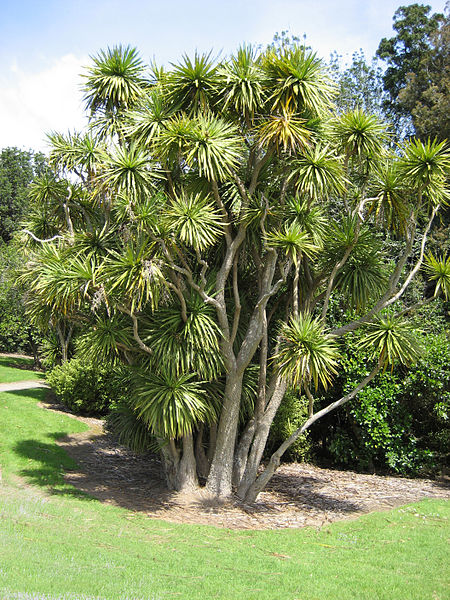
Cabbage Tree is one of the most distinctive and iconic landscape plants of the Southern Hemisphere. Although not a true palm, its tall trunk and dramatic tufts of sword-like foliage give it a palm-like appearance that has earned it a place in many tropical and subtropical gardens. Native to , Cordyline australis is admired for its architectural form, exceptional adaptability, and fascinating cultural history.
With its branching trunks and fountain-like heads of foliage, the Cabbage Tree creates an unmistakable silhouette that instantly evokes the rugged beauty of the countryside.
Plant CharacteristicsCabbage Tree develops a stout trunk that eventually branches into multiple heads, each crowned with long, narrow, arching leaves. Mature specimens commonly reach 20 to 40 feet in height and may develop several branching stems over time.
The evergreen foliage creates a dramatic architectural effect that remains attractive throughout the year.
Landscape UsesThis versatile plant is widely used as a specimen tree, coastal landscape feature, patio accent, Mediterranean garden plant, and tropical-style focal point.
Its bold form makes it particularly effective when planted against open skies, coastal vistas, or among lower-growing shrubs and perennials.
Cold HardinessOne of the hardiest palm-like landscape plants available, Cabbage Tree is generally suitable for USDA Zones 8-11.
Established plants tolerate cool temperatures, coastal winds, and occasional frosts better than many true palms.
Container GrowingYoung plants perform well in large containers and make striking specimens for patios, courtyards, and conservatories. Their moderate growth rate allows them to remain manageable in containers for many years.
Use a well-drained growing medium and provide regular watering during establishment.
GerminationSow seeds in a warm, moist growing medium and maintain temperatures between 70°F and 85°F. Keep the growing medium lightly moist during germination.
Seeds typically germinate within several weeks under favorable conditions.
Growing InformationCabbage Tree thrives in full sun to partial shade and adapts to a wide variety of soil types provided drainage is adequate. Once established, it demonstrates excellent tolerance of drought, wind, and coastal conditions.
Its adaptability is one of the reasons it has become popular throughout temperate regions worldwide.
Wildlife ValueThe fragrant flowers attract bees and pollinating insects, while the fruits provide food for birds. In its native habitat, the species plays an important role in supporting local wildlife populations.
The dense foliage can also provide shelter for small birds.
Interesting Botanical FactsDespite its common name and palm-like appearance, Cabbage Tree is not a palm at all. It is actually more closely related to lilies and asparagus than to true palms.
One of its most remarkable traits is its ability to branch after flowering, creating the distinctive multi-headed form seen on mature specimens.
Individual trees may survive for many decades and become cherished landscape landmarks.
Historical NotesThe Māori people of have utilized Cabbage Trees for centuries. The leaves were traditionally used for weaving, rope making, baskets, sandals, and clothing, while the roots provided a valuable food source rich in natural sugars.
Early European settlers were equally impressed by the plant's versatility and resilience.
Growing TipPlant in a location where the unique branching structure can be fully appreciated as the tree matures. Open locations often showcase its dramatic silhouette most effectively.
Seedman NoteAlthough technically not a palm, Cabbage Tree deserves consideration alongside many ornamental palms because of its tropical appearance, hardiness, and architectural beauty.
Additional Seedman NoteIf Royal Palm symbolizes the Caribbean and Bismarck Palm symbolizes Madagascar, Cabbage Tree symbolizes the wild landscapes of the South Pacific. Windswept hillsides, rugged coastlines, and rolling green valleys throughout are often marked by the distinctive silhouettes of these remarkable trees. Their unique form and fascinating history make them one of the most memorable palm-like plants a gardener can grow.
For over a thousand more unique seed varieties, all in stock and ready to ship, visit our Seed Catalog Index Page .

Contact Us | Privacy Policy | About Us
Serving gardeners since 1992
State of Mississippi Seedmen's Permit #C-391, Ohio 90152, Minnesota 20086777