
Clustering Fishtail Palm Seeds
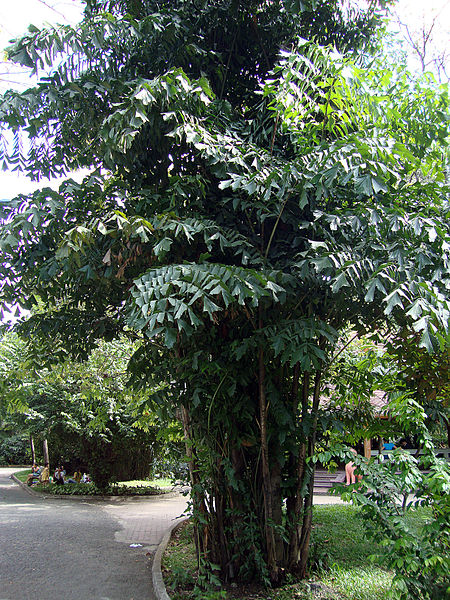
Clustering Fishtail Palm is one of the most distinctive and exotic palms in cultivation. Native to Southeast Asia, India, southern China, and parts of the Pacific region, this remarkable species is famous for its unusual leaflets that resemble the tails of fish. Unlike most palms that produce a single trunk, Caryota mitis forms dense clumps of multiple stems, creating a lush tropical effect that few other palms can match.
Its dramatic foliage, fast growth, and naturally clustering habit have made it one of the most popular fishtail palms for gardens, resorts, and tropical landscapes worldwide.
Plant CharacteristicsClustering Fishtail Palm develops numerous slender trunks arising from a common base. Mature clumps may reach 15 to 30 feet in height while gradually expanding outward over time.
The large bipinnate leaves are composed of hundreds of triangular leaflets with jagged edges that resemble fish tails, giving the palm its unique and memorable appearance.
The dense foliage creates a rich, layered canopy that provides a true rainforest effect.
Landscape UsesThis palm is ideal for tropical gardens, privacy screens, courtyard plantings, poolside landscapes, resort gardens, and shaded understory plantings.
Its clumping habit allows it to fill space naturally while creating an attractive living screen.
It is especially effective when used to soften walls, fences, or large buildings.
Cold HardinessClustering Fishtail Palm is generally suitable for USDA Zones 10-11.
It prefers warm tropical and subtropical conditions and should be protected from frost and prolonged cold weather.
Container GrowingYoung plants grow well in large containers and are frequently used in conservatories, atriums, patios, and tropical displays.
The species can also serve as an impressive indoor specimen in bright locations while young.
Provide a rich, well-drained growing medium and regular moisture.
GerminationSow fresh seeds in a warm, moist growing medium and maintain temperatures between 80°F and 95°F.
Consistent warmth and humidity greatly improve germination success.
Seedlings generally establish readily once germination occurs.
Growing InformationClustering Fishtail Palm performs best in partial shade to filtered sunlight, especially when young. Mature plants tolerate additional sun in humid climates.
Rich soil, regular watering, and occasional feeding encourage rapid growth and lush foliage production.
The palm appreciates high humidity and consistent moisture.
Wildlife ValueThe flowers attract pollinating insects, while fruits may be consumed by birds and wildlife in tropical regions.
The dense clumps also provide shelter and nesting opportunities for many small animals and birds.
Interesting Botanical FactsCaryota mitis belongs to the only genus of palms with truly bipinnate leaves, making fishtail palms unique within the entire palm family.
The species is one of the few clustering fishtail palms, allowing it to regenerate new stems continuously from the base.
Each trunk flowers only once during its lifetime, but the clump survives because younger stems continue growing and replacing older ones.
Historical NotesThroughout Southeast Asia, various fishtail palm species have been used for fiber, food, sugar production, and traditional building materials.
Their dramatic appearance has made them important ornamental plants in tropical gardens for generations.
Growing TipAllow adequate room for the clump to expand naturally. The palm becomes more impressive each year as additional stems emerge from the base.
Seedman NoteClustering Fishtail Palm delivers a tropical rainforest appearance unlike almost any other palm. Its unusual foliage and lush growth habit make it one of the most distinctive palms available to gardeners.
Additional Seedman NoteIf Royal Palm represents grandeur and Kentia Palm represents elegance, Clustering Fishtail Palm represents abundance. The dense clumps of exotic fishtail foliage create the feeling of a hidden jungle oasis. Visitors often stop to examine the leaves up close, amazed that such unusual foliage belongs to a palm. For gardeners seeking something truly different, few species offer more character and tropical appeal than Caryota mitis.
For additional growing information, see our Clustering Fishtail Palm Seeds AI fact sheet.
For over a thousand more unique seed varieties, all in stock and ready to ship, visit our Seed Catalog Index Page .

Contact Us | Privacy Policy | About Us
Serving gardeners since 1992
State of Mississippi Seedmen's Permit #C-391, Ohio 90152, Minnesota 20086777