
Jelly Palm Seeds
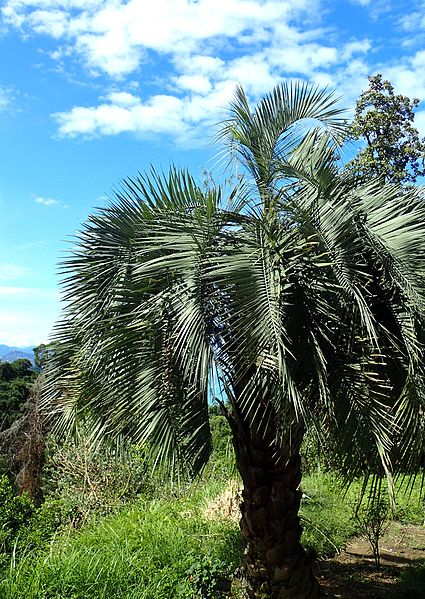
Jelly Palm is one of the most beautiful and useful cold-hardy feather palms in cultivation. Native to South America, this graceful species is prized for its arching blue-green to gray-green fronds, rugged trunk, edible fruit, and surprising tolerance of cool weather. It brings a soft, tropical appearance to landscapes while remaining far tougher than many palms with a similar ornamental look.
The common name "Jelly Palm" comes from its sweet, aromatic fruits, which have traditionally been used to make jelly, jams, wine, and other preserves. Few palms combine ornamental beauty and edible value as successfully as Butia capitata.
Plant CharacteristicsJelly Palm develops a stout trunk topped by a broad crown of long, gracefully arching feather-like fronds. Mature specimens typically reach 10 to 20 feet in height, making them large enough to create landscape impact while still remaining manageable for many gardens.
The foliage often displays attractive blue-green, gray-green, or silvery tones, giving the palm a refined and distinctive appearance.
The curved fronds create a fountain-like effect that softens the landscape beautifully.
Landscape UsesJelly Palm is ideal for coastal gardens, Mediterranean landscapes, subtropical gardens, specimen plantings, courtyards, parks, and large container displays.
Its moderate size and graceful canopy make it especially useful in residential landscapes where taller palms may be impractical.
It pairs beautifully with agaves, yuccas, ornamental grasses, flowering shrubs, and drought-tolerant perennials.
Cold HardinessJelly Palm is one of the hardier feather palms and is generally suitable for USDA Zones 8b-11.
Established specimens tolerate brief freezes better than many tropical palms, making this species valuable in cooler palm-growing regions.
Good drainage and protection from severe winter wetness improve cold-weather performance.
Container GrowingYoung Jelly Palms can be grown in large containers for patios, courtyards, and tropical displays.
Use a well-drained potting mix and provide full sun for the strongest growth and best foliage color.
Because the palm eventually develops a sturdy trunk and broad crown, landscape planting is usually best for long-term growth.
GerminationSow fresh seeds in a warm, moist growing medium and maintain temperatures between 80°F and 95°F.
Germination can be slow and irregular, often requiring several months. Patience is important with this species.
Fresh seed and consistent warmth provide the best results.
Growing InformationJelly Palm thrives in full sun and well-drained soil. Once established, it demonstrates good drought tolerance and performs well in hot, sunny climates.
Regular watering during establishment helps develop a strong root system and fuller crown.
It is generally low-maintenance once established.
Fruit and Edible UsesThe fruits are round to oval and ripen to yellow, orange, or reddish-orange. They have a sweet-tart flavor often compared to pineapple, apricot, or tropical fruit punch.
Traditionally, the fruits have been used to make jelly, syrup, wine, and preserves. The fruit pulp can also be eaten fresh when fully ripe.
Flavor varies from plant to plant, making seed-grown Jelly Palms interesting and somewhat variable.
Wildlife ValueThe fruits attract birds, squirrels, raccoons, and other wildlife.
The flowers provide resources for pollinating insects, while the dense crown may offer shelter for small birds.
Interesting Botanical FactsJelly Palm belongs to a group of South American palms known for edible fruits and cold tolerance.
The arching fronds are often held in a graceful downward curve, one of the palm's most recognizable features.
Several related Butia species and hybrids are valued by collectors for their hardiness and fruit quality.
Historical NotesIn parts of South America, Butia palms have long been valued for their fruit. Local communities used the fruits in traditional foods, fermented beverages, and preserves.
As palms became popular in ornamental horticulture, Jelly Palm gained international attention because it combined edible fruit with a landscape-worthy form and better cold tolerance than most feather palms.
Growing TipAllow ripe fruit to fully color and soften before harvesting. The best flavor usually develops when the fruit drops naturally or releases easily from the cluster.
Seedman NoteJelly Palm is one of the best choices for gardeners who want a palm that is both ornamental and useful. Its graceful foliage, cold hardiness, and edible fruit make it an outstanding addition to the landscape.
Additional Seedman NoteIf Date Palm represents ancient agriculture and Coconut Palm represents tropical usefulness, Jelly Palm represents backyard discovery. Few gardeners expect a cold-hardy palm to produce fruit with such a bright tropical flavor. Its arching blue-green fronds provide beauty all year, while the fragrant golden fruit adds a delightful surprise when mature plants begin to bear. For beauty, toughness, and edible value, Jelly Palm is one of the most rewarding palms a gardener can grow.
For over a thousand more unique seed varieties, all in stock and ready to ship, visit our Seed Catalog Index Page .

Contact Us | Privacy Policy | About Us
Serving gardeners since 1992
State of Mississippi Seedmen's Permit #C-391, Ohio 90152, Minnesota 20086777