
Kentia Palm Seeds
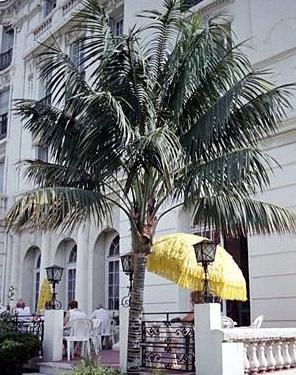
Kentia Palm is widely regarded as one of the finest houseplants in the world and has been a symbol of elegance and sophistication for more than a century. Native to the remote Lord Howe Island in the Tasman Sea between Australia and New Zealand, this graceful palm is prized for its arching fronds, refined appearance, and remarkable ability to thrive indoors.
Unlike many palms that require intense sunlight and tropical conditions, Kentia Palm adapts beautifully to homes, offices, hotels, and conservatories. Its durability and timeless beauty have made it one of the most beloved indoor palms ever introduced into cultivation.
Plant CharacteristicsKentia Palm develops a slender trunk topped by elegant, feather-like fronds that arch gracefully outward. The deep green foliage creates a lush tropical appearance without appearing overly dense or coarse.
In containers, plants typically reach 6 to 12 feet in height over time, although growth is relatively slow and manageable.
The overall appearance is refined, graceful, and perfectly suited to interior spaces.
Landscape UsesIn frost-free climates, Kentia Palm can be used as a specimen palm in shaded tropical gardens, courtyards, and resort landscapes.
However, its greatest fame comes from its use as an indoor ornamental plant.
One of the World's Finest HouseplantsKentia Palm is often considered the gold standard for indoor palms. It tolerates lower light conditions better than most palms, adapts well to average indoor humidity, and remains attractive for many years with minimal maintenance.
Its elegant growth habit makes it ideal for:
- Living rooms.
- Offices.
- Sunrooms.
- Hotel lobbies.
- Conservatories.
- Commercial interiors.
- Large decorative containers.
Few palms possess its combination of beauty, adaptability, and longevity indoors.
Cold HardinessKentia Palm is generally suitable for USDA Zones 10-11 outdoors.
It tolerates cool temperatures better than many tropical palms but should be protected from freezing conditions.
Container GrowingContainer culture is where Kentia Palm truly excels. It grows slowly, requires infrequent repotting, and develops into a magnificent long-lived specimen.
Use a rich, well-drained potting mix and allow the soil surface to dry slightly between waterings.
Avoid overwatering, which is one of the few problems this palm commonly encounters.
GerminationSow fresh seeds in a warm, moist growing medium and maintain temperatures between 80°F and 90°F.
Germination can be slow and may require several months, but seedlings are generally vigorous once established.
Growing InformationKentia Palm performs best in bright indirect light but tolerates lower light levels remarkably well. Avoid prolonged direct afternoon sun, especially indoors.
Moderate watering, occasional feeding, and protection from cold drafts will keep plants healthy and attractive.
The species is notably forgiving of indoor conditions compared to most palms.
Wildlife ValueIn its native habitat, the fruits provide food for birds and other wildlife. Mature outdoor specimens also offer shelter and nesting opportunities.
Interesting Botanical FactsKentia Palm is endemic to Lord Howe Island, one of the most isolated inhabited islands on Earth.
The species became famous during the Victorian era because it could survive indoors in the dimly lit homes of the nineteenth century.
It remains one of the few palms that genuinely thrives under typical household conditions.
Historical NotesDuring the late Victorian and Edwardian periods, Kentia Palm became a status symbol in Europe and North America. Wealthy families displayed large specimens in parlors, conservatories, and grand entrances.
The palm's popularity became so widespread that it was often featured in period photographs, hotels, and public buildings.
Even today, many historic hotels continue to use Kentia Palms as signature interior plants.
Growing TipResist the temptation to overwater. Kentia Palm prefers slightly moist conditions but generally performs better when allowed to dry slightly between waterings.
Seedman NoteIf you could choose only one palm as a houseplant, Kentia Palm would be among the very best choices. Its graceful appearance, durability, and adaptability have earned it a reputation that few indoor plants can match.
Additional Seedman NoteIf Royal Palm represents tropical grandeur outdoors, Kentia Palm represents indoor elegance. For more than a century it has graced the homes of royalty, luxury hotels, ocean liners, and conservatories around the world. Remarkably, this famous palm comes from a tiny island barely seven miles long, proving that some of the world's greatest plants can arise from the most remote places. Few houseplants possess such a fascinating history or such timeless beauty.
For over a thousand more unique seed varieties, all in stock and ready to ship, visit our Seed Catalog Index Page .