
Parlour Palm Seeds
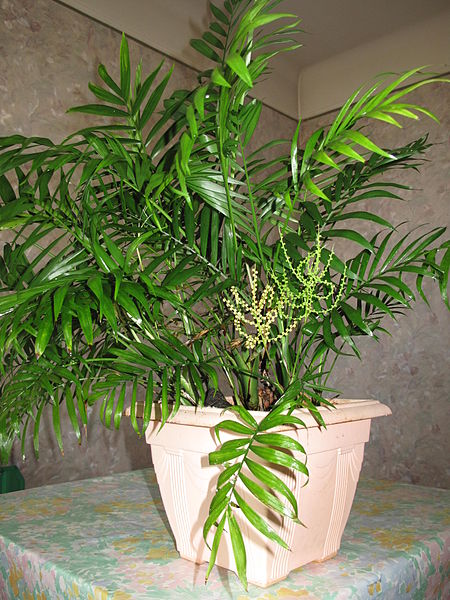
Parlour Palm is one of the most beloved and successful houseplants ever introduced into cultivation. Native to the rainforests of southern Mexico and Guatemala, this elegant palm has graced homes, hotels, offices, and conservatories for well over a century. Its graceful foliage, compact size, and remarkable tolerance of indoor conditions have earned it a reputation as one of the finest indoor palms in the world.
Few plants have enjoyed such enduring popularity. From Victorian parlors to modern apartments, Chamaedorea elegans remains a timeless favorite for bringing a touch of the tropics indoors.
Plant CharacteristicsParlour Palm develops slender green stems topped with delicate feather-like fronds. Mature indoor plants typically reach 3 to 6 feet in height, making them ideal for homes and offices.
The finely textured foliage creates a soft, graceful appearance that complements almost any decorating style.
Its naturally compact growth habit allows it to fit comfortably into smaller spaces.
One of the World's Best HouseplantsParlour Palm is often considered the easiest palm to grow indoors. It tolerates lower light levels, average household humidity, and occasional neglect better than many other palms.
It is especially suited for:
- Living rooms.
- Bedrooms.
- Offices.
- Apartments.
- Sunrooms.
- Reception areas.
- Indoor tropical displays.
Its forgiving nature makes it an excellent choice for both beginning and experienced plant enthusiasts.
Outdoor Landscape UsesIn frost-free climates, Parlour Palm can be used as a shade garden palm, understory planting, tropical border specimen, or courtyard accent.
It performs best when protected from harsh direct sunlight.
Cold HardinessParlour Palm is generally suitable for USDA Zones 10-11 outdoors.
As a houseplant, it can be enjoyed year-round in virtually any climate.
Container GrowingContainer culture is where this species truly shines. Parlour Palm can remain attractive in the same container for years and generally prefers being slightly root-bound.
Use a well-drained potting mix and allow the soil surface to dry slightly between waterings.
Avoid overwatering, which is the most common cause of problems.
GerminationSow seeds in a warm, moist growing medium and maintain temperatures between 80°F and 90°F. Consistent warmth and humidity improve germination success.
Seedlings are slow-growing but establish steadily under favorable conditions.
Growing InformationParlour Palm thrives in bright indirect light but tolerates low-light conditions exceptionally well. Avoid prolonged direct sunlight, which may scorch the delicate foliage.
Moderate watering, occasional feeding, and protection from cold drafts will keep plants healthy and attractive.
The species is notably adaptable to indoor environments.
Wildlife ValueIn its native rainforest habitat, the fruits provide food for birds and wildlife. Indoors, the palm occasionally produces small flowers and berries on mature plants.
Interesting Botanical FactsParlour Palm belongs to the genus Chamaedorea, one of the largest groups of understory palms in the Americas.
Its ability to thrive in low light comes from its natural habitat beneath the rainforest canopy.
The species is one of the few palms that genuinely prospers under ordinary household lighting conditions.
Historical NotesDuring the Victorian era, Parlour Palm became one of the most fashionable houseplants in Europe and North America. Wealthy households displayed specimens in drawing rooms and parlors, giving rise to its common name.
The palm's ability to tolerate the dim indoor conditions of the nineteenth century helped establish its reputation as an exceptional houseplant.
More than 150 years later, it remains one of the world's best-selling indoor palms.
Growing TipKeep the palm away from hot heating vents and cold drafts. Stable temperatures help maintain lush, healthy foliage.
Seedman NoteIf you are looking for a palm that combines beauty, durability, and ease of care, Parlour Palm is difficult to surpass. It has earned its reputation through generations of dependable performance indoors.
Additional Seedman NoteIf Kentia Palm is the king of houseplant palms, Parlour Palm may well be the queen. Elegant, adaptable, and remarkably forgiving, it has decorated homes through Victorian times, the Art Deco era, and the modern age. Few plants can claim such a long history of indoor success. For gardeners seeking a true classic, Parlour Palm remains one of the finest houseplants ever introduced into cultivation.
For over a thousand more unique seed varieties, all in stock and ready to ship, visit our Seed Catalog Index Page .

Contact Us | Privacy Policy | About Us
Serving gardeners since 1992
State of Mississippi Seedmen's Permit #C-391, Ohio 90152, Minnesota 20086777