
Ponytail Palm Seeds
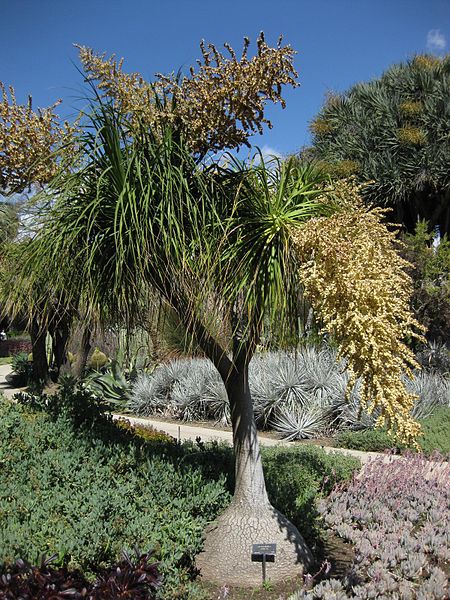

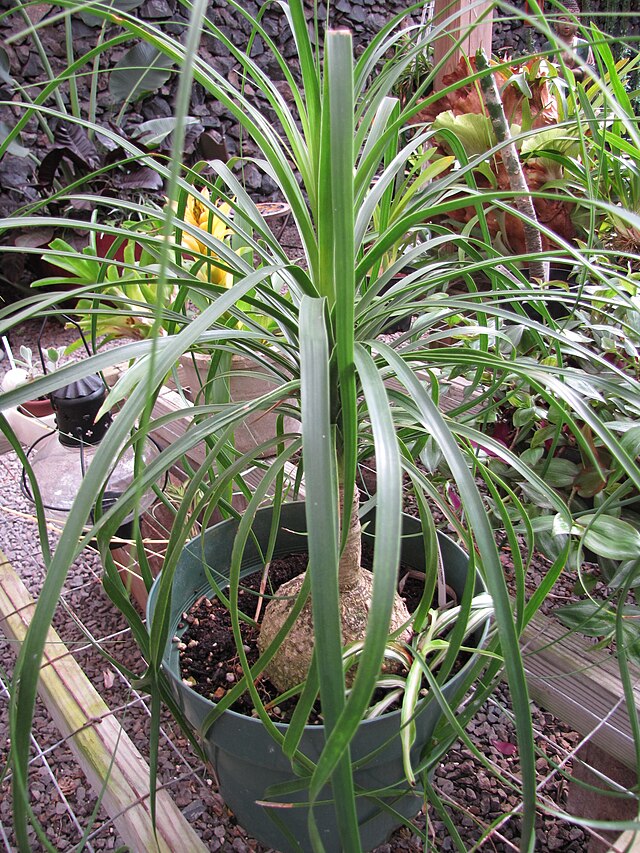
The Ponytail Palm is one of the most unusual and eye-catching plants grown by collectors. Despite its common name, it is not a true palm but rather a drought-adapted succulent relative of agaves and yuccas. Native to the dry rocky regions of Mexico, Beaucarnea stricta is prized for its dramatically swollen trunk base, known as a caudex, which serves as a natural water reservoir. This remarkable adaptation allows the plant to survive long periods of drought while maintaining its distinctive ornamental appearance.
Mature specimens develop massive bottle-shaped trunks topped with fountains of narrow green leaves, creating a sculptural appearance unlike almost any other landscape plant.
Plant Characteristics- Botanical Name: Beaucarnea stricta
- Common Names: Ponytail Palm, Bottle Palm, Elephant Foot Tree
- Plant Type: Succulent Tree
- Mature Height: 10 to 20 feet
- Mature Spread: 6 to 12 feet
- Growth Rate: Slow
- USDA Zones: 9b to 11
- Cold Hardiness: Approximately 20°F (-6°C)
- Sun Exposure: Full Sun to Partial Sun
- Soil Requirements: Excellent drainage is essential
Ponytail Palm is often used as a dramatic focal point in landscapes where its unique trunk and graceful foliage can be fully appreciated.
- Desert gardens
- Xeriscape landscapes
- Container specimens
- Rock gardens
- Courtyard plantings
- Collector gardens
- Architectural landscape features
Its distinctive silhouette makes it especially effective when planted as a standalone specimen.
Important Plant NoteThe massive swollen trunk is not merely ornamental. It serves as a water-storage organ that allows the plant to survive prolonged droughts in its native habitat. Older specimens can develop remarkably large caudexes that become even more impressive with age.
Germination Information- Sow seeds in a well-draining cactus or succulent mix.
- Maintain temperatures between 75°F and 90°F.
- Keep lightly moist but never wet.
- Provide bright indirect light.
- Germination typically occurs within 2 to 6 weeks.
Fresh seed generally provides the highest germination rates.
Growing Information- Plant in very well-drained soil.
- Allow soil to dry between waterings.
- Provide full sun for best growth.
- Avoid overwatering.
- Protect from prolonged freezing temperatures.
- Requires very little maintenance once established.
Ponytail Palm thrives in hot, dry conditions and often performs better with neglect than excessive care.
Drought ToleranceThis species is among the most drought-resistant ornamental plants in cultivation. The swollen trunk stores water for future use, allowing the plant to survive extended dry periods that would severely stress many other landscape plants.
Wildlife ValueMature plants produce large clusters of creamy-white flowers that attract bees, butterflies, and other pollinators. Flowering typically occurs only on older specimens.
Historical and Cultural TidbitsThe native peoples of Mexico have long recognized the remarkable drought tolerance of Beaucarnea species. These plants evolved in regions where rainfall can be highly seasonal and unpredictable.
As collectors discovered the extraordinary swollen trunks of mature specimens, Ponytail Palm became increasingly popular in botanical gardens and specialty plant collections around the world.
Today, some ancient specimens are considered living sculptures and are highly prized by collectors.
Botanical Facts- Beaucarnea stricta is not a true palm.
- It is more closely related to agaves, yuccas, and other succulent plants.
- The swollen trunk base is called a caudex.
- Leaves may remain attractive year-round.
- Mature plants can live for many decades.
- Older specimens often become increasingly valuable as the trunk enlarges.
Among all caudiciform plants, few develop a trunk as dramatic as Ponytail Palm. The combination of a giant water-storing base and fountain-like foliage creates a truly unforgettable specimen. Large mature plants often become centerpieces in botanical gardens, succulent collections, and specialty landscapes.
Interesting FactSome very old Ponytail Palms develop trunk bases several feet in diameter and can weigh hundreds of pounds. These swollen trunks serve as living reservoirs, storing water collected during rainy periods and allowing the plant to endure years of drought.
Collector Plant Rating: ★★★★★A remarkable drought-adapted succulent tree featuring one of the most distinctive swollen trunks in the plant kingdom and exceptional long-term landscape value.
For additional growing information, see our Ponytail Palm Seeds AI fact sheet.
For over a thousand more unique seed varieties, all in stock and ready to ship, visit our Seed Catalog Index Page .

Contact Us | Privacy Policy | About Us
Serving gardeners since 1992
State of Mississippi Seedmen's Permit #C-391, Ohio 90152, Minnesota 20086777