
Queen Palm Seeds
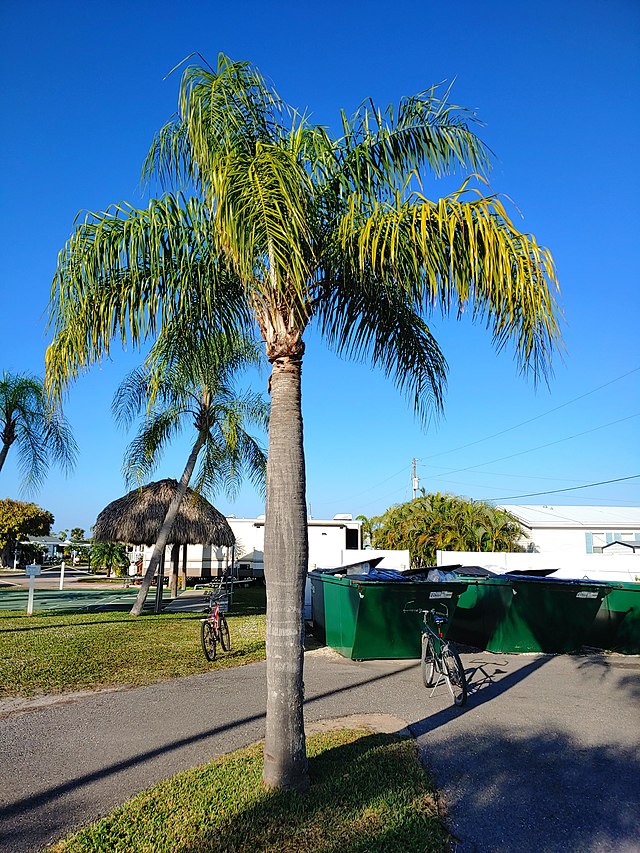
Queen Palm is one of the most widely planted and beloved ornamental palms in the world. Native to Brazil, Argentina, Paraguay, and Uruguay, this graceful feather palm is admired for its elegant arching fronds, smooth trunk, rapid growth, and stately appearance.
With its classic tropical silhouette and adaptability to a wide range of climates, Syagrus romanzoffiana has become a signature feature of parks, resorts, golf courses, boulevards, and residential landscapes throughout warm regions of the world.
Few palms combine beauty, affordability, and landscape performance as successfully as the Queen Palm.
Plant CharacteristicsQueen Palm develops a smooth gray trunk topped by a large crown of gracefully arching feather-like fronds. Mature specimens commonly reach 30 to 50 feet in height, creating an elegant and distinctly tropical appearance.
The long, plumose leaflets give the canopy a soft, flowing texture that moves beautifully in the breeze.
Its symmetrical form and rapid growth make it one of the most popular landscape palms available.
Landscape UsesThis species is ideal for avenue plantings, golf courses, parks, tropical gardens, resort landscapes, poolside settings, and large residential properties.
Queen Palm is especially impressive when planted in rows along roads, driveways, and walkways.
Its graceful appearance complements both formal and informal landscape designs.
Cold HardinessQueen Palm is generally suitable for USDA Zones 9a-11.
It tolerates light frosts and occasional cool weather better than many tropical palms.
This adaptability contributes significantly to its popularity.
Container GrowingYoung plants may be grown in large containers for several years, but their eventual size makes landscape planting preferable for long-term growth.
Provide good drainage and adequate nutrition for best results.
GerminationSow fresh seeds in a warm, moist growing medium and maintain temperatures between 80°F and 95°F.
Fresh seed generally germinates readily when warmth and moisture remain consistent.
Seedlings establish quickly and often display vigorous growth.
Growing InformationQueen Palm thrives in full sun and fertile, well-drained soils. Regular watering during establishment encourages rapid growth.
Once established, it demonstrates moderate drought tolerance but performs best when provided with occasional deep watering during dry periods.
Supplemental nutrition helps maintain lush green foliage.
Wildlife ValueThe bright orange fruits attract birds, squirrels, and other wildlife.
Flower clusters provide nectar and pollen for pollinating insects.
In many landscapes, Queen Palm contributes both beauty and ecological value.
Interesting Botanical FactsQueen Palm produces large clusters of bright orange fruits that may contain thousands of seeds.
The species is among the fastest-growing large ornamental palms.
Its scientific name honors the Russian noble family Romanzoff, patrons of early botanical exploration.
Historical NotesDuring the twentieth century, Queen Palm became one of the defining landscape palms of Florida, California, Australia, and many subtropical regions worldwide.
Its combination of beauty, rapid growth, and adaptability made it a favorite among landscape architects and homeowners alike.
Today it remains one of the most recognizable ornamental palms in cultivation.
Growing TipProvide periodic fertilization, especially in sandy soils. Queen Palms are relatively heavy feeders and respond with richer foliage and stronger growth.
Seedman NoteQueen Palm offers classic tropical beauty with dependable performance. Its graceful canopy and rapid growth make it one of the finest landscape palms available.
Additional Seedman NoteIf Royal Palm represents grandeur and Kentia Palm represents elegance, Queen Palm represents grace. The long arching fronds seem to flow like green fountains above the landscape, creating movement and softness that few palms can match. It is easy to understand why generations of gardeners and landscape designers have chosen Queen Palm as one of the signature trees of the subtropics.
For over a thousand more unique seed varieties, all in stock and ready to ship, visit our Seed Catalog Index Page .