
Sabal Palmetto Palm Seeds
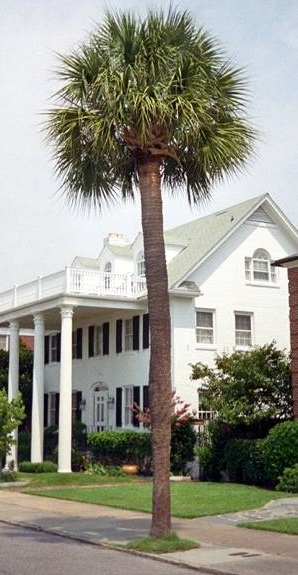
Sabal Palmetto Palm, commonly known as the Cabbage Palm, is one of the most iconic palms in North America. Native to the southeastern United States, Cuba, the Bahamas, and portions of the Caribbean, this stately fan palm has become a symbol of coastal landscapes, southern heritage, and remarkable resilience. It serves as the official state tree of both South Carolina and Florida.
Renowned for its graceful fan-shaped leaves, towering trunk, and ability to withstand hurricanes, salt spray, drought, and occasional freezes, Sabal palmetto is among the toughest and most dependable palms ever introduced into cultivation.
Plant CharacteristicsSabal Palmetto develops a solitary trunk topped by a dense canopy of large fan-shaped leaves. Mature specimens commonly reach 30 to 60 feet in height, although exceptional trees may grow even taller under ideal conditions.
The trunk often displays distinctive boot-like leaf scars when young, eventually becoming smoother with age. The broad canopy creates a classic tropical silhouette recognized throughout the southeastern United States.
Landscape UsesThis palm is ideal for coastal plantings, avenue plantings, parks, streetscapes, resort landscapes, wildlife gardens, and large residential properties.
Its exceptional tolerance of salt, wind, heat, and drought makes it one of the finest palms for coastal environments.
Whether planted as a specimen tree or in grand rows, Sabal Palmetto creates an unmistakable southern charm.
Cold HardinessSabal Palmetto is one of the most cold-hardy trunk-forming palms available and is generally suitable for USDA Zones 8a-11.
Established specimens have survived temperatures that would severely damage many tropical palms.
This combination of tropical appearance and cold tolerance has made it popular throughout much of the southern United States.
Container GrowingYoung plants may be grown in containers for several years, but their eventual size makes landscape planting preferable for long-term growth.
Use a well-drained growing medium and provide regular watering during establishment.
GerminationSow fresh seeds in a warm, moist growing medium and maintain temperatures between 80°F and 95°F.
Fresh seed typically germinates reliably when provided with warmth and consistent moisture.
Seedlings establish slowly at first but develop into remarkably durable plants.
Growing InformationSabal Palmetto thrives in full sun and adapts to a wide range of soil conditions including sand, clay, and coastal soils.
Once established, it demonstrates exceptional drought tolerance while also tolerating periodic flooding.
Few palms can match its adaptability to challenging growing conditions.
Wildlife ValueThe flowers attract bees and other pollinating insects, while the fruits provide food for birds, raccoons, squirrels, and numerous wildlife species.
Mature trees also provide nesting sites and shelter for a variety of birds and beneficial wildlife.
Interesting Botanical FactsThe common name "Cabbage Palm" comes from the edible terminal bud once harvested as "swamp cabbage."
Sabal Palmetto produces enormous flower stalks that extend well beyond the canopy and may contain thousands of individual flowers.
Its deep root system helps anchor the palm during severe storms and hurricanes.
Historical NotesSabal Palmetto played a remarkable role in American history. During the American Revolution, palmetto-log fortifications on Sullivan's Island near Charleston absorbed British cannon fire during the Battle of Sullivan's Island in 1776.
The victory became one of South Carolina's most famous historical events and is commemorated on the state's flag, which prominently features a palmetto tree.
For centuries, Native Americans and early settlers used the leaves for thatching, weaving, baskets, and shelter construction.
Growing TipOnce established, Sabal Palmetto requires remarkably little maintenance. It thrives in locations where many other palms struggle and often improves with age.
Seedman NoteSabal Palmetto is one of the finest landscape palms ever introduced into cultivation. Its combination of beauty, toughness, and historical significance makes it a standout choice for gardeners throughout the South.
Additional Seedman NoteIf Royal Palm represents tropical elegance and Texas Palmetto represents frontier heritage, Sabal Palmetto represents endurance. Hurricanes, droughts, floods, salt spray, and centuries of history have all helped shape this remarkable palm. From the beaches of Florida to the historic streets of Charleston, few trees are more deeply woven into the story of the American South. For beauty, toughness, and historical importance, Sabal Palmetto stands among the greatest palms in the world.
For additional growing information, see our Sabal Palmetto Palm Seeds AI fact sheet.
For over a thousand more unique seed varieties, all in stock and ready to ship, visit our Seed Catalog Index Page .

Contact Us | Privacy Policy | About Us
Serving gardeners since 1992
State of Mississippi Seedmen's Permit #C-391, Ohio 90152, Minnesota 20086777