
Saw Palmetto Palm Seeds
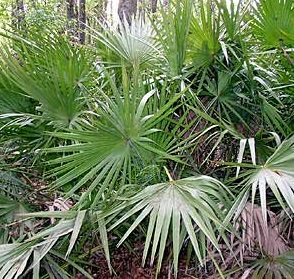
Saw Palmetto Palm is one of the most iconic native palms of the southeastern United States and among the most ecologically important palms in North America. Native to Florida, Georgia, Alabama, Mississippi, South Carolina, and portions of the Gulf Coast, this rugged and adaptable species forms vast colonies that dominate millions of acres of natural habitat.
Unlike towering tropical palms, Serenoa repens grows as a low, spreading palm that thrives in sandy soils, pine forests, coastal dunes, and open scrublands. Its toughness, wildlife value, and historical significance have made it one of the most respected native plants in the American South.
Plant CharacteristicsSaw Palmetto typically grows 3 to 8 feet tall, although some very old specimens may develop creeping trunks extending many feet along the ground.
The fan-shaped leaves range from rich green to silvery-blue depending on the population and growing conditions.
Dense colonies can form extensive thickets that provide shelter for countless wildlife species.
Landscape UsesThis species is ideal for native landscapes, coastal gardens, wildlife plantings, xeriscapes, naturalized settings, and low-maintenance landscapes.
Its rugged nature makes it especially valuable where drought, poor soils, heat, or salt exposure challenge other plants.
It is equally effective as a specimen plant or mass planting.
Cold HardinessSaw Palmetto is generally suitable for USDA Zones 7b-11.
It tolerates heat, humidity, occasional freezes, hurricanes, drought, and coastal conditions with remarkable resilience.
Few palms are better adapted to the challenges of the southeastern United States.
Container GrowingYoung plants may be grown in large containers for many years.
Use a well-drained growing medium and provide abundant sunlight.
Its slow growth rate makes container maintenance relatively easy.
GerminationSow fresh seeds in a warm, moist growing medium and maintain temperatures between 80°F and 95°F.
Germination may be somewhat slow and irregular.
Patience is often rewarded with vigorous seedlings that become increasingly durable with age.
Growing InformationSaw Palmetto thrives in full sun and adapts to a wide range of soils, including sand, coastal soils, and nutrient-poor sites.
Once established, it demonstrates outstanding drought tolerance and requires very little maintenance.
The species often survives conditions that would eliminate less-adapted plants.
Wildlife ValueFew native palms rival Saw Palmetto for wildlife importance.
The flowers attract large numbers of bees and pollinating insects, while the fruits provide food for bears, deer, raccoons, foxes, wild turkeys, and numerous bird species.
Dense colonies provide nesting cover and shelter for a wide variety of wildlife.
Interesting Botanical FactsThe leaf stems contain small, sharp teeth that inspired the common name "Saw Palmetto."
Some colonies are believed to be several centuries old.
The plant often spreads slowly through underground growth, forming large natural communities over time.
Silver-leaved forms are especially prized by gardeners and collectors.
Historical NotesNative American tribes utilized Saw Palmetto for food, fiber, roofing materials, baskets, and medicinal purposes long before European settlement.
Early settlers also recognized its value and used various parts of the plant for practical applications.
The fruits later became famous worldwide through their use in herbal preparations and traditional medicine.
Growing TipPlant in full sun whenever possible. The best foliage color and strongest growth usually occur in bright, open locations.
Seedman NoteSaw Palmetto is one of the toughest native palms available. Its adaptability, wildlife value, and natural beauty make it a valuable addition to both cultivated landscapes and restoration projects.
Additional Seedman NoteIf Sabal Palmetto represents the history of the South and Dwarf Palmetto represents cold-hardy toughness, Saw Palmetto represents survival. Hurricanes, droughts, wildfires, poor soils, and intense summer heat have shaped this remarkable species for thousands of years. It may not be the tallest palm, but it is undoubtedly one of the most successful and ecologically important palms in North America.
For additional growing information, see our Saw Palmetto Palm Seeds AI fact sheet.
For over a thousand more unique seed varieties, all in stock and ready to ship, visit our Seed Catalog Index Page .

Contact Us | Privacy Policy | About Us
Serving gardeners since 1992
State of Mississippi Seedmen's Permit #C-391, Ohio 90152, Minnesota 20086777