
Texas Palmetto Palm Seeds
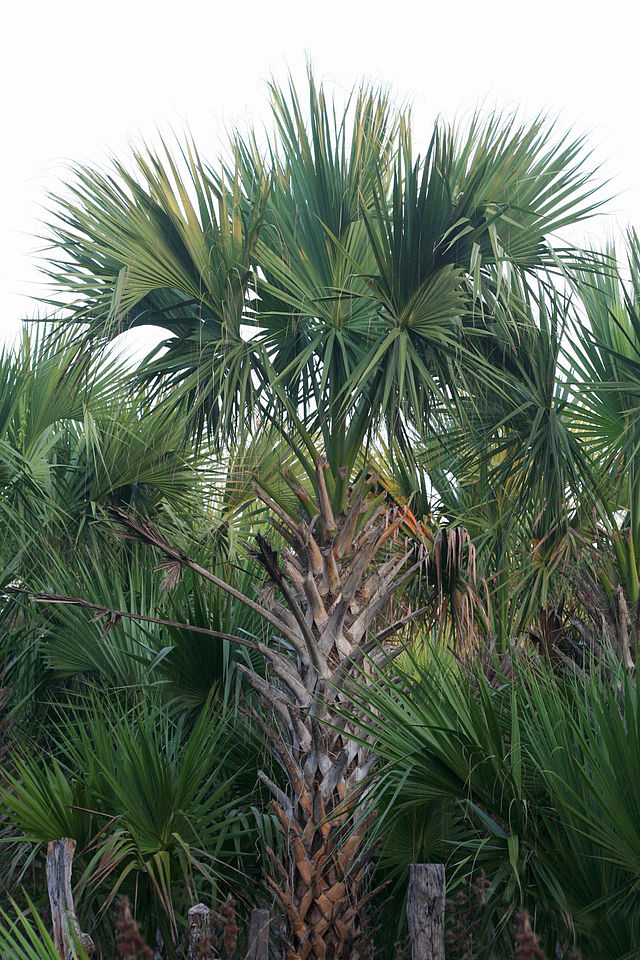

Texas Palmetto Palm is one of the most important native palms in North America and the largest naturally occurring palm in the United States. Native to the Lower Rio Grande Valley of Texas and northeastern Mexico, this magnificent species combines tropical beauty, impressive size, and exceptional durability. For generations, it has served as a symbol of the American Gulf Coast and the subtropical landscapes of South Texas.
Unlike many exotic palms introduced from distant lands, Texas Palmetto is part of America's own natural heritage. Its towering trunk and massive fan-shaped leaves create a tropical appearance that rivals many famous palms from around the world.
Plant CharacteristicsTexas Palmetto develops a stout trunk topped by a large crown of fan-shaped leaves. Mature specimens commonly reach 30 to 50 feet in height, with exceptional trees occasionally growing even taller.
The broad green leaves create a full canopy that provides excellent texture and shade in the landscape.
Mature trees develop a commanding presence that reflects their importance in native ecosystems.
Landscape UsesThis palm is ideal for avenue plantings, parks, wildlife landscapes, native gardens, coastal landscapes, and large residential properties.
Its durability and adaptability make it especially useful in areas where tropical appearance and low maintenance are both desired.
Texas Palmetto is equally at home in formal landscapes and naturalized settings.
Cold HardinessTexas Palmetto is among the more cold-hardy trunk-forming palms and is generally suitable for USDA Zones 8b-11.
Established specimens tolerate occasional freezes better than many tropical palms, making them valuable in marginal palm-growing regions.
This hardiness has contributed greatly to its popularity.
Container GrowingYoung plants may be grown in containers for several years, but their eventual size makes permanent landscape planting the preferred option.
Provide a well-drained growing medium and regular watering during establishment.
GerminationSow fresh seeds in a warm, moist growing medium and maintain temperatures between 80°F and 95°F.
Fresh seed generally germinates readily when consistent warmth and moisture are provided.
Seedlings establish steadily and develop strong root systems.
Growing InformationTexas Palmetto thrives in full sun and adapts to a wide range of soil conditions, including sandy, clay, and coastal soils.
Once established, it demonstrates excellent tolerance of heat, humidity, wind, and periodic drought.
Its adaptability makes it one of the most dependable large fan palms available.
Wildlife ValueFew palms provide greater wildlife value. The fruits are consumed by numerous bird species, raccoons, opossums, and other native wildlife.
The canopy also provides shelter and nesting sites for birds and beneficial animals.
In its native range, the palm plays an important ecological role.
Interesting Botanical FactsTexas Palmetto produces enormous flower stalks that extend well beyond the canopy and may carry thousands of blossoms.
The species is among the largest members of the Sabal genus.
Its massive fan leaves can reach impressive sizes, helping create its unmistakable tropical appearance.
Historical NotesBefore settlement transformed the Lower Rio Grande Valley, extensive palm forests once covered portions of South Texas. These native palm groves were among the northernmost naturally occurring palm forests in the Western Hemisphere.
Native peoples utilized the leaves for thatching, weaving, and shelter materials long before European arrival.
Today, remnant groves remain important conservation areas and serve as living reminders of the region's natural history.
Growing TipAllow plenty of room for mature development. Texas Palmetto eventually becomes a substantial landscape tree with a broad canopy and impressive trunk.
Seedman NoteTexas Palmetto combines native heritage, wildlife value, and tropical beauty in a single remarkable palm. It is one of the finest choices for gardeners seeking a large, durable fan palm.
Additional Seedman NoteIf Royal Palm represents the Caribbean and Windmill Palm represents cold hardiness, Texas Palmetto represents the American frontier. Long before highways, cities, and subdivisions appeared, vast palm groves lined the Rio Grande Valley and sheltered countless birds and wildlife. Standing beneath a mature Texas Palmetto today is a glimpse into a landscape that once existed across much of South Texas, making this species not only a beautiful palm but also a living piece of American natural history.
For additional growing information, see our Texas Palmetto Palm Seeds AI fact sheet.
For over a thousand more unique seed varieties, all in stock and ready to ship, visit our Seed Catalog Index Page .

Contact Us | Privacy Policy | About Us
Serving gardeners since 1992
State of Mississippi Seedmen's Permit #C-391, Ohio 90152, Minnesota 20086777