
Waggie Palm Seeds
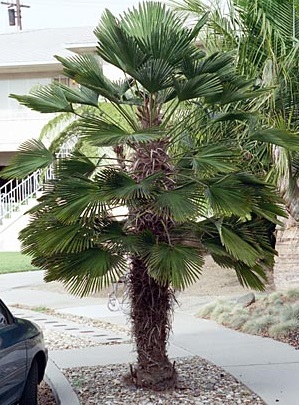
Waggie Palm is one of the toughest, most wind-resistant, and most desirable cold-hardy palms in cultivation. Closely related to the famous Windmill Palm, this remarkable species is prized for its compact crown, stiff fan-shaped leaves, and exceptional ability to withstand weather conditions that damage many other palms.
Often considered a premium version of the Windmill Palm, Trachycarpus wagnerianus combines elegance, durability, and manageable size, making it a favorite among collectors, landscape designers, and gardeners in cooler climates.
Its reputation for reliability has earned it a place among the finest cold-hardy palms available.
Plant CharacteristicsWaggie Palm develops a stout trunk covered with coarse brown fibers and topped by a dense crown of compact fan-shaped leaves. Mature specimens generally reach 10 to 20 feet in height, making them smaller and more manageable than many landscape palms.
The leaves are noticeably smaller, thicker, and stiffer than those of the common Windmill Palm.
This distinctive foliage gives the palm a neat, orderly appearance even during strong winds.
Landscape UsesThis species is ideal for courtyards, foundation plantings, Japanese gardens, patio landscapes, collector gardens, and cold-climate tropical plantings.
Its compact proportions make it particularly valuable in residential settings where larger palms may be impractical.
Waggie Palm serves equally well as a specimen plant or focal point.
Cold HardinessWaggie Palm is among the most cold-hardy trunk-forming palms available and is generally suitable for USDA Zones 7-10.
Established specimens tolerate winter conditions that would severely damage many tropical species.
This exceptional hardiness has made it highly sought after in temperate climates.
Container GrowingWaggie Palm performs exceptionally well in large containers and can remain an attractive patio specimen for many years.
Its moderate growth rate and compact habit make it one of the best palms for long-term container culture.
Provide a well-drained growing medium and adequate sunlight.
GerminationSow fresh seeds in a warm, moist growing medium and maintain temperatures between 75°F and 90°F.
Consistent warmth and moisture encourage reliable germination.
Seedlings establish steadily and develop attractive fan leaves at an early age.
Growing InformationWaggie Palm thrives in full sun to partial shade and adapts to a wide range of soil conditions provided drainage is adequate.
Once established, it demonstrates good drought tolerance and remarkable resistance to wind, snow, and cold weather.
It is one of the easiest palms to maintain.
Wildlife ValueThe flowers attract pollinating insects, while the fruits may be consumed by birds and wildlife.
Mature specimens also provide shelter and nesting opportunities for beneficial wildlife.
Interesting Botanical FactsUnlike many palms whose leaves shred in storms, Waggie Palm's stiff compact fronds remain remarkably attractive even after severe weather.
Many experts believe the species originated from cultivated selections in Japan rather than a naturally occurring wild population.
Its exact origin remains one of the intriguing mysteries of the palm world.
Historical NotesWaggie Palm became known to Western horticulture through cultivated specimens imported from Japan during the nineteenth century.
Its superior appearance and weather resistance quickly gained attention among European gardeners.
Today it is widely regarded as one of the finest ornamental palms for temperate climates.
Growing TipIf your area experiences strong winds, snow, or winter storms, Waggie Palm is often a better choice than standard Windmill Palm because of its sturdier foliage.
Seedman NoteWaggie Palm combines the toughness of Windmill Palm with a more refined appearance. Its compact crown and weather resistance make it one of the most dependable landscape palms available.
Additional Seedman NoteIf Windmill Palm represents hardiness and Mazari Palm represents resilience, Waggie Palm represents perfection through refinement. It takes all the strengths that made Windmill Palm famous and improves upon them with stronger leaves, greater wind resistance, and a tidier appearance. For many experienced palm growers, Waggie Palm is not merely a good palm—it is the palm they would choose if they could grow only one.
For over a thousand more unique seed varieties, all in stock and ready to ship, visit our Seed Catalog Index Page .

Contact Us | Privacy Policy | About Us
Serving gardeners since 1992
State of Mississippi Seedmen's Permit #C-391, Ohio 90152, Minnesota 20086777