
Fragrant Passionflower Seeds
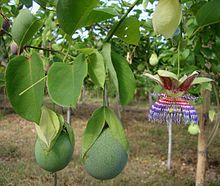

Fragrant Passionflower is a beautiful tropical vine prized for its exotic flowers, sweetly scented blooms, edible fruits, and vigorous growth. Native to tropical regions of South America and the Caribbean, this remarkable species produces some of the most intricate flowers in the plant kingdom while rewarding gardeners with aromatic, melon-like fruits.
Unlike many passionflowers that are grown primarily for their ornamental value, Passiflora maliformis offers both spectacular floral displays and delicious edible fruit. The fragrant blossoms attract pollinators from great distances, while the attractive fruits have been enjoyed throughout tropical America for centuries.
Plant Characteristics- Botanical Name: Passiflora maliformis
- Common Names: Fragrant Passionflower, Sweet Calabash, Sweet Cup Passion Fruit
- Plant Type: Evergreen tropical fruiting vine
- USDA Zones: 10-11
- Height: 15-40 feet or more
- Spread: Variable depending on support structure
- Sun Requirements: Full sun
- Flower Color: White, lavender, purple, and blue
- Bloom Time: Spring through fall
- Fruit Color: Green ripening to yellow-green or tan
The fruits are round, hard-shelled, and filled with aromatic orange pulp surrounding edible black seeds. The flavor is sweet, tropical, and highly refreshing, often described as a blend of passion fruit, melon, citrus, and guava.
- Fresh eating
- Fruit juices
- Smoothies
- Tropical desserts
- Jellies and preserves
- Ice cream flavoring
- Fruit beverages
- Specialty tropical recipes
The pleasantly aromatic pulp is considered one of the finest among edible passionfruit species.
Important NoteThe fruits are often protected by an unusually hard outer shell. This natural armor helps protect the sweet pulp inside from insects and wildlife. Mature fruits are typically harvested when fully colored and fragrant.
Germination Instructions- Remove seeds from ripe fruit.
- Wash thoroughly to remove all pulp.
- Soak seeds in warm water for 24 hours.
- Sow approximately 1/4 inch deep in a well-drained growing medium.
- Maintain temperatures between 75-85°F.
- Keep soil consistently moist.
- Provide bright light.
- Germination generally occurs within 2-8 weeks but may occasionally take longer.
Fragrant Passionflower thrives in warm, humid climates with full sun exposure and fertile, well-drained soil. Like many passionflowers, it is a vigorous climber that quickly covers trellises, fences, pergolas, and arbors.
Regular watering and occasional fertilization encourage abundant flowering and fruit production. The vine benefits from pruning to maintain shape and stimulate new growth.
In suitable climates, plants can flower and fruit over an extended season.
Container GrowingFragrant Passionflower adapts well to large containers.
- Use containers of at least 15-25 gallons.
- Provide sturdy support structures.
- Use fertile, well-drained potting soil.
- Maintain consistent moisture.
- Place in full sun.
- Prune regularly to control growth.
Container culture allows gardeners in cooler regions to grow this tropical vine in greenhouses, sunrooms, or protected patios.
Pollinator ValueThe highly fragrant flowers attract bees, butterflies, carpenter bees, and numerous beneficial pollinators. The sweet scent helps guide pollinators to the flowers, increasing pollination success and fruit production.
The blooms are among the most visually complex and biologically fascinating flowers found in the tropical world.
Wildlife ValueThe dense vines provide shelter for birds and beneficial insects. Flowers support pollinators, while fruits may be enjoyed by wildlife in suitable growing regions.
Several butterfly species utilize passionflower vines as host plants for their caterpillars.
Historical and Cultural SignificanceFragrant Passionflower has been cultivated throughout tropical America for centuries. Indigenous peoples valued both the fruits and the ornamental beauty of the vine long before European exploration.
As passionflower species spread throughout Europe during the sixteenth and seventeenth centuries, they became famous for their extraordinary blossoms and unusual symbolism. Botanists, missionaries, and gardeners alike were captivated by their intricate floral structures.
Today, Fragrant Passionflower remains a treasured fruit and ornamental plant throughout many tropical regions.
Interesting Botanical Facts- The flowers are naturally fragrant, unlike some passionflower species that have little scent.
- The hard fruit shell inspired the common name "Sweet Calabash."
- The vine climbs using specialized tendrils.
- Passionflower blossoms are among the most complex flowers in nature.
- The species belongs to a genus containing more than 500 known species.
Many gardeners grow passionflowers for their spectacular blooms, but Fragrant Passionflower adds another dimension entirely—the flowers smell as wonderful as they look. On warm mornings, the sweet fragrance can drift through the garden while pollinators visit the intricate blossoms. Add in attractive edible fruits and vigorous growth, and it becomes easy to understand why this species has been cherished throughout tropical America for generations. Whether grown for fruit, fragrance, flowers, or all three, Fragrant Passionflower delivers an unforgettable tropical garden experience.
For additional growing information, see our Fragrant Passionflower Seeds AI fact sheet.
For over a thousand more unique seed varieties, all in stock and ready to ship, visit our Seed Catalog Index Page .

Contact Us | Privacy Policy | About Us
Serving gardeners since 1992
State of Mississippi Seedmen's Permit #C-391, Ohio 90152, Minnesota 20086777