
Giant Granadilla Passionfruit Seeds
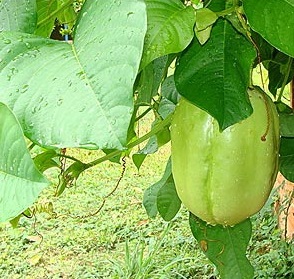
Giant Granadilla is one of the most spectacular edible passionflowers in the world, producing enormous tropical fruits and breathtakingly intricate flowers. Native to tropical America, this vigorous climbing vine is famous for its large fragrant blooms, lush foliage, and impressive green fruits that may grow far larger than ordinary passion fruits.
As its name suggests, Giant Granadilla is the largest-fruited member of the passionfruit group commonly grown for edible fruit. The vine is highly ornamental and especially attractive when trained over sturdy arbors, pergolas, fences, or trellises where the large hanging fruits and exotic flowers can be fully appreciated.
Plant Characteristics- Botanical Name: Passiflora quadrangularis
- Common Names: Giant Granadilla, Giant Passion Fruit, Barbadine, Badea
- Plant Type: Tropical evergreen fruiting vine
- USDA Zones: 10-11
- Height: 25-50 feet or more with support
- Spread: Variable depending on trellis or support
- Sun Requirements: Full sun to partial shade
- Flower Color: White, lavender, purple, pink, and red tones
- Bloom Time: Warm season
- Fruit Color: Green ripening to yellow-green
The large oval fruits may reach impressive size and contain aromatic pulp surrounding edible seeds. The pulp has a sweet-tart tropical flavor, while the thick white rind is also used in some traditional recipes when cooked.
- Fresh fruit pulp
- Juices and tropical drinks
- Smoothies
- Desserts
- Jams and preserves
- Fruit sauces
- Cooked rind preparations
- Specialty tropical recipes
In many tropical regions, the pulp is enjoyed fresh or blended into beverages, while the thick rind may be cooked like a vegetable or candied.
Important NoteGiant Granadilla requires a strong support structure. The vine is vigorous and the fruits can become quite heavy, so lightweight trellises may not be sufficient. Sturdy arbors, pergolas, fence lines, or reinforced trellises are recommended.
Germination Instructions- Remove seeds from ripe fruit and wash away the pulp.
- Soak seeds in warm water for 24-48 hours.
- Sow seeds approximately 1/4 inch deep in a well-drained seed-starting mix.
- Maintain temperatures between 75-85°F.
- Keep soil evenly moist but not soggy.
- Provide bright light and warm conditions.
- Germination may occur in 2-8 weeks, though some seeds may take longer.
- Transplant seedlings carefully once they are large enough to handle.
Giant Granadilla thrives in warm, humid climates with fertile, well-drained soil. The vine grows rapidly and benefits from regular watering, rich soil, and ample support. In tropical climates, plants may flower and fruit over a long season.
Because of its vigorous growth, pruning is useful for shaping the vine, encouraging new growth, and keeping it productive. Full sun encourages flowering and fruiting, though partial afternoon shade may be helpful in extremely hot climates.
Plants are sensitive to frost and should be protected from cold temperatures.
Container GrowingGiant Granadilla can be grown in very large containers, especially where winter protection is needed.
- Use a large container of at least 20-30 gallons.
- Provide a heavy-duty trellis or support.
- Use fertile, well-drained potting soil.
- Water regularly during active growth.
- Feed during the growing season to support vigorous vines.
- Prune to maintain size and shape.
- Protect from frost and cold winds.
Container culture is possible, but the vine is naturally large and performs best when given generous space and strong support.
Pollinator ValueThe dramatic flowers attract bees, butterflies, carpenter bees, and other beneficial pollinators. The large, fragrant blooms are among the most beautiful of all passionflowers and can become a centerpiece in pollinator gardens.
In some areas, hand pollination may improve fruit set, especially where natural pollinators are limited.
Wildlife ValueThe dense vines provide shelter for birds and beneficial insects. Passionflower vines may also serve as host plants for certain butterfly species, adding additional wildlife value to the garden.
Historical and Cultural SignificanceGiant Granadilla has long been cultivated in tropical America and the Caribbean for its impressive fruits and ornamental flowers. Known in some regions as Barbadine or Badea, it became an important garden fruit in warm climates where its large fruits were used fresh, juiced, cooked, or preserved.
Its striking flowers attracted the attention of early botanists and plant collectors, helping passionflowers become some of the most admired tropical vines introduced to European gardens.
Interesting Botanical Facts- Giant Granadilla produces some of the largest fruits in the passionflower genus.
- The species name quadrangularis refers to the vine's distinctive four-angled stems.
- The thick rind can be cooked or candied in some traditional cuisines.
- The flowers are large, fragrant, and highly ornamental.
- The vine climbs using coiling tendrils that wrap around supports.
Giant Granadilla is the showpiece of the edible passionflowers. Everything about it is dramatic—the vigorous vines, the ornate flowers, and the huge hanging fruits. Customers who already know common Passion Fruit are often amazed to discover a relative capable of producing fruits large enough to look almost melon-like. For gardeners in warm climates, or collectors with greenhouse space, Giant Granadilla offers a rare combination of tropical beauty, edible fruit, fragrance, and botanical curiosity.
For additional growing information, see our Giant Granadilla Passionfruit Seeds AI fact sheet.
For over a thousand more unique seed varieties, all in stock and ready to ship, visit our Seed Catalog Index Page .

Contact Us | Privacy Policy | About Us
Serving gardeners since 1992
State of Mississippi Seedmen's Permit #C-391, Ohio 90152, Minnesota 20086777