
Graffiti Lavender Pink Pentas Seeds
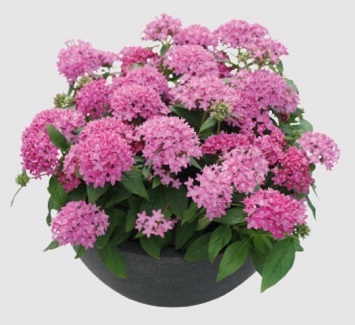
Graffiti Lavender Pink Pentas is a compact, free-flowering variety that produces abundant clusters of soft lavender-pink star-shaped blooms throughout the warm growing season. Part of the highly regarded Graffiti series, this selection combines excellent branching, compact growth, and exceptional flowering performance with one of the most attractive pastel flower colors available in pentas. The delicate lavender-pink blooms create a soothing, elegant display while providing a valuable nectar source for butterflies, bees, and hummingbirds.
The plants quickly develop into dense, well-branched mounds covered with flower clusters from late spring until frost. Their long bloom period, heat tolerance, and pollinator appeal make them ideal for containers, borders, butterfly gardens, and mixed annual plantings.
Garden Uses
Graffiti Lavender Pink Pentas is excellent for containers, patio planters, hanging baskets, borders, butterfly gardens, edging, and mass plantings. The soft lavender-pink flowers blend beautifully with white alyssum, blue lobelia, purple salvia, angelonia, dusty miller, lantana, and ornamental grasses. The compact growth habit makes it especially valuable for smaller gardens and decorative container displays.
This variety works particularly well in cottage-style gardens and pollinator plantings where its pastel color adds a gentle, refined touch. It also serves as an excellent filler plant in mixed containers, providing months of dependable bloom.
Growing Information
Start seeds indoors 8 to 10 weeks before the last expected frost. Maintain temperatures between 70 and 80 degrees F for best germination results. Provide bright light after seedlings emerge and keep the growing medium moderately moist but never saturated.
Transplant outdoors after all danger of frost has passed and warm weather has arrived. Plant in full sun for maximum flowering, although light afternoon shade is tolerated in very hot climates. Pentas prefer fertile, well-drained soil and benefit from regular watering during extended dry periods.
Deadheading is generally unnecessary, as the plants naturally continue producing fresh flower clusters. Occasional feeding during the growing season helps maintain vigorous growth and nonstop bloom production.
Quick Facts
- Botanical Name: Pentas lanceolata
- Common Name: Graffiti Lavender Pink Pentas, Egyptian Star Cluster
- Plant Type: Tender perennial grown as an annual
- Height: 10 to 14 inches
- Spread: 12 to 16 inches
- Bloom Color: Soft lavender-pink
- Bloom Season: Late spring until frost
- Sun Requirements: Full sun to light shade
- Soil Type: Fertile, well-drained soil
- Water Needs: Moderate
- Best Use: Containers, borders, butterfly gardens, patio displays
- Pollinator Friendly: Excellent
- Good for Containers: Outstanding
- Heat Tolerance: Excellent
For over a thousand more unique seed varieties, all in stock and ready to ship, visit our Seed Catalog Index Page .

Contact Us | Privacy Policy | About Us
Serving gardeners since 1992
State of Mississippi Seedmen's Permit #C-391, Ohio 90152, Minnesota 20086777