
Dwarf Siberian Pine Seeds
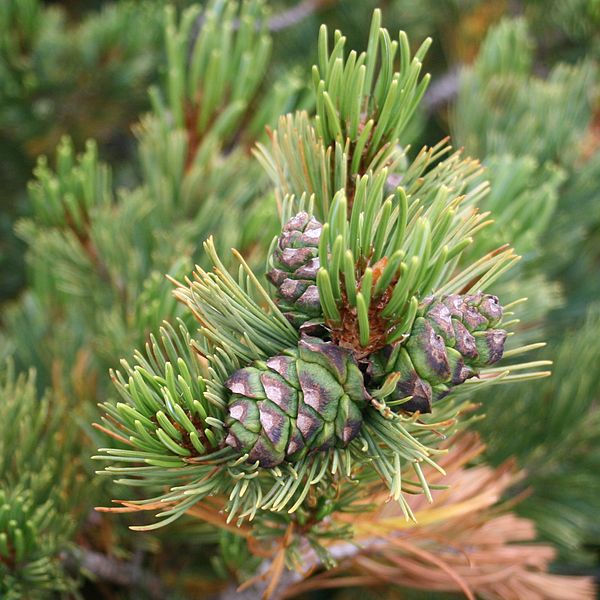
Dwarf Siberian Pine (Pinus pumila) is one of the toughest and most cold-hardy conifers in the world. Native to the harsh mountain slopes, tundra regions, and volcanic landscapes of Siberia, northern Japan, Korea, and far eastern Russia, this remarkable evergreen has evolved to withstand some of the most severe weather conditions found anywhere on Earth. Despite its rugged nature, it forms an attractive, dense, low-growing mound of soft blue-green needles that makes an outstanding ornamental plant for rock gardens, alpine landscapes, and foundation plantings.
Unlike towering forest pines, Dwarf Siberian Pine typically grows as a broad, spreading shrub with multiple stems and gracefully layered branches. Its compact form, attractive foliage, and exceptional hardiness have made it a prized specimen among conifer collectors and gardeners seeking unique evergreen plants.
⭐⭐⭐⭐⭐ Landscape Shrub Rating: 5 out of 5 Stars ⭐⭐⭐⭐⭐ Cold Hardiness Rating: 5 out of 5 Stars Plant Characteristics- Botanical Name: Pinus pumila
- Common Names: Dwarf Siberian Pine, Siberian Dwarf Pine, Japanese Stone Pine
- Plant Type: Evergreen Conifer Shrub
- Mature Height: 3 to 10 feet
- Mature Spread: 6 to 15 feet
- Growth Rate: Slow to Moderate
- Sun Exposure: Full Sun
- USDA Zones: 1-7
Dwarf Siberian Pine is ideal for smaller landscapes where a low-growing evergreen is desired. Its naturally compact habit requires little maintenance.
- Rock gardens
- Alpine gardens
- Foundation plantings
- Conifer collections
- Slope stabilization
- Japanese gardens
- Cold-climate landscapes
- Specimen shrub
This species thrives in regions where many ornamental plants struggle. It performs exceptionally well in cold climates and is highly resistant to winter damage, wind, snow, and ice.
Germination InformationDwarf Siberian Pine seeds require cold stratification before planting.
- Soak seeds in water for 24 hours.
- Cold stratify for 60 to 90 days at 34-40°F.
- Sow approximately ½ inch deep.
- Maintain even moisture.
- Provide temperatures of 60-70°F after planting.
- Germination typically occurs within several weeks.
Dwarf Siberian Pine prefers well-drained soils and full sun. It is highly adaptable to poor soils and harsh weather conditions once established.
- Excellent cold hardiness
- Tolerates poor soils
- Wind resistant
- Snow tolerant
- Low maintenance
Avoid overly wet soils, particularly during winter months, as good drainage is important for long-term health.
Container GrowingIts naturally compact size makes Dwarf Siberian Pine one of the better pine species for long-term container culture. Large decorative containers, alpine troughs, and conifer displays are excellent uses for this species.
Pollinator ValueLike other pine species, Dwarf Siberian Pine is wind pollinated. While it does not provide nectar, it contributes to habitat diversity and supports a variety of beneficial organisms.
Wildlife BenefitsThe seeds and dense branches provide valuable resources for wildlife.
- Food source for birds
- Shelter for small mammals
- Winter cover for wildlife
- Nesting habitat
- Supports alpine ecosystems
Dwarf Siberian Pine plays a vital role in northern ecosystems throughout Asia. In many regions, it forms extensive colonies that protect mountain soils from erosion and provide food for birds, bears, and small mammals.
The edible seeds have been harvested by indigenous peoples for centuries and remain an important traditional food source in some regions.
Botanical Facts- Among the most cold-hardy pine species in the world.
- Needles occur in bundles of five.
- Produces edible pine nuts.
- Often forms broad colonies in alpine regions.
- Native to some of the harshest climates on Earth.
The seeds are edible and similar to other pine nuts, though generally smaller than those produced by Korean Pine. Wildlife highly values the nutritious seeds.
Seedman Growing TipProvide full sun and excellent drainage. This species performs particularly well in raised beds, rock gardens, and areas where winter snow accumulates naturally.
Seedman NoteDwarf Siberian Pine offers a unique combination of rugged durability and refined beauty. Its soft blue-green foliage, compact growth habit, and extreme cold tolerance make it one of the finest evergreen shrubs available for northern landscapes. Whether planted in a rock garden, alpine setting, or conifer collection, Pinus pumila delivers year-round beauty with minimal maintenance.
Historical Seedman Fact: In parts of Siberia and Kamchatka, vast colonies of Dwarf Siberian Pine help stabilize mountain slopes and provide a critical food source for wildlife, including bears that feast on the nutritious pine nuts before winter hibernation.
For over a thousand more unique seed varieties, all in stock and ready to ship, visit our Seed Catalog Index Page .

Contact Us | Privacy Policy | About Us
Serving gardeners since 1992
State of Mississippi Seedmen's Permit #C-391, Ohio 90152, Minnesota 20086777