
Pink Evening Primrose Seeds
★★★★★ Wildflower & Groundcover Rating: 5 out of 5 Stars
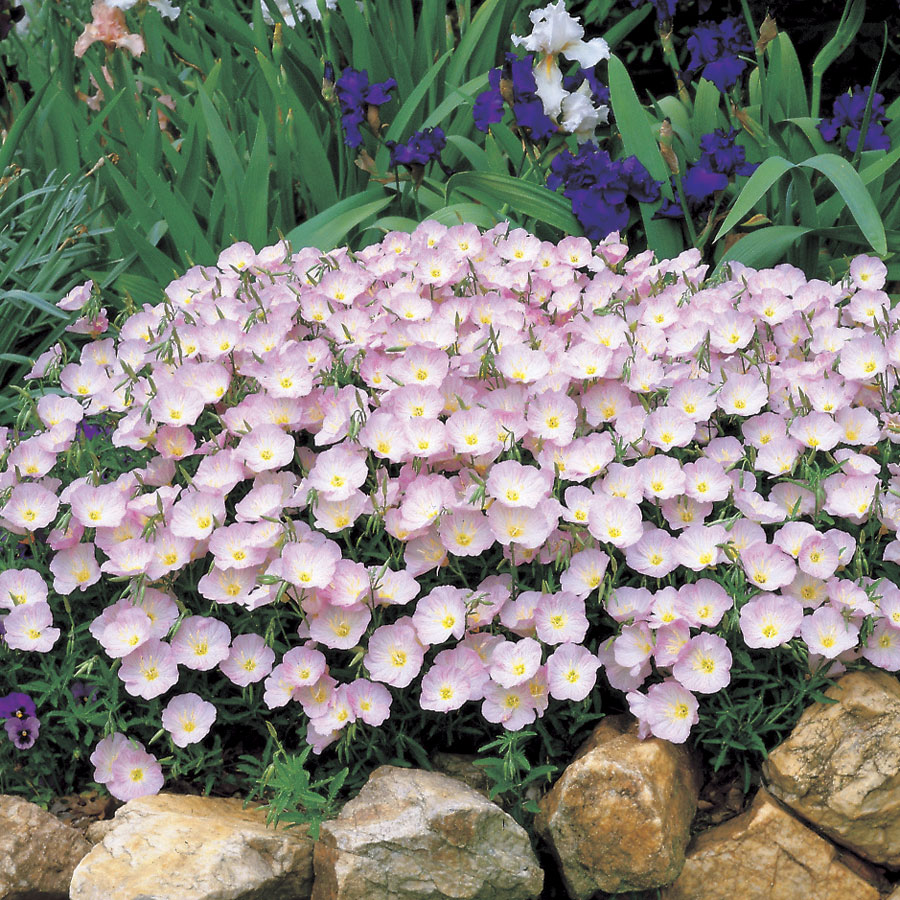
Pink Evening Primrose is one of the most beloved native wildflowers of the American Southwest and Great Plains. This charming perennial produces masses of delicate satiny pink blossoms that seem to float above the foliage like miniature butterflies. During peak bloom, entire patches can become covered in flowers, creating a breathtaking display of soft pink color across meadows, roadsides, cottage gardens, and naturalized landscapes.
Easy to grow and remarkably adaptable, Pink Evening Primrose spreads gently to form attractive colonies, making it an excellent choice for pollinator gardens, wildflower plantings, and low-maintenance landscapes. Its long flowering season and ability to thrive under challenging conditions have made it a favorite among gardeners throughout North America.
Plant Characteristics- Botanical Name: Oenothera speciosa 'Rosea'
- Common Names: Pink Evening Primrose, Showy Evening Primrose, Mexican Evening Primrose, Pink Ladies
- Plant Type: Perennial wildflower
- Mature Height: 8 to 18 inches
- Mature Spread: 12 to 36 inches
- Growth Rate: Fast
- USDA Zones: 4 to 9
- Flower Color: Soft pink with yellow centers
- Foliage: Green, slightly lobed leaves
Pink Evening Primrose is ideal for wildflower meadows, pollinator gardens, cottage gardens, rock gardens, prairie plantings, roadside plantings, naturalized areas, and flowering groundcovers.
Its spreading habit makes it especially useful for filling open spaces with seasonal color while helping suppress weeds.
Germination InformationSeeds are easy to germinate and often establish quickly.
- Sow seeds directly outdoors or start indoors.
- Lightly press seeds into the soil surface.
- Do not deeply cover the seed.
- Maintain temperatures between 65 and 75°F.
- Keep soil lightly moist.
- Germination usually occurs within 1 to 3 weeks.
Pink Evening Primrose thrives in full sun but will tolerate light shade. It adapts well to sandy, rocky, clay, and average garden soils provided drainage is adequate.
Once established, it is highly drought tolerant and requires little maintenance. The plant spreads by underground runners, allowing it to form attractive flowering colonies over time.
Periodic thinning may be desirable in smaller garden settings where space is limited.
Container GrowingPink Evening Primrose performs well in large containers, raised beds, and decorative planters. Its cascading growth habit can create a lovely display when planted near container edges.
Use a well-drained potting mix and provide regular watering during establishment.
Pollinator ValueThe nectar-rich flowers attract bees, butterflies, moths, and numerous beneficial pollinating insects. Evening primroses are especially valuable because they provide nectar during periods when other wildflowers may be less active.
Night-flying moths are particularly attracted to the blossoms.
Wildlife ValueThe flowers support pollinators, while the seeds provide food for various birds and small wildlife. Native insects utilize the plant throughout the growing season.
The spreading foliage also offers shelter for beneficial insects and ground-dwelling creatures.
Historical and Cultural FactsPink Evening Primrose is native to much of the southern and central United States and has been admired for centuries for its beauty and adaptability.
Native American tribes utilized various species of evening primrose for food and traditional purposes.
Today it remains one of the most widely planted native wildflowers in prairie restoration and pollinator conservation projects.
Botanical Facts- Member of the Onagraceae (Evening Primrose) family.
- Flowers often open wide during cooler morning and evening hours.
- Can bloom for months under favorable conditions.
- Produces colonies through underground rhizomes.
- Excellent drought tolerance once established.
- One of the easiest native wildflowers to grow.
Few wildflowers create such an effortless display of color as Pink Evening Primrose. Its clouds of pink blossoms bring softness and charm to the garden while requiring remarkably little care.
Additional Seedman's NoteIf you enjoy native plants, pollinator gardening, or naturalized landscapes, Pink Evening Primrose is an excellent choice. Its beauty, durability, and long flowering season make it one of the finest perennial wildflowers available for home gardens.
For more planting details, see our AI fact sheet for this variety.
For over a thousand more unique seed varieties, all in stock and ready to ship, visit our Seed Catalog Index Page .

Contact Us | Privacy Policy | About Us
Serving gardeners since 1992
State of Mississippi Seedmen's Permit #C-391, Ohio 90152, Minnesota 20086777